Brazilian Senator Flávio Bolsonaro attributed responsibility for new U.S. tariffs on Brazil to President Luiz Inácio Lula da Silva on Tuesday, following an announcement by the U.S. Trade Representative's office that concluded a commercial investigation into Brazilian trade practices.
The Office of the United States Trade Representative announced it would impose a 25% tariff on Brazilian goods. The investigation, which began in 2025, examined practices the U.S. said "burden or restrict" American commerce, citing concerns about Brazil's PIX electronic payment system, illegal deforestation, and intellectual property practices.
Flávio Bolsonaro, a pre-candidate for the presidency, stated the tariff resulted from Lula's "aggressive tone" with the United States. He called for unity among right-wing presidential candidates, including former governors Ronaldo Caiado of the União party and Romeu Zema of the Novo party, to remove Brazil from what he described as the PT's control.
The three candidates attacked Lula over the U.S. measure. Flávio Bolsonaro noted that the Section 301 investigation encompassed more than 60 countries and began well before his visit to the United States in November 2025.
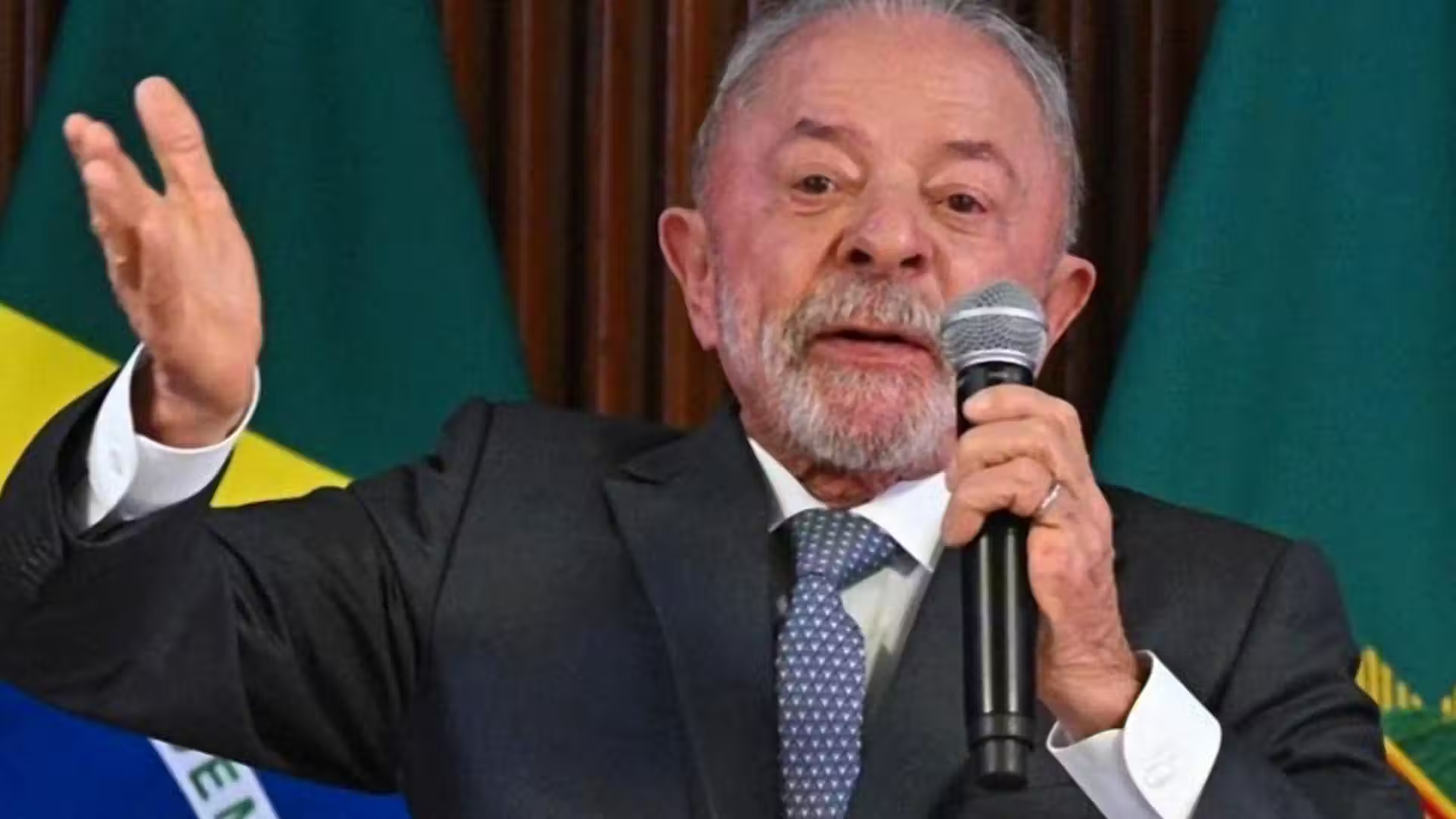
President Lula responded by accusing the Bolsonaro family of acting as "traitors to the nation." He alleged they had lobbied the U.S. government to impose the tariffs and take action against Brazil's PIX system. Lula's accusation stemmed from a trip made by Flávio Bolsonaro and his brother, Representative Eduardo Bolsonaro, to Washington in late May to meet with President Donald Trump and senior administration officials.
Days after those meetings, the U.S. government announced it would designate two major Brazilian criminal organizations—Primeiro Comando da Capital, or PCC, and Comando Vermelho, or CV—as terrorist organizations.
The tariff announcement generated significant online discussion. A data analysis by consultancy Ativaweb DataLab recorded 8.6 million mentions of the topic between 8 a.m. and 1 p.m. on Tuesday, the hours immediately following the USTR announcement. Government-aligned social media profiles sought to link Flávio Bolsonaro to the tariff threat, while Bolsonaro allies worked to refute the connection throughout the day.