China has signaled its resolve to continue its escalating trade dispute with the United States, vowing to "fight to the end" if necessary, while simultaneously keeping the door open for dialogue. The commitment was articulated by a representative of the Ministry of Commerce on Tuesday, amidst a backdrop of new reciprocal measures between the two economic giants.
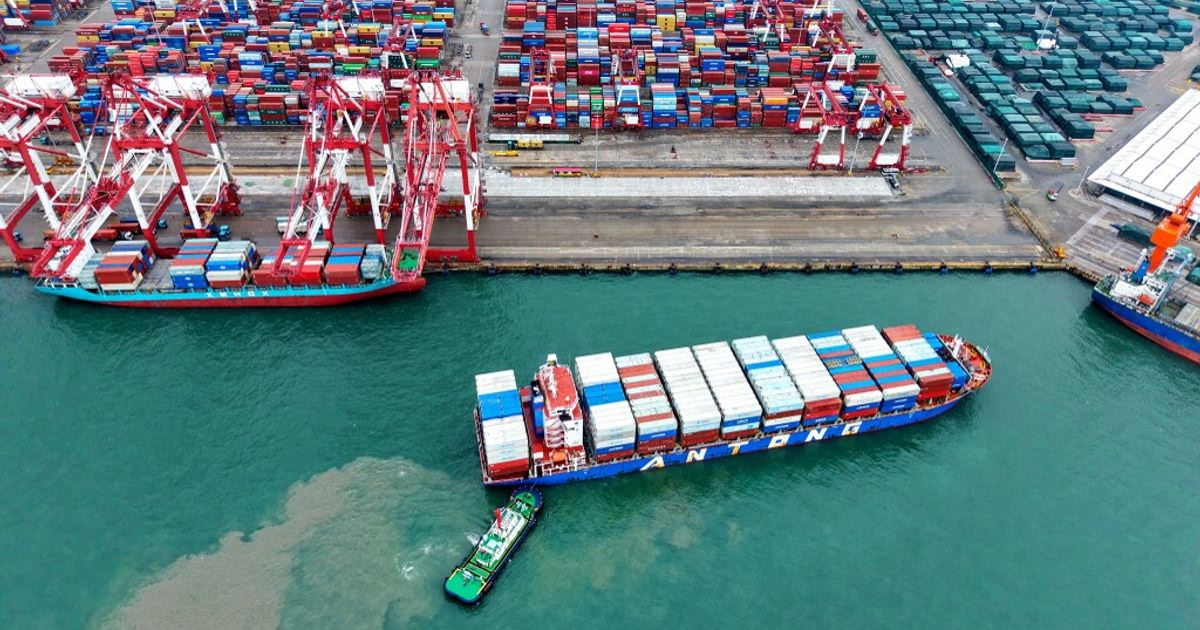
Beijing's strong stance comes in direct response to new port fees levied by the United States on Chinese vessels. These American charges, effective from Tuesday, followed an investigation into China's maritime, logistics, and shipbuilding sectors. In retaliation, China has also begun imposing new fees on American ships entering its ports.
Further deepening the conflict, China announced it is activating its anti-foreign sanctions law against five South Korean Hanwha Ocean subsidiaries that have ties to the United States. According to the Ministry of Commerce, these five affiliates are accused of "assisting and supporting the US government's investigations, endangering the sovereignty, security, and development interests [of China]."
Under the newly imposed sanctions, Chinese organizations and individuals are prohibited from engaging in any transactions, cooperation, or activities with these sanctioned entities. The Chinese government has also initiated its own investigation into these companies. Hanwha's stock experienced a decline of over 5% following the announcement.
A Chinese Ministry of Commerce spokesperson characterized the US measures as "typically unilateral and protectionist, and seriously violate WTO rules and the principle of equality and reciprocity enshrined in the Maritime Transport Agreement between China and the United States." Beijing asserts that Washington has failed to uphold previous agreements reached after multiple negotiation rounds, which had appeared to de-escalate tensions since May. China has urged the US to "correct its mistakes" and "resolve matters of mutual interest through dialogue and consultation on an equal footing."
The affected South Korean company, Hanwha, is part of US efforts to revitalize its shipbuilding sector in collaboration with South Korea. This initiative was a key component of a tariff agreement between Washington and Seoul, aiming to establish new shipyards in the US, train personnel for shipbuilding, and support the maintenance of US Navy vessels.
This latest exchange follows a week of heightened trade friction, during which Beijing announced new restrictions on rare earth exports and certain lithium battery components. In response, US President Donald Trump had threatened to impose additional 100% tariffs on China starting November 1 and potentially cancel a planned meeting with his Chinese counterpart, Xi Jinping.
Despite the rising tensions, US Treasury Secretary Scott Bessent indicated that channels of communication with Beijing remain open, though he acknowledged the gravity of the situation. Speaking on Fox News, Bessent described the situation as "China versus the rest of the world" in relation to China's new export control mechanism for rare earths. He noted that "substantive communication" with Beijing had occurred over the weekend and expressed optimism that the planned meeting between the presidents would proceed, as the new US tariffs are not slated to take effect until after the scheduled encounter.
Meetings between delegations from both countries are expected during the annual IMF and World Bank meetings in Washington this week. Bessent affirmed that the US is prepared to respond with aggressive retaliation if necessary, stating that "everything is on the table."