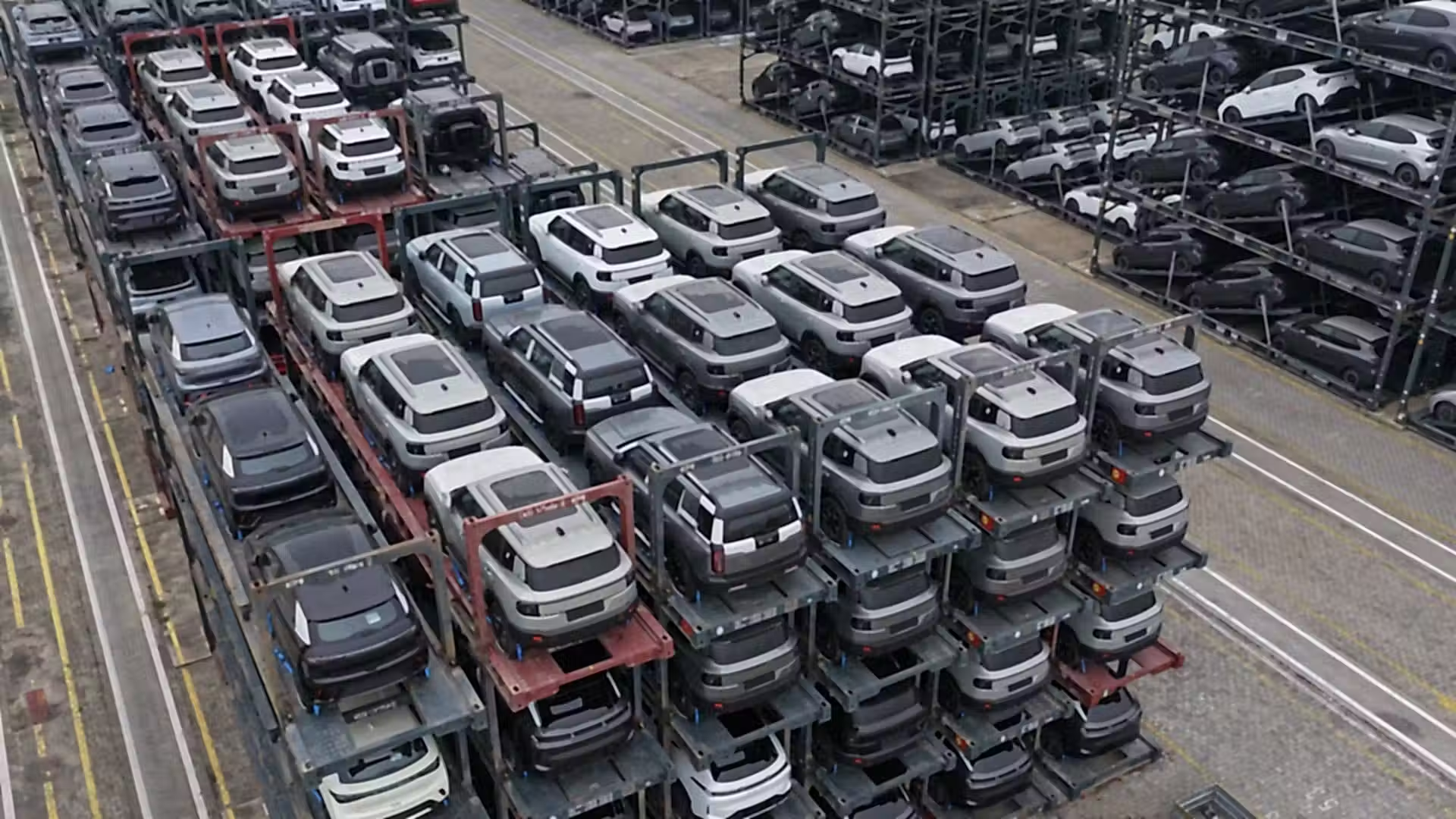
The European Union will limit annual imports of Chinese hybrid and plug-in hybrid vehicles to 350,000 units, an EU official announced Monday in Brussels. The measure is expected to take effect December 1 and represents a reduction of more than half from current import levels.
The agreement follows two days of intensive negotiations in Beijing last week between EU Trade Commissioner Maros Sefcovic and Chinese Trade Minister Wang Wentao. EU officials estimate that Chinese hybrid vehicle imports could reach approximately 800,000 units in 2026 without the restriction.
Under the accord, the 350,000-unit cap will apply during the first year, then increase by 6 percent annually for the remaining three years of the four-year agreement. Both parties have committed to respecting World Trade Organization rules throughout the period.
The cap applies to all hybrid and plug-in hybrid vehicle imports, not solely those from China, to comply with WTO non-discrimination principles. China's quota will not be lower than that assigned to any other import source. European customs authorities will block hybrid vehicles from China once the annual quota is reached.
Chinese hybrid vehicles have become one of the primary channels through which Chinese manufacturers penetrate the European market. The EU imposed special tariffs on Chinese electric vehicles in 2024, citing unfair state subsidies. Chinese producers subsequently increased exports of plug-in hybrids to Europe, circumventing those tariffs.
The EU has expressed concern that cheaper Chinese vehicles could displace European manufacturers from the market and threaten employment in the automotive sector. Chinese hybrid vehicles currently account for approximately 6 percent of the European market share, a figure the EU aims to reduce to 3 percent through this agreement.
The accord also includes Chinese commitments to reduce tariffs on approximately 4 billion euros worth of European goods, including automotive parts, shoes, olive oil, and ice cream, over the four-year period. These tariff reductions are expected to save European companies over 200 million euros annually.
China indicated Monday that it could export at least 302,000 hybrid vehicles annually to the EU under the agreement, based on 2025 sales levels. The Chinese government stated that the accord would ensure "room for exports and stable development" for Chinese companies while both sides seek to reduce the risk of a trade war.