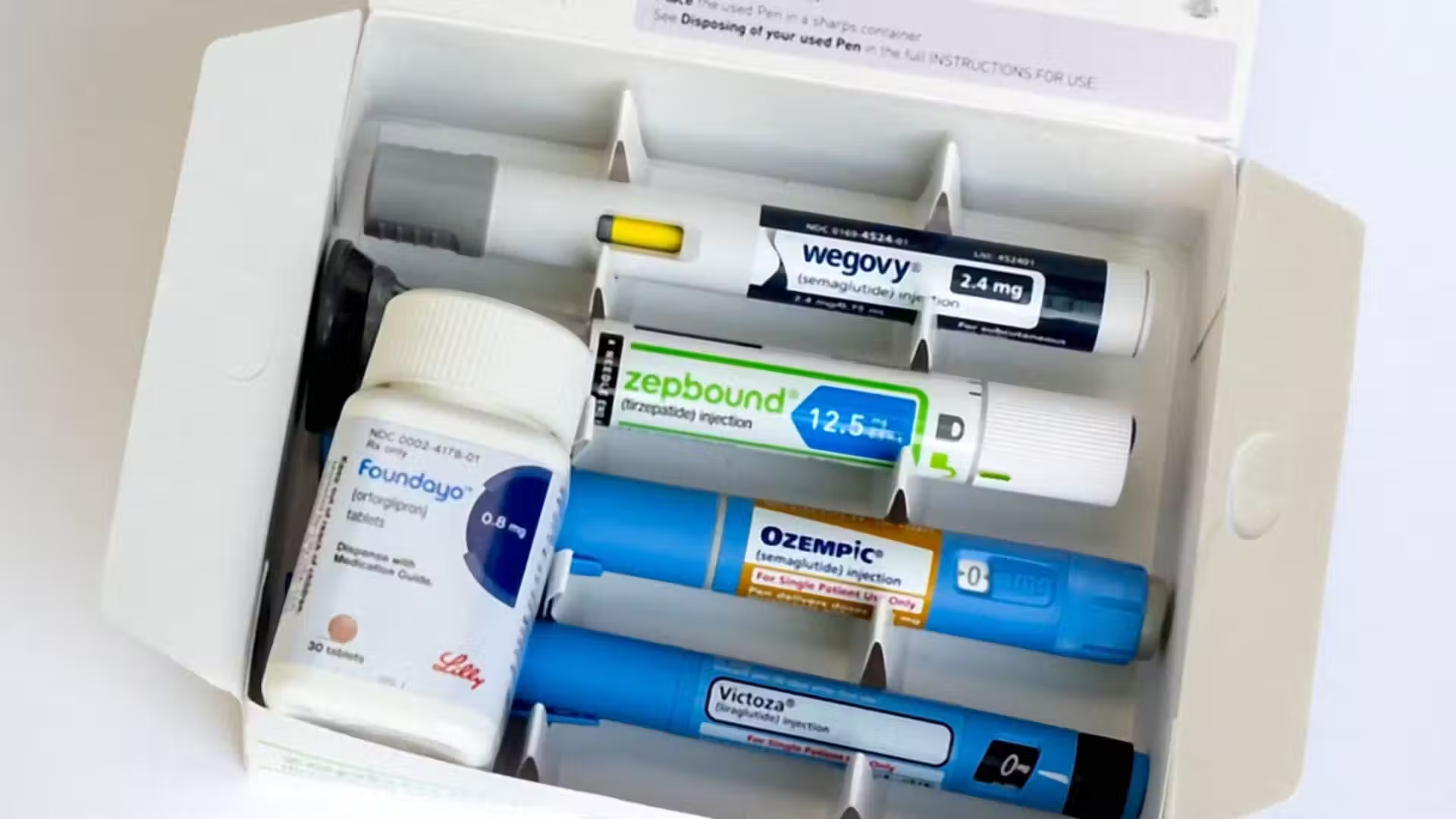
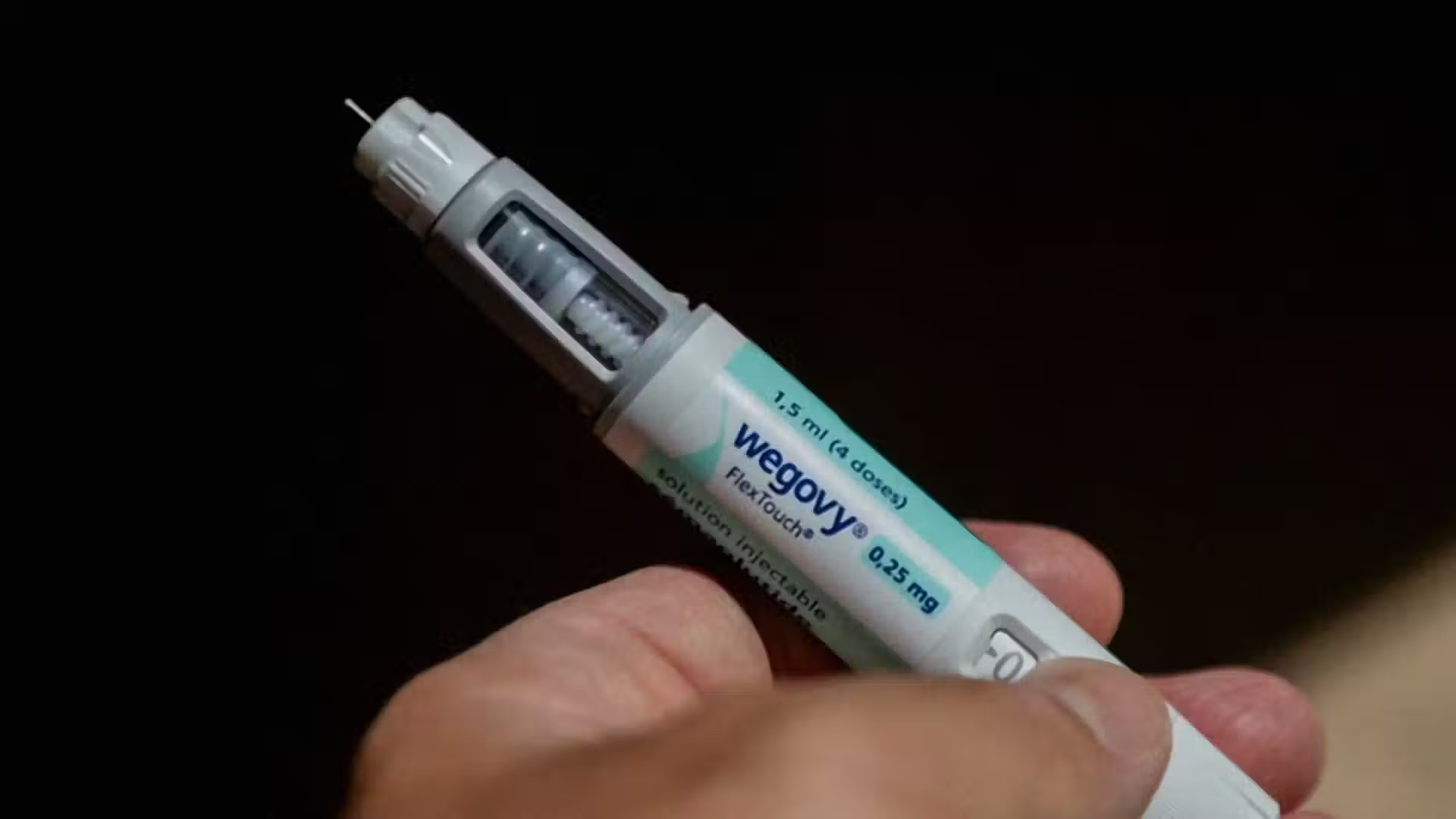
Novo Nordisk filed a lawsuit against Eli Lilly on Tuesday, alleging that the American drugmaker's advertising campaigns for its obesity and diabetes medications are designed to mislead consumers about their efficacy relative to Novo's rival injections.
The Danish pharmaceutical company, maker of Wegovy and Ozempic, filed the suit in U.S. District Court in New Jersey. Novo Nordisk claims that Eli Lilly's ads for Zepbound and Mounjaro cite what it called "outdated" clinical trial data to create a false impression of superiority over Novo's products.
According to the lawsuit, Eli Lilly's advertising campaigns compare the highest approved doses of its medicines with lower doses of Novo Nordisk's drugs, while omitting information about Novo's recently approved higher-dose versions. Novo Nordisk said the ads are "maliciously and deceptively false" because they knowingly use outdated clinical trials in these comparisons.
John Kuckelman, senior vice president and group general counsel for Novo Nordisk, said in a statement that the issue centers on "a nationwide pattern of deceptive advertising, where campaigns are misleading people with obesity and diabetes by comparing the highest doses of Lilly's medicines with the lower doses of Novo's medicines." He added that patients are left with "the misleading impression that Lilly's drugs are superior to Novo's."
Novo Nordisk requested that the court permanently stop Eli Lilly from running the advertisements and require the drugmaker to issue corrective advertising. The company said it made a formal request for Eli Lilly to withdraw the ads, which the competitor declined.
Eli Lilly responded to the allegations in a statement, saying it stands "firmly behind our advertising." The company stated that its ads are "truthful, it is transparent, and it is grounded in the most direct scientific evidence available — exactly what patients deserve." Eli Lilly said it will "continue to focus on the science and defend against this lawsuit vigorously."
Novo Nordisk developed semaglutide, the active ingredient in Wegovy and Ozempic, while Eli Lilly developed tirzepatida, found in Mounjaro and Zepbound. Although Zepbound outperformed Wegovy in a direct comparative study conducted last year, Novo Nordisk subsequently obtained approval for a higher dose of Wegovy than was used in that study.
The global market for obesity medications is projected to reach $120 billion, making it a significant area of competition between the two companies.