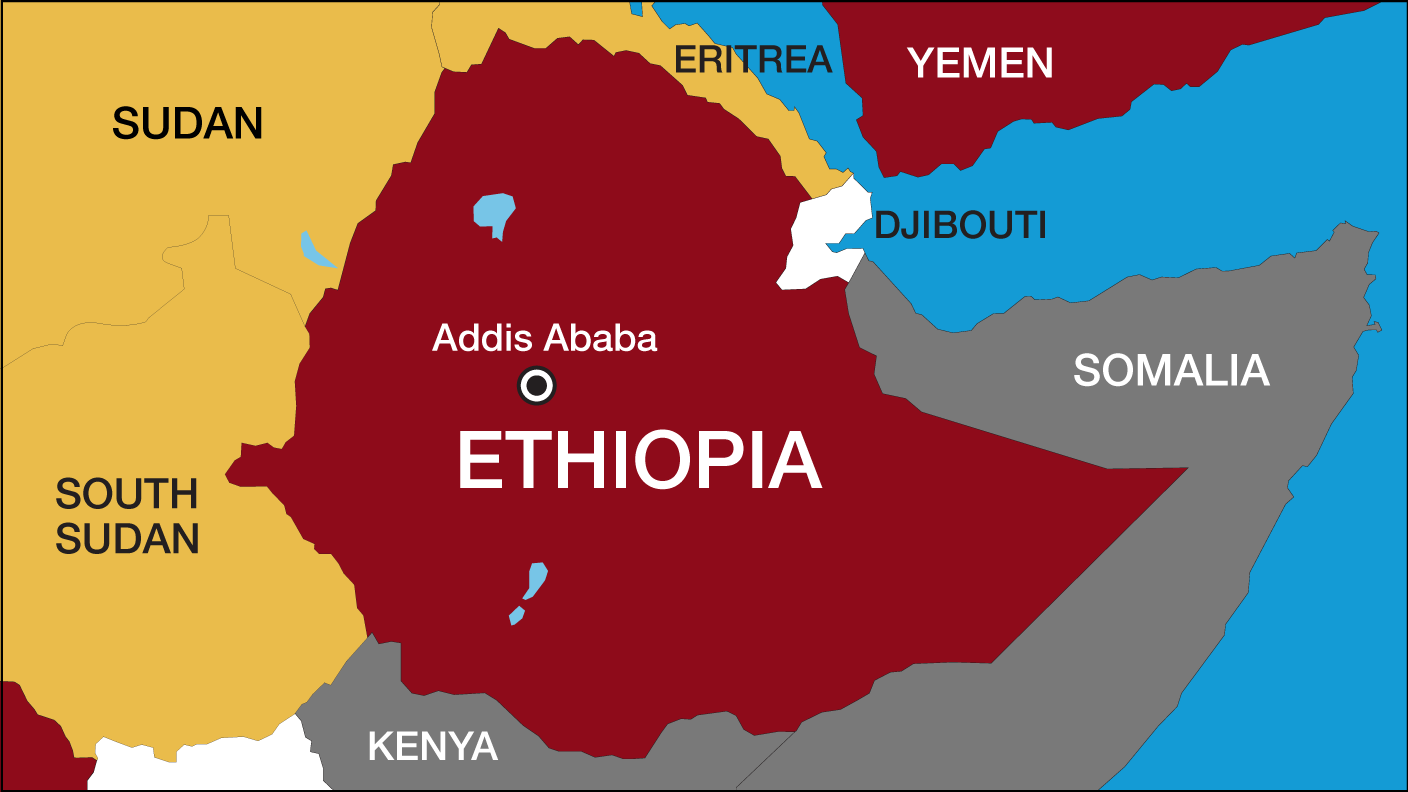
Nearly 700,000 people have been displaced by clashes between Somali and Oromo communities in southern Ethiopia that began in late October, according to Islamic Relief Ethiopia.
The fighting erupted October 22 near the border town of Moyale over territorial disputes and has spread up to 300 kilometers into surrounding districts, including Borana Zone in southern Oromia and the Dawa Zone in the Somali Region. Earlier clashes occurred October 18 before hostilities resumed November 16, causing destruction of homes, businesses and fuel stations.
Islamic Relief Ethiopia said approximately 329,000 people were displaced from the Dawa zone in the Somali region, while 359,798 had been registered as displaced in southern Oromia. The organization described the conflict as a volatile ethnic dispute over land and wealth, with vulnerable civilians bearing the highest cost.
More than 50,000 people have fled across the border into Kenya, adding pressure on local services and host communities in the border area. Healthcare services have been disrupted, and hundreds of thousands of displaced persons will need assistance before they can safely return home, Islamic Relief warned.
Clashes involving heavy weaponry have been reported in recent weeks, with fighting as recently as Monday. Regional borders set by Ethiopia's 1995 constitution have been a frequent source of conflict in the nation, Africa's second most populous country with an estimated population of 130 million.
The European Union pledged 550,000 euros in emergency aid to be channeled through UNHCR Kenya and the Kenya Red Cross Society for food, shelter, water and health services. Islamic Relief is preparing cash assistance, hygiene kits, community-based aid and psychosocial support for affected populations.
Mediation efforts involving local elders and federal authorities have stalled, leaving the prospect of a lasting ceasefire uncertain.