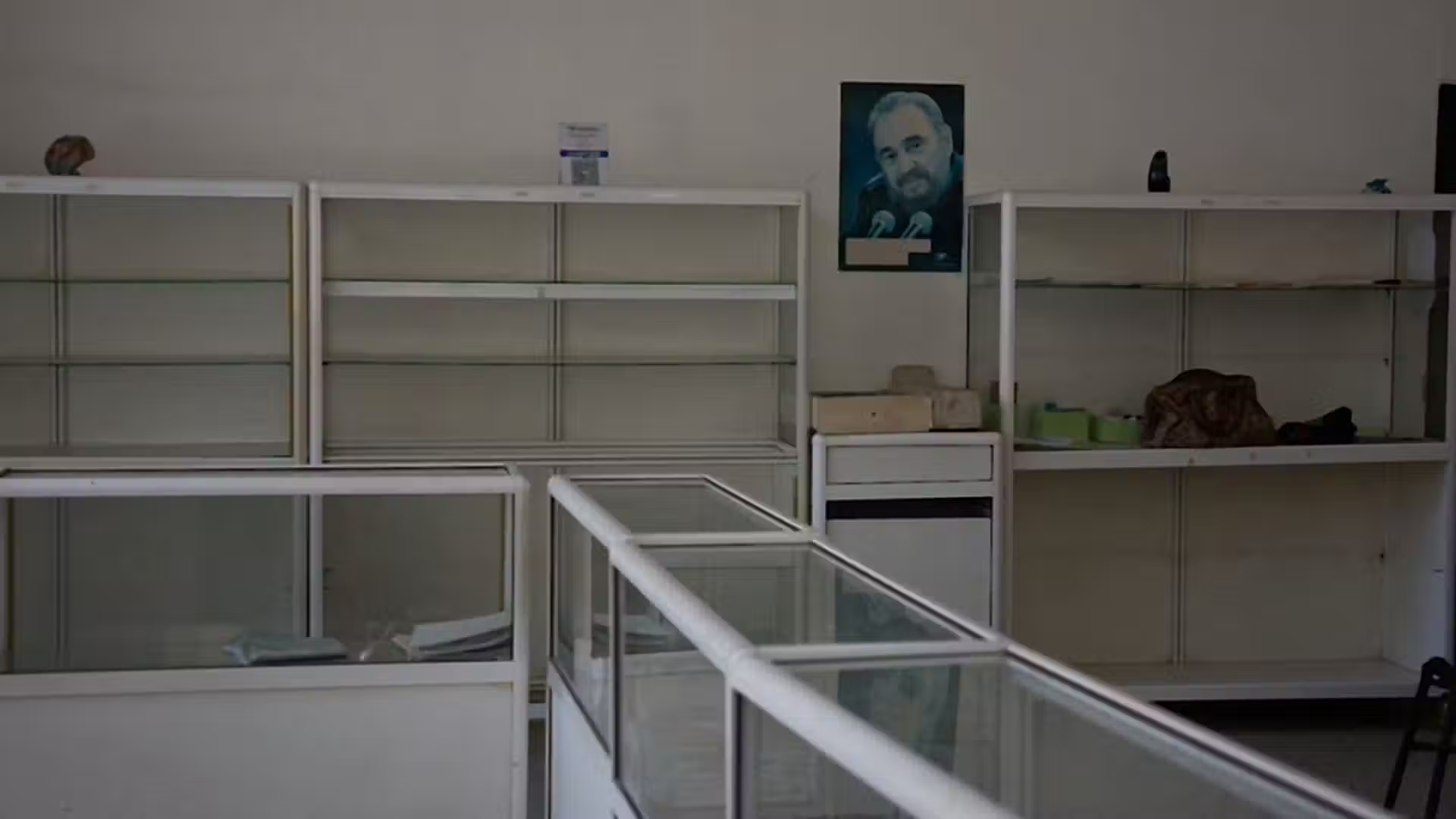
Every Thursday and Sunday at noon, dozens of people gather outside an apartment building in Havana's Vedado neighborhood. Laura Mendoza comes downstairs, checks their names against a list and hands out medicine they requested through WhatsApp. Antihistamines, diuretics, eye drops and antibiotics are among the drugs she distributes. She charges nothing.
Mendoza operates "Medicine Is Not for Sale," a community pharmacy that has become one of several informal solutions Cubans have adopted to obtain medications as shortages intensify. The antihistamine cetirizina, the diuretic furosemida, the ophthalmic timolol and the antibiotic gentamicina are among the drugs in her inventory.
Community pharmacies like Mendoza's have emerged as a lifeline for Cubans struggling to find increasingly scarce medications as the country's economic crisis deepens. The shortages have been compounded by U.S. energy and financial restrictions imposed since January.
Beyond community pharmacies, Cubans have turned to multiple alternative channels to access drugs. Online sellers, street vendors and WhatsApp and Telegram groups have stepped in to fill gaps left by state pharmacies, which for decades were the main source of subsidized medicines. Commercial platforms and internet-based offerings have also occupied the space previously held by state pharmaceutical distribution.
The medication shortage represents one of the most serious problems accompanying Cuba's current crisis. In response to the severity of the situation, Cuban authorities issued regulations in July allowing private pharmacies to operate, marking a historic change to the country's state-run health system.