Hackers are intensifying cyberattacks against U.S. ports and cargo ships, bombarding vital arteries of global commerce with thousands of attack attempts daily, targeting aging networks that enable international trade.
Attacks have surged sharply in recent months, with breaches targeting ports, oil tankers and major maritime transport companies. The increasingly sophisticated threats are carried out by cybercriminals and groups linked to hostile states, exposing vulnerabilities in obsolete networks.
At Corpus Christi port in Texas, the largest U.S. export point for crude oil totaling about 2.3 million barrels daily, executives say hackers probe their systems hundreds or thousands of times daily, attempting to penetrate networks and deceive employees into granting access. Attacks range from automated password-guessing attempts and network overloads to sophisticated intrusions aimed at stealing or deleting data.
Security experts associate countries including Iran, North Korea and China with invasion operations against maritime transport infrastructure. The cybersecurity firm Shieldworkz said the Russian group Noname057(16) threatened European operators in October, though such groups route operations through third countries. Last week, the FBI warned that hackers are using an AI tool called Artex to automate cyberattacks.
Corp Christi port CEO Kent Britton said attack attempts have surged to "hundreds, if not thousands" daily from states and organizations "known to be malicious" seeking high-visibility targets. Hackers probe the port's computer systems for weaknesses and send fraudulent messages impersonating senior executives to trick employees into granting access. "They keep testing our systems and trying to find vulnerabilities," Britton said. "With AI, this will only get more complicated."
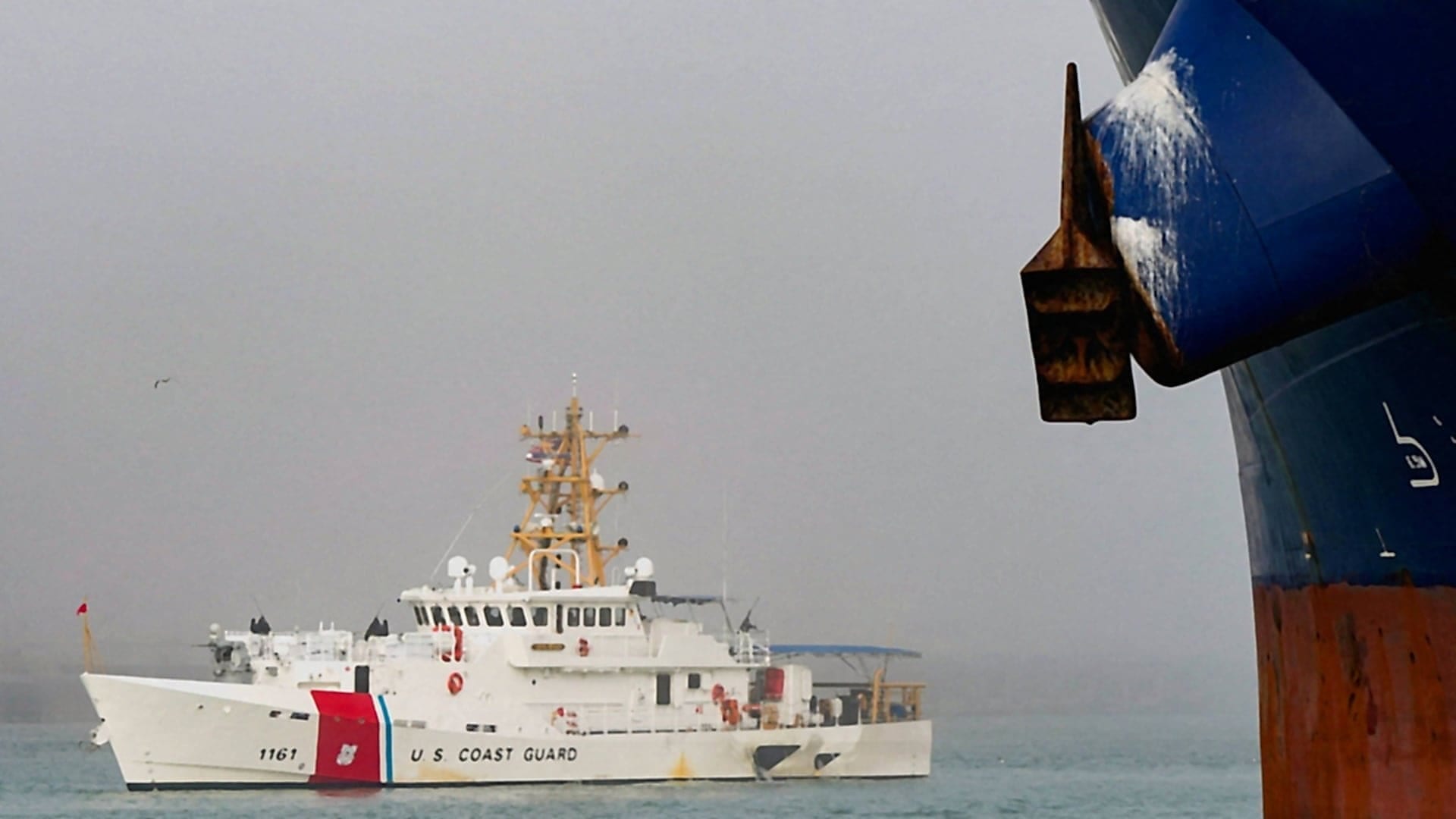
The U.S. Coast Guard recorded a 17 percent increase in maritime cyber incidents last year. In August, the Coast Guard and FBI investigated cyberattacks against two oil tankers bound for the country carrying crude oil and liquefied petroleum gas from the Mediterranean to Galveston, Texas, when hackers breached them near the Strait of Gibraltar. Investigators have not publicly identified suspects. Joint security inspections at sea on August 21 and 24 aimed to "ensure the integrity of the vessels' operational and information technology systems after evidence that both networks had been compromised."
If hackers breach ports, they could paralyze commerce, disrupt energy exports and endanger lives at sea. In August, North Carolina's port authority reported its IT systems suffered a cyberattack by an "external agent." Though contained within a day, gate openings were delayed and the port adopted manual processing. Los Angeles port said it blocked 120 million attack attempts in August, nearly double the 2023 monthly average, including automated attempts to breach networks, obtain passwords and install malware.
Maersk reported this month a breach in which hackers stole data but said operations were unaffected and the incident was not a ransomware attack.
Ports are taking steps to protect their waterways. Virginia port, a major hub for consumer goods, agricultural products and coal, said the threat of attacks is now "more acute due to the rise of AI." The port is investing heavily in its cybersecurity team, with employees participating in monthly training and simulations with the U.S. Coast Guard. Spokesman Joe Harris said the port has not yet suffered a successful breach but warned of potentially catastrophic consequences. "We are an economic chokepoint," he said. "Going offline is not an option."
Corpus Christi port, which had no dedicated cybersecurity staff four years ago, is about to hire a fourth person for the area. The port also has a police department of about 50 officers and a Coast Guard unit. It has "quite analog" contingency plans if an attack breaches its defenses, Britton said. Tugboats can escort ships through canal sections, while the harbor master can use radios, binoculars, paper records and hand signals to direct maritime traffic in an emergency.
New York and New Jersey port authority is also investing heavily in cyber defense. A spokesman said it has "multiple independent layers of protection" and "recovery plans with terminal operators and partners so critical operations can continue and cargo can keep moving." Other ports are reluctant to discuss threats they face or their defenses. Oakland port said it would not publicly discuss its "cybersecurity defenses or protective measures," citing national security concerns.
Britton said Corpus Christi is seeking additional assistance from Washington. "When you play defense, you have to get it right every time," he said. "When you plan an attack, you only have to get it right once."