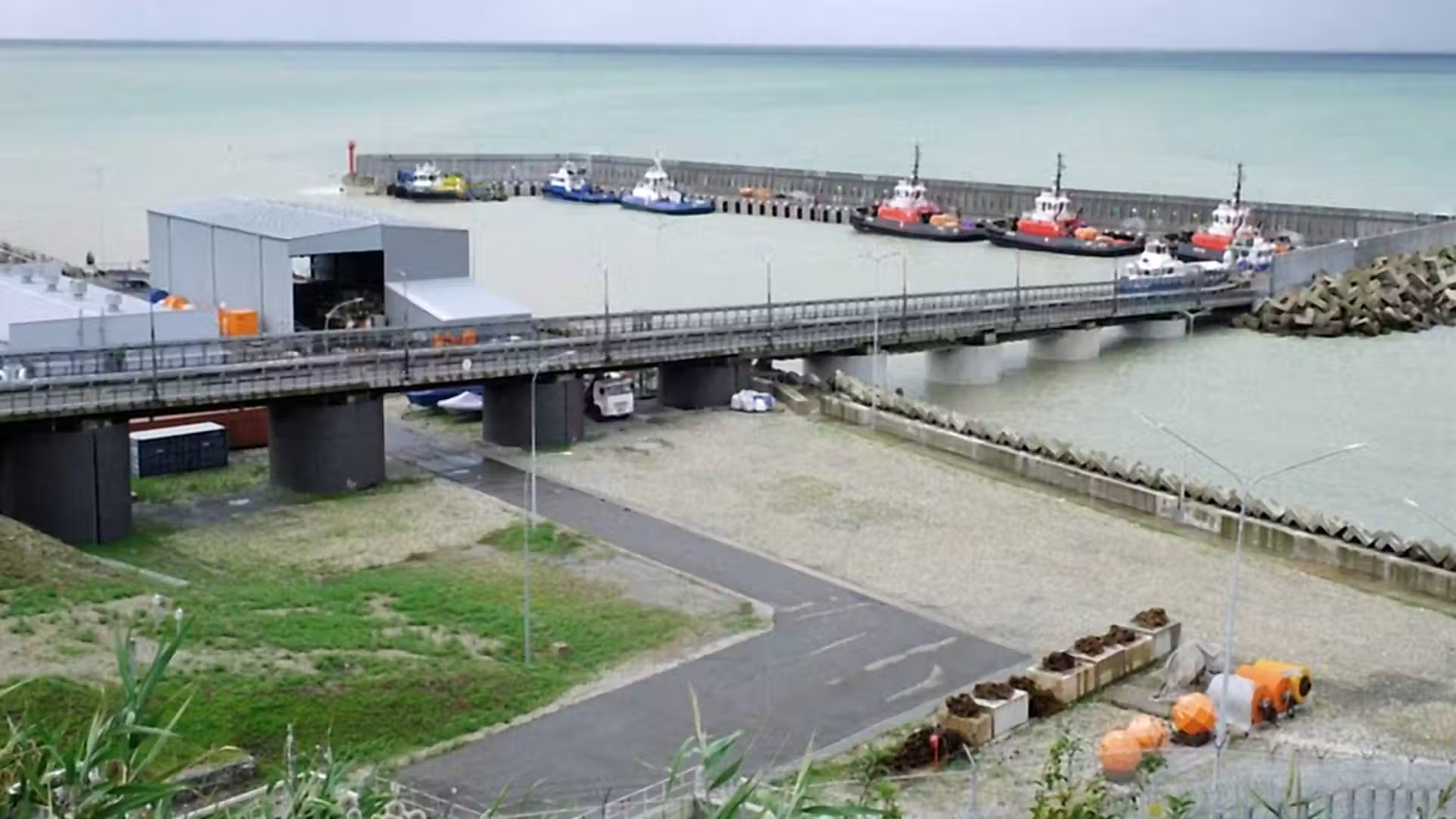
The Caspian Pipeline Consortium resumed receiving oil on Friday after a temporary suspension, according to Kazakhstan's Energy Ministry. The consortium is now accepting 100,000 tons of oil per day from shippers and filling its storage tanks.
The pipeline's infrastructure and tanker fleet faced repeated drone attacks in July. On Thursday, the consortium temporarily halted operations on the oil pipeline itself, though it continued to accept deliveries from suppliers during the suspension.
The ministry said further increases in transport volumes will depend on the timely arrival of tankers for loading at the marine terminal. Officials stated they remain in contact with shippers and the consortium's management regarding operations.
In a separate development affecting regional oil infrastructure, Turkey and Iraq signed a one-year agreement on Saturday to maintain crude flows through the Kirkuk-Ceyhan Oil Pipeline, which runs from Iraq to Turkey. The deal was struck between Turkish state firm BOTAS and Iraq's state oil companies SOMO and NOC.
The agreement came days after Iraq's prime minister made a top-level visit to Ankara and follows the lapse of the decades-old bilateral arrangement on Monday of the previous week. Turkish Energy Minister Alparslan Bayraktar said the agreement was signed following a "productive meeting" in Ankara with Iraqi Oil Minister Bassem Mohammed Khudair.
Bayraktar stated that efforts continue toward negotiating a new long-term agreement for the pipeline, with the one-year deal serving as an interim arrangement to keep crude flowing between the two countries.