The International Energy Agency warned Thursday that the Middle East crisis and Strait of Hormuz disruptions pose the greatest threat to global energy security in history, eclipsing the oil shocks of the 1970s.
Fatih Birol, the IEA's executive director, wrote in his annual report that the Hormuz crisis has created "the greatest threat to energy security in history, far exceeding the magnitude of oil shocks in the 1990s." He said the war will leave a lasting impact on global energy markets.
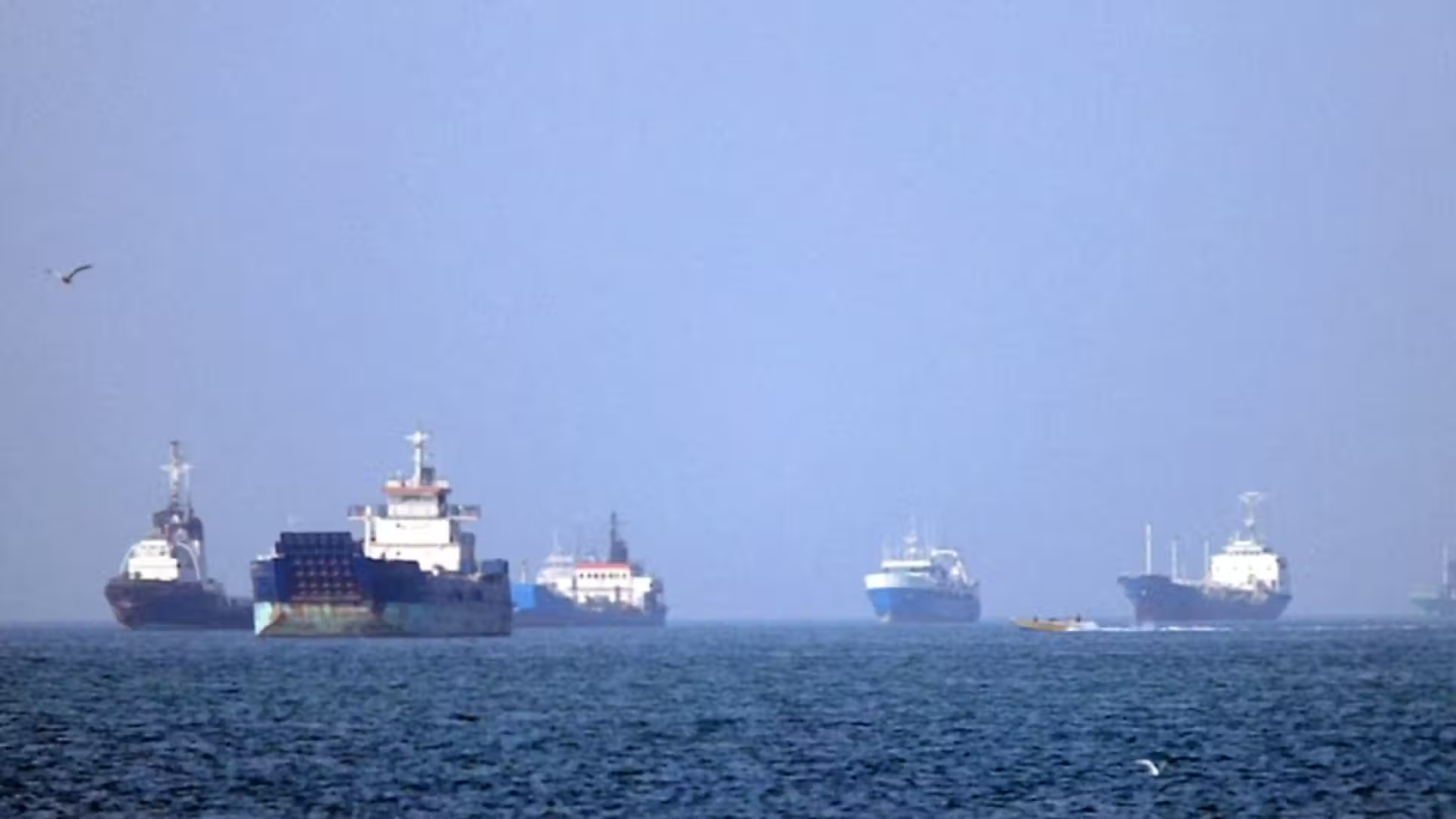
Before the Middle East war began with Israeli and U.S. strikes on Iran on February 28, one-fifth of the world's oil and liquefied natural gas transited through the Strait of Hormuz. Iran has imposed severe restrictions on shipping movements through the vital waterway since the conflict began.
Consumers are bearing an increasing share of costs as the world's ability to absorb the conflict's impact on energy supplies diminishes, the IEA said. Gulf states face difficulties exporting oil as Iran restricts navigation through the strait, and despite increased U.S. naval escorts of oil tankers, supply lines remain severely disrupted.
In response to the "enormous shock," countries are emphasizing diversification and resilience to guard against future disruptions, Birol said. Energy security and affordability now occupy a central place in political agendas worldwide.
The IEA's annual report, released as the U.N. climate conference COP31 convenes in Antalya, Turkey, includes a new scenario examining what would happen if governments implemented additional measures if the Middle East conflict prolonged. The agency also modeled a scenario of low Hormuz transit, studying whether the global energy sector could function without passage through the strait.
"If the energy sector and global economy have shown considerable resilience, the longer the crisis lasts, the deeper its effects will be," Birol said. "I see no credible path for the world's energy sector to return to the pre-crisis situation."
In its central scenario, the IEA forecasts global oil demand will peak around 2030 before a slow decline, while gas demand grows until about 2035. Renewables are recording the strongest demand growth among all fuels and are projected to represent half of electricity production by 2035, up from 33 percent currently, with solar leading the way.