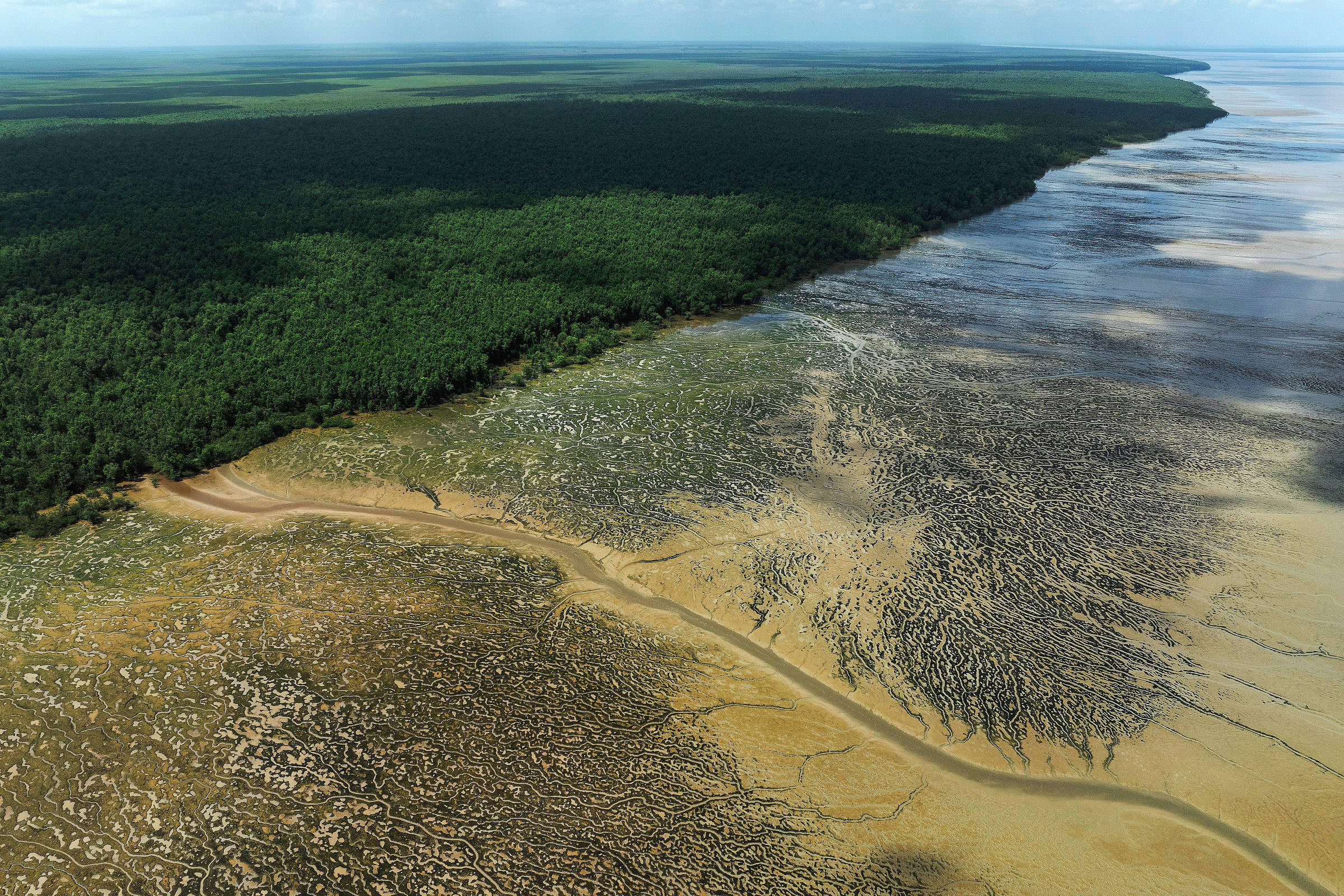
Brazil’s state-owned oil company, Petrobras, announced Monday that it has obtained the necessary license to begin deep-water drilling in the highly contentious Foz do Amazonas (Amazon River Mouth) basin. The decision, granted by the Brazilian Institute of Environment and Renewable Natural Resources (Ibama), allows the company to proceed with the exploration of the first well in the area, a project strongly backed by the government despite fierce opposition from environmental groups.
Petrobras stated that the drilling is expected to begin immediately and will last approximately five months. The operation is specifically focused on geological research—known as the Morpho well in exploratory block 59—to determine if oil and gas reserves exist in economically viable quantities. Production will not occur during this initial exploratory phase, the state oil company noted.
High-Stakes Exploration
Located 175 kilometers off the coast of Amapá state, the drilling location has been the focus of a nearly five-year licensing dispute, often pitting the government’s energy sector against its environmental division.
The project has received significant public support from President Luiz Inácio Lula da Silva, who has argued that the country cannot afford to forego potential revenue streams from petroleum. Industry analysts view the potential opening of a new exploration frontier in the northern region as crucial for sustaining Brazil’s national production rate after the anticipated decline of its mature pre-salt reserves, expected to begin early next decade.
The search is intended to confirm whether Brazil holds reserves similar to those discovered and successfully exploited by the American company ExxonMobil in neighboring Guyana, one of the fastest-growing oil producers today.
Political Celebration and Climate Conflict
Government allies swiftly celebrated the approval. Senator Randolfe Rodrigues, the government leader in the National Congress, called Monday a "historic day," stating that the decision would make possible the discovery of resources that will be "decisive for our present and for our future."
Magda Chambriard, the CEO of Petrobras, stated that the conclusion of the process and the issuance of the license represented a "conquest of Brazilian society" that reveals institutional commitment to viable projects supporting national development.
However, the timing of the authorization has drawn sharp criticism. The five-month drilling window coincides precisely with the period when Brazil is set to host COP30, the United Nations climate conference, which will take place in Belém, Pará, from November 10 to 21. Belém also serves as the operational base for the drilling activities.
Environmental organizations worldwide have protested the decision, arguing that authorizing new oil fronts in the Amazon region is inconsistent with the global necessity to reduce fossil fuel consumption. A director for the climate group 350.org called the approval a "historic error" and insisted the country needed to assume real climate leadership by breaking the cycle of exploration that contributed to the current crisis.