
Liechtenstein announced Saturday that it has changed its royal succession rules to allow women to ascend the throne, a shift from centuries of male-only inheritance.
Hereditary Prince Alois made the declaration during the country's National Day celebrations in Vaduz on August 15. The change was approved Wednesday by the necessary two-thirds majority of family members eligible to vote on matters governed by the House Law.
"The order of succession is being changed from male primogeniture to absolute primogeniture," the House of Liechtenstein said in a statement. "This means that in future the first-born child, regardless of sex, will become heir to the throne and later princess or prince of Liechtenstein."
According to Alois's remarks posted on the princely house's website, the vote allows that "all female descendants of the Princely House will be granted the same participation rights in matters governed by the House Law as male descendants."
The rule change will not affect the current line of succession. Prince Hans-Adam II, who has been the head of the royal family since 1989, will continue to be succeeded by Alois, his first-born child. Alois has carried out most official royal duties over the last two decades.
Liechtenstein, a central European country with a population of approximately 44,000, is one of the world's smallest nations. The change to absolute primogeniture aligns the principality's succession practices with those of several other European monarchies that have adopted similar rules in recent years.
Related Articles
EU court rules Hungary's anti-LGBTQ law violates bloc values
The European Court of Justice found Hungary's 2021 law banning LGBTQ content to minors breaches EU treaty values and discrimination protections.
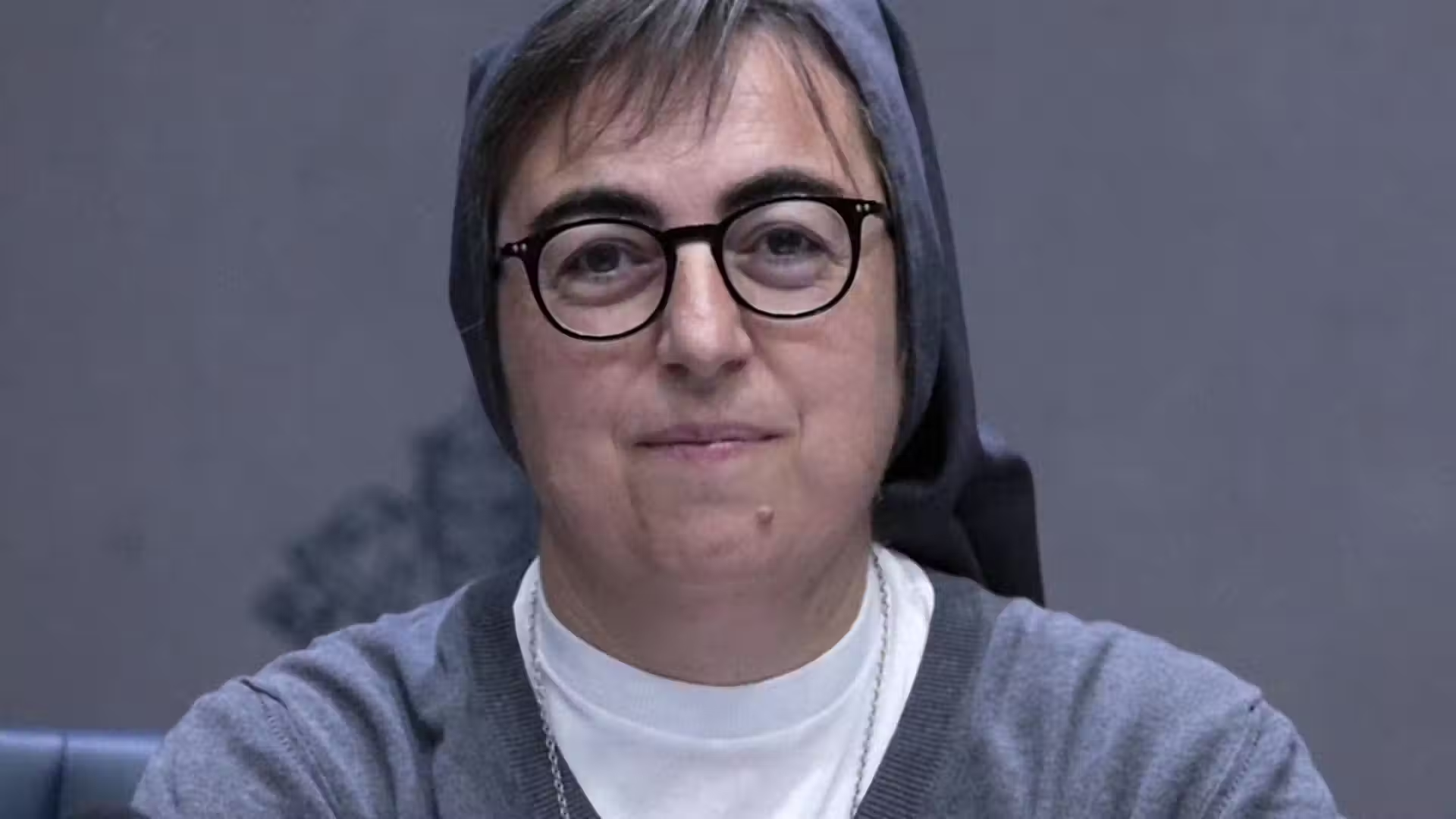
Pope Leo appoints nun as prefect of human development office
Sister Alessandra Smerilli becomes the third woman to lead a Vatican dicastery, replacing retiring Cardinal Michael Czerny.
Supreme Court upholds birthright citizenship, rejects Trump order
The court ruled 6-3 that the Constitution guarantees automatic citizenship to children born in the U.S., invalidating Trump's executive order.

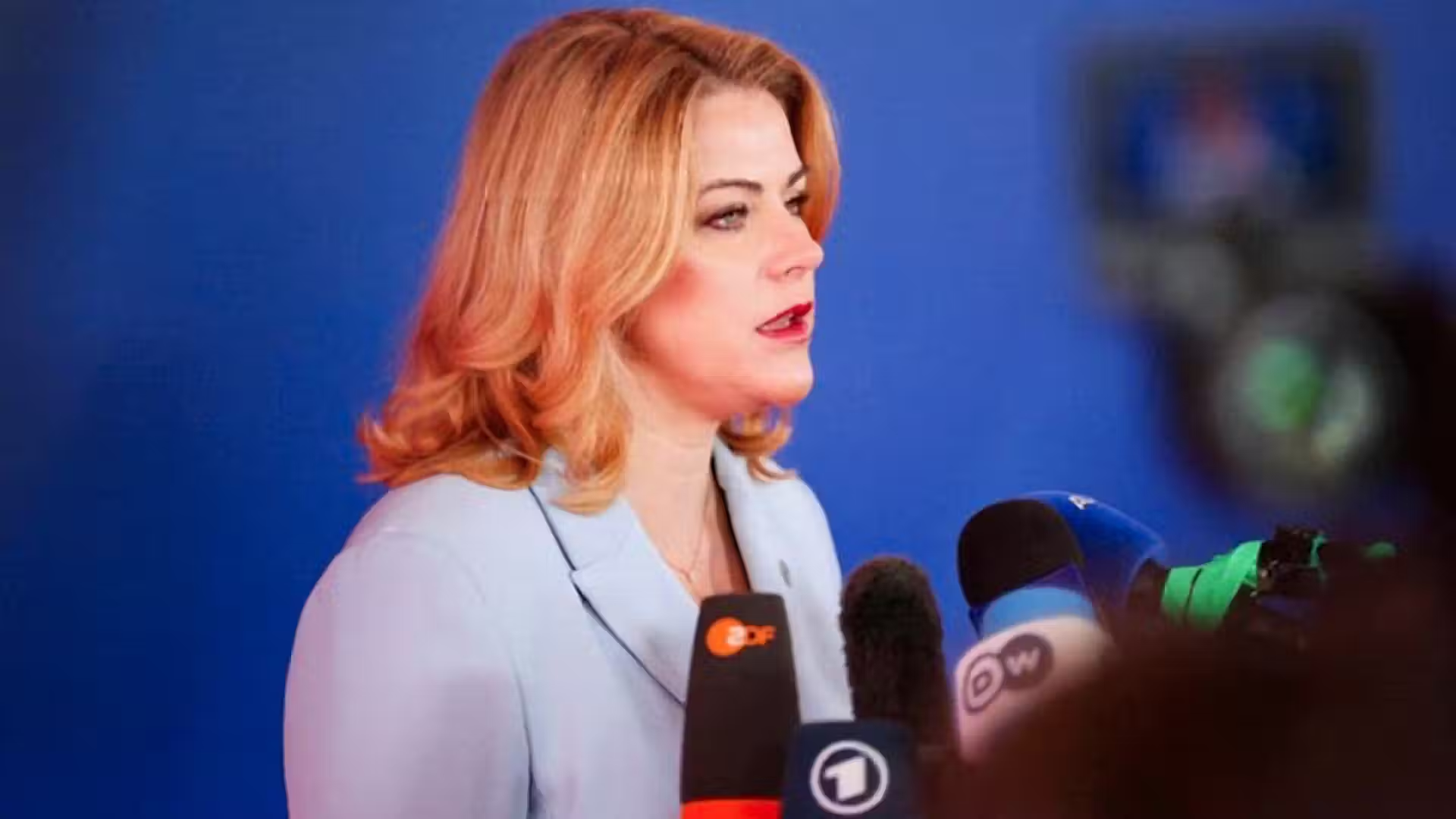
Latvia's PM Evika Silina resigns after coalition collapse over drones
Silina stepped down Thursday after her coalition lost its parliamentary majority when the Progressive party withdrew support over her firing of Defence Minister Andris Spruds.
Bahrain revokes citizenship of 69 people over Iran support
Bahrain's Ministry of Interior stripped 69 people of citizenship after accusing them of sympathizing with Iran and communicating with foreign entities.
Lebanon abolishes death penalty, first Arab nation to do so
Parliament votes to replace capital punishment with life imprisonment and hard labor, ending decades-long practice.