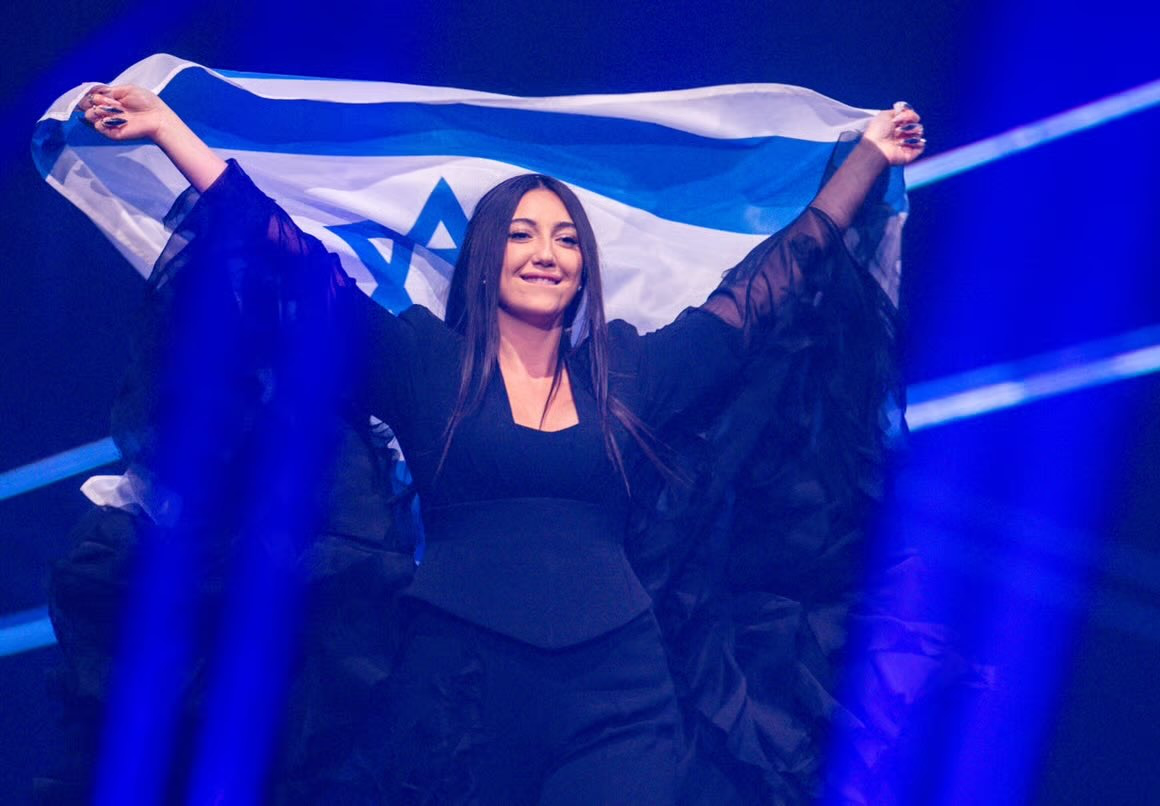
Ireland’s RTÉ, the Netherlands’ AVROTROS, Slovenia’s RTVSLO and Spain’s RTVE issued separate statements saying they would not participate if Israeli broadcaster Kan is admitted. They cited “the ongoing and appalling loss of lives in Gaza” and “the targeted killing of journalists” as reasons for their decision. AVROTROS and RTVSLO also pointed to “proven interference” by the Israeli government in this year’s results.
Other national broadcasters have set out conditional or undecided positions in recent weeks. Iceland’s RÚV said it would only take part if the European Broadcasting Union (EBU) reaches a “satisfactory outcome,” with chairman Stefán Jón Hafstein acknowledging there was “a reservation about our involvement.” Belgium’s RTBF will decide after the EBU’s general assembly in December, while VRT, which did not broadcast the contest this year, will also decide in December.
Croatia’s HRT, Germany’s SWR, Poland’s TVP and Britain’s BBC said they supported the consultation process initiated by the EBU and its decisions. Austria’s ORF openly backed Israel’s participation, while San Marino’s SMRTV said it would not boycott the event.
Extraordinary vote set for November
The EBU confirmed it will convene an extraordinary session of its general assembly in early November, where all 68 members will be invited to vote on Israel’s participation. The ballot will be secret and decided by simple majority: if more than half of members vote to exclude, Israel will not compete in Vienna in 2026.
In a letter on behalf of EBU president Delphine Ernotte-Cunci, the executive board said it had reviewed a report presented by former vice-president Petr Dvořák, based on consultations with member broadcasters. The board acknowledged “an unprecedented diversity of views concerning Kan’s participation” and said “it would not be possible to reach a consensual position.”
Denmark’s DR said it is “following the situation closely.” Finland’s Yle has held “confidential discussions” with the EBU and will decide in December. Norway’s NRK said it “stands by its decision to participate” but is “actively participating” in the consultation process. Sweden’s SVT said it remains “primarily in dialogue with the EBU.”
Eurovision director Martin Green said the EBU “understands the concerns and deeply-held views around the ongoing conflict in the Middle East” and is consulting broadcasters “to gather views on how we manage participation and geopolitical tensions.” He added that the EBU “would respect any decision broadcasters make.”
Kan CEO Golan Yochpaz said there was “no reason Israel should not continue to be a significant part of this cultural event, which must never under any circumstances become political.”