Fire breaks out at Havana oil refinery as Cuba faces deepening fuel crisis
A fire erupted at the Nico Lopez refinery in Havana on Friday amid an acute energy shortage caused by a U.S. oil blockade that has cut fuel supplies by 60 percent.
49 min ago
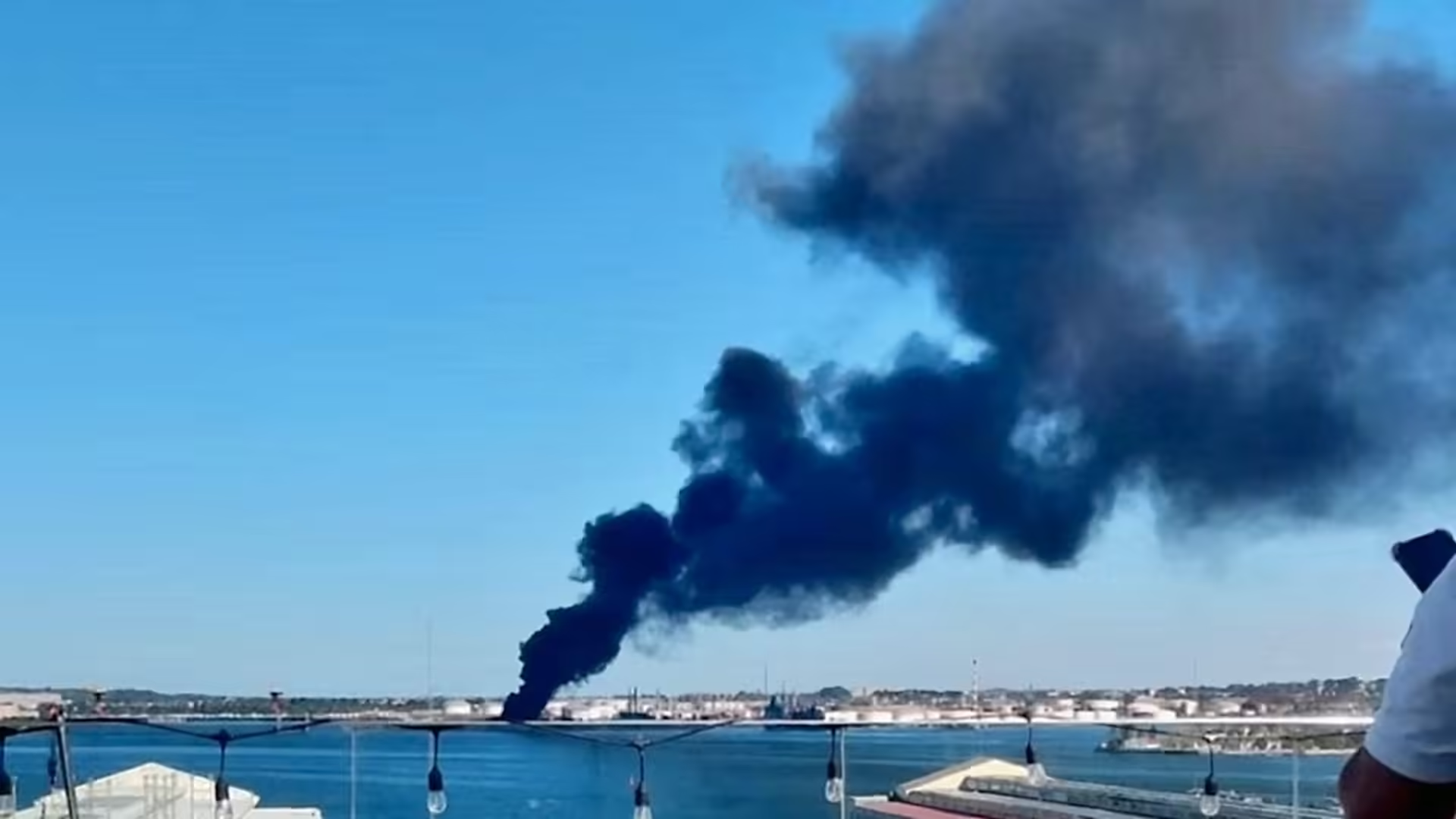
A fire broke out Friday at the Nico Lopez refinery in Havana, Cuba's capital, sending a large plume of black smoke across the city as the country grapples with an escalating energy crisis.
The fire erupted in a warehouse at the refinery located in Havana Bay. Maikel David Cabrera, director of the facility, said the blaze was contained quickly and affected only a storage area holding unused chemical products. He stated that flames did not reach any fuel storage tanks and did not damage other strategic areas of the refinery. Authorities reported no deaths or injuries from the incident.
Cuba's Ministry of Energy and Mines confirmed the fire was eventually extinguished and said the cause remains under investigation.
The incident occurs as Cuba faces a severe shortage of fuel and electricity. In early February, U.S. President Donald Trump imposed a blockade on oil shipments that had supplied approximately 60 percent of the roughly 100,000 barrels of crude oil per day needed to power the country's energy system. The blockade followed Trump's campaign of economic and military pressure on Venezuela, which resulted in the removal of that country's president and disrupted fuel supplies that had previously reached Cuba.
The energy crisis has worsened significantly since the start of the year. According to satellite imagery analysis by Bloomberg News, nighttime lighting in major eastern cities including Santiago de Cuba and Holguín has declined by up to 50 percent. Rural areas and urban centers have been disproportionately affected by power cuts.
Cuba's electrical grid is aging and fragile. In December 2025, a critical failure in a transmission line temporarily severed the connection between Havana and the country's main thermoelectric power plants in Matanzas. Daily blackouts and fuel rationing have become widespread, with the economy operating at reduced capacity due to shortages of foreign currency and the tightening of U.S. sanctions.
Emergency measures have been implemented across the island to conserve energy as authorities work to manage the fuel shortage and maintain power supply to critical infrastructure.