H3N2 flu variant spreads globally as experts assess pandemic risk and hospital strain
A new H3N2 subvariant is driving higher-than-usual flu cases across multiple countries, straining hospitals and vaccination supplies, though experts rule out pandemic potential.
December 22, 2025 - 02:41 PM ET • 3 min read
A new H3N2 flu subvariant is circulating globally, causing elevated case numbers and placing pressure on healthcare systems and vaccine availability in multiple countries.
In the United States, doctors and scientists report this year's influenza season is proving tougher than usual. Dr. Amanda Kravitz, a pediatrician at Weill Cornell Medicine in New York, said on CBS Mornings that "we are seeing more cases than we would expect for this time of year," specifically noting influenza A and the H3N2 subtype. Jesse Bloom, a scientist at the Fred Hutchinson Cancer Center who studies viral evolution, stated "it's pretty likely to be an H3N2-dominated flu season" and said "current indicators are that it may be substantially more severe than the typical winter flu season," though he added he does not see reason to think it is "unprecedentedly bad." Bloom noted the H3N2 virus has changed enough to make it harder for immune systems to recognize it, but a flu shot could still provide protection.
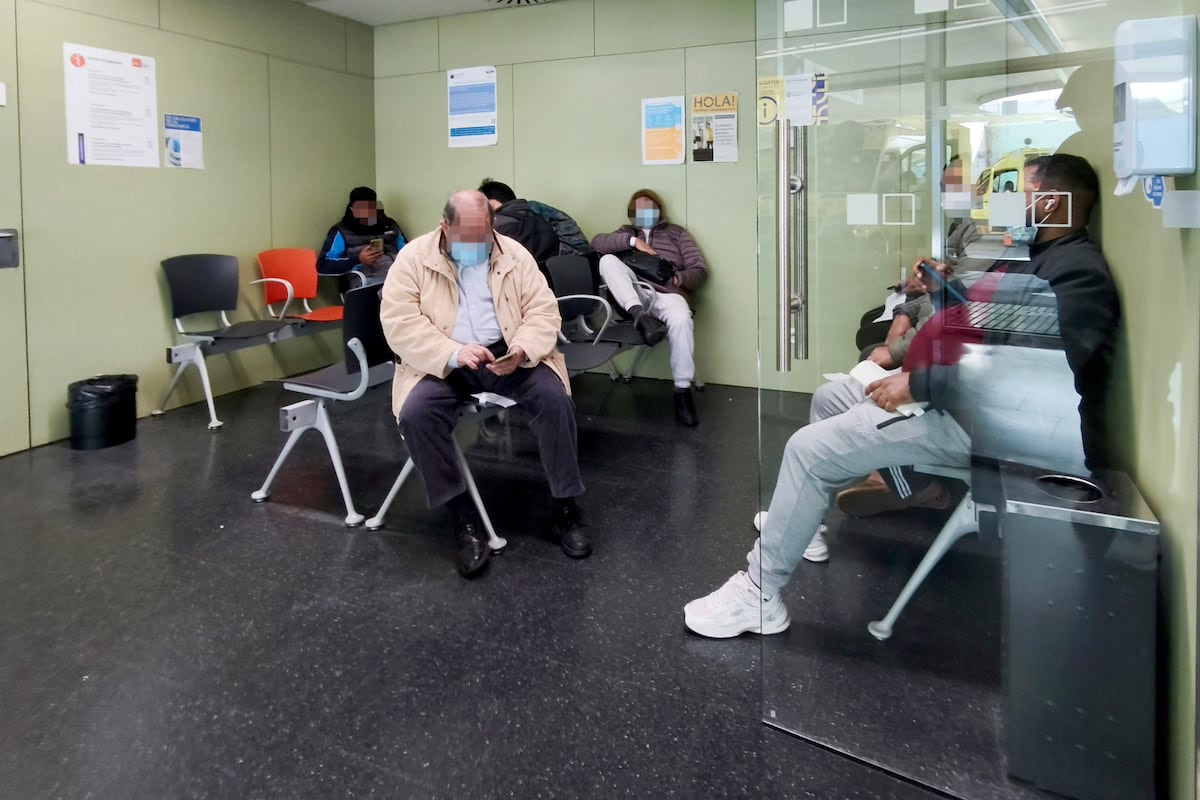
In Spain, flu cases are escalating ahead of the winter peak. The Catalan health surveillance system projects the peak may arrive after Christmas. During the week of December 8 to 14, incidence rates reached approximately 800 cases per 100,000 inhabitants, representing an 82 percent increase from the previous week. The virus arrived three weeks earlier than expected this year. Hospital staffing has been affected as employees fall ill during the holiday period, when case numbers typically rise further due to family gatherings.
In Chile, the first confirmed case of the H3N2 subvariant K was reported on December 19. Esther Elwin, head of the Health Ministry's Emergency Division, stated that "the K subclade does not correspond to a new or different virus, but rather an expected form of evolution of the seasonal influenza virus already circulating in the world." She added that "available evidence indicates that the influenza vaccine administered this year continues to provide protection against severe disease and hospitalization."
In Peru, the H3N2 subvariant has strained the healthcare system. Health centers in Lima report that citizens inquiring about influenza vaccines are told doses are unavailable, affecting vulnerable groups including elderly people and children. Hospital emergency departments have experienced increased patient volume from respiratory cases, adding pressure to facilities already facing serious limitations. Vaccine stock information remains unclear regarding replenishment timelines.
In Spain's Asturias region, health authorities have administered 262,296 flu vaccines as of December 22. Of these, 171,472 were given to people over 64 years old, representing 57.27 percent of that age group. Additionally, 10,635 children under 5 received the vaccine, representing 56.28 percent of that age group. The vaccination campaign continued through December 22 with afternoon appointments available from 4 p.m. to 8 p.m.
A separate respiratory illness also circulating involves adenovirus, a group of common viruses that can cause mild to severe infection year-round. According to Eric Sachinwalla, medical director of infection prevention, this virus is "heartier than the common cold" because "soap and water, or everyday disinfectant, won't kill it."