November 9 marks the 37th anniversary of the fall of the Berlin Wall, one of the most significant events in modern European history. The collapse of the barrier that divided the German city into East and West sectors for 28 years represented a turning point for Germany, accelerating its reunification process and signaling the beginning of the end of the Cold War.
The Berlin Wall was constructed in August 1961, dividing the city into Eastern and Western sectors. The 155-kilometer barrier was designed to prevent residents of East Germany from fleeing to the West. For nearly three decades, the wall stood as a physical and symbolic representation of the division between communist Eastern Europe and the democratic West.
The wall's fall on November 9, 1989, triggered political developments throughout Central and Eastern Europe, fundamentally altering the postwar map of the continent. The event accelerated German reunification and marked a watershed moment in European geopolitics, leading to the eventual dissolution of the Soviet Union and the end of the Cold War.
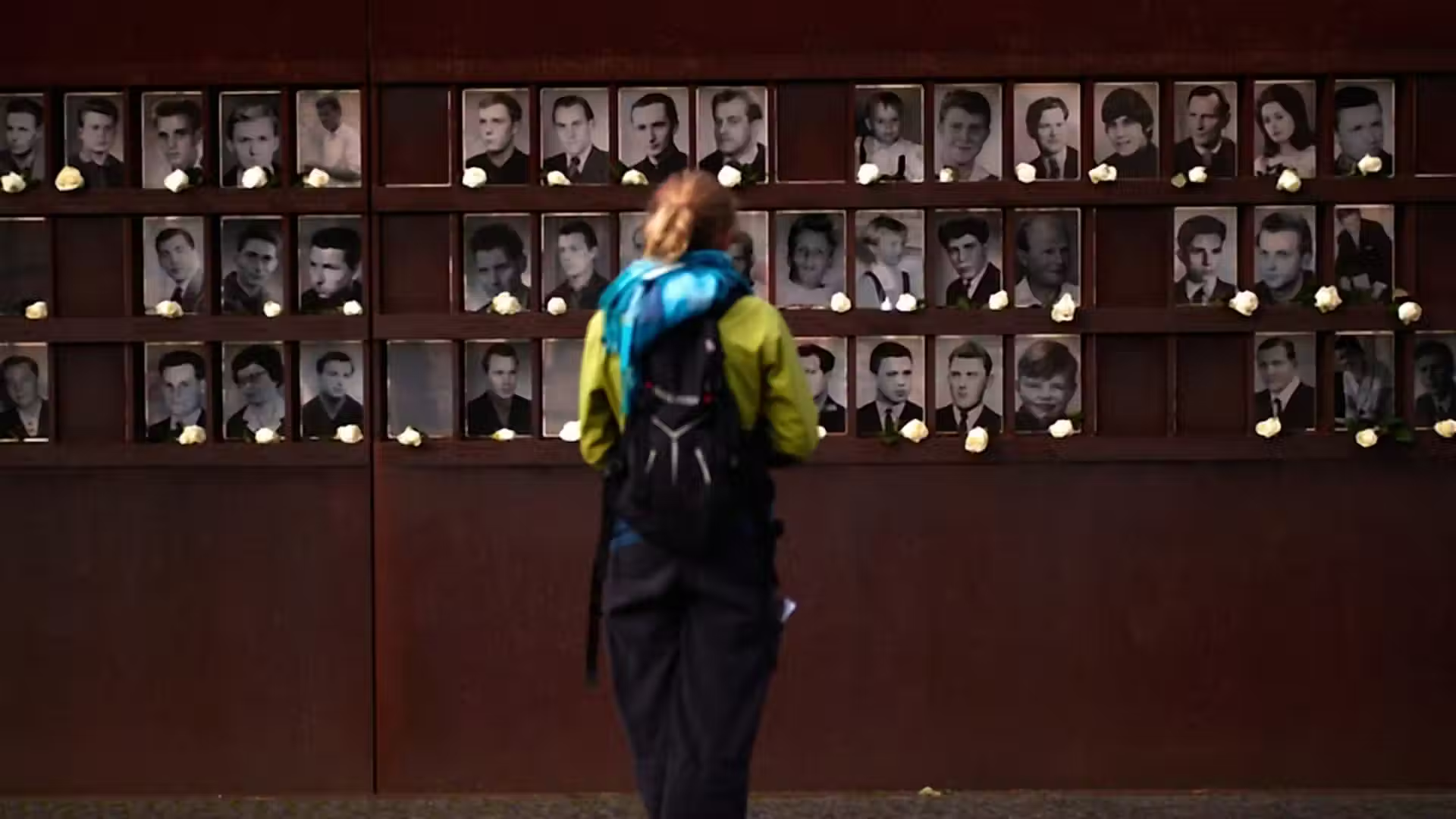
Berlin is commemorating the anniversary with a "Week of Freedom" dedicated to women who resisted during the period of division. The observance highlights the role of women in the struggle against the wall and the division it represented. Commemorative events feature photographs and testimonies from victims of German division, reflecting on the human cost of the barrier that separated families and communities for nearly three decades.
The anniversary serves as a reminder of the wall's profound impact on millions of people whose lives were divided by its construction. The barrier claimed numerous lives as people attempted to escape from East to West, making it one of history's most tragic symbols of political division.
The fall of the Berlin Wall remains a pivotal moment in twentieth-century history, representing the triumph of freedom over oppression and the beginning of a new era in European relations.