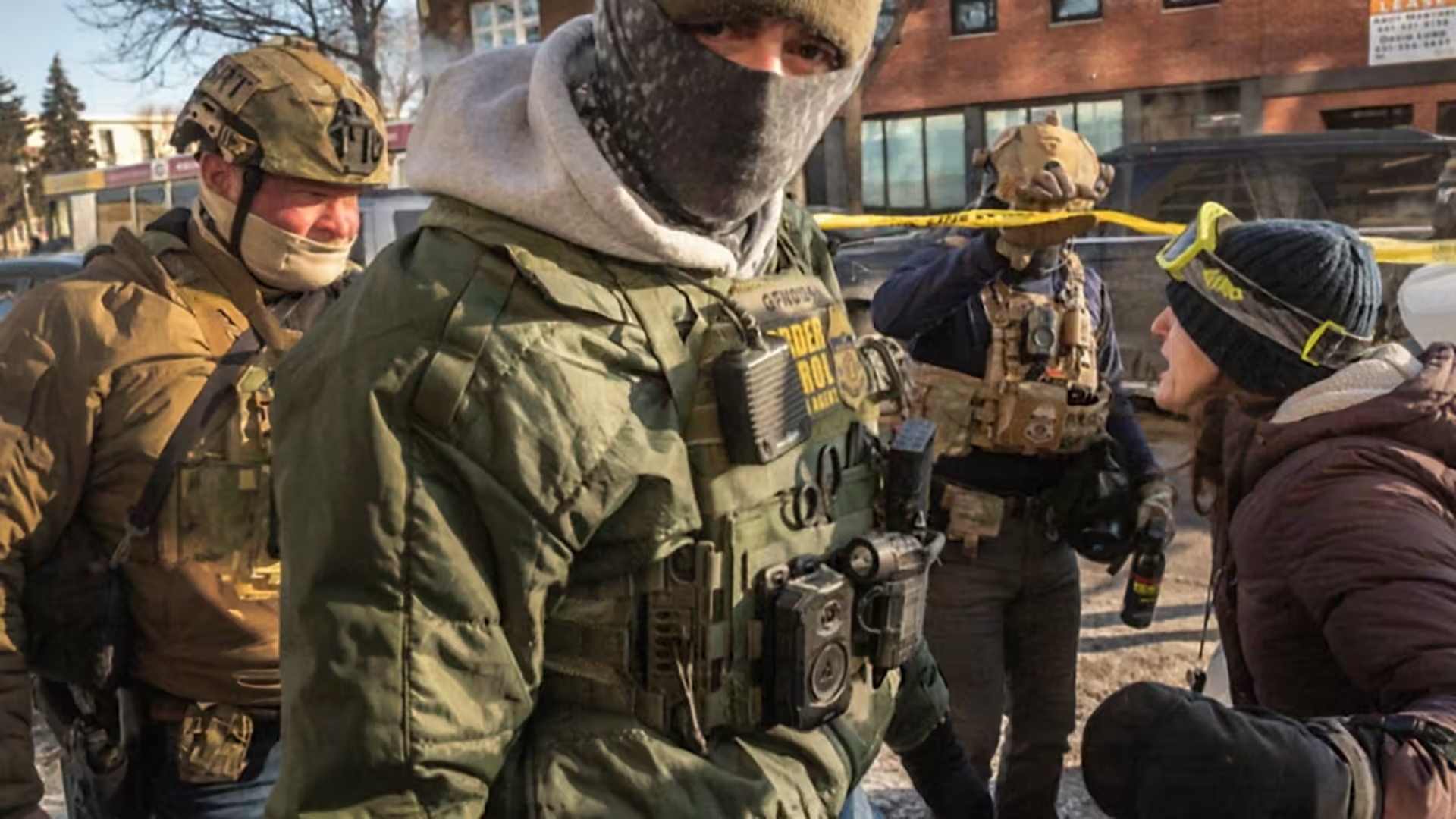
Homeland Security Secretary Noem Orders Body Cameras for Immigration Officers in Minneapolis
All federal immigration agents in Minneapolis will wear body cameras effective immediately, with nationwide expansion planned as funding becomes available.
February 2, 2026
Kristi Noem, the Secretary of Homeland Security, announced Monday that all federal immigration officers deployed in Minneapolis will be equipped with body cameras, effective immediately.
The announcement came as the Department of Homeland Security faces scrutiny over fatal shootings by federal agents in the Twin Cities. The deaths of two U.S. citizens, Alex Pretti and Renee Good, prompted widespread protests and calls for transparency across the country.
Noem said in a post on social media that she had discussed the move with the heads of Immigration and Customs Enforcement and Customs and Border Protection. She stated that the policy will be "expanded nationwide" as funding becomes available, adding: "We will rapidly acquire and deploy body cameras to DHS law enforcement across the country."
The announcement follows concerns and outrage among Americans, including lawmakers in Congress, over aggressive tactics that federal officers have employed to advance President Trump's immigration crackdown. Federal officials have also faced scrutiny over discrepancies in their accounts of fatal shootings involving federal agents, which have sometimes conflicted with accounts from local officials and witness videos.
The Department of Homeland Security has deployed approximately 3,000 agents to the Minneapolis area as part of a monthslong crackdown on people accused of immigration violations. The large-scale operation has sparked massive protests nationwide.
President Trump expressed support for the decision on Monday, stating that body cameras "generally tend to be good for law enforcement because people can't lie about what's happening."
Noem characterized the initiative as part of what she called "the most transparent administration in the history of the United States."