House passes $1.2 trillion spending package to end partial government shutdown
The House voted 217-214 to approve funding through September 30, with Homeland Security receiving only two weeks of financing pending immigration policy negotiations.
3 hrs ago
The House of Representatives passed a roughly $1.2 trillion spending package Tuesday to end the partial government shutdown, sending the measure to President Donald Trump for his signature.
The vote was 217-214, concluding congressional work on 11 of the 12 annual appropriations bills and funding the vast majority of the government through the budget year ending September 30. The legislation wraps up a standoff that began 11 days ago following the fatal shooting of an American citizen by federal immigration agents in Minneapolis, which derailed a bipartisan budget agreement and triggered intensive negotiations.
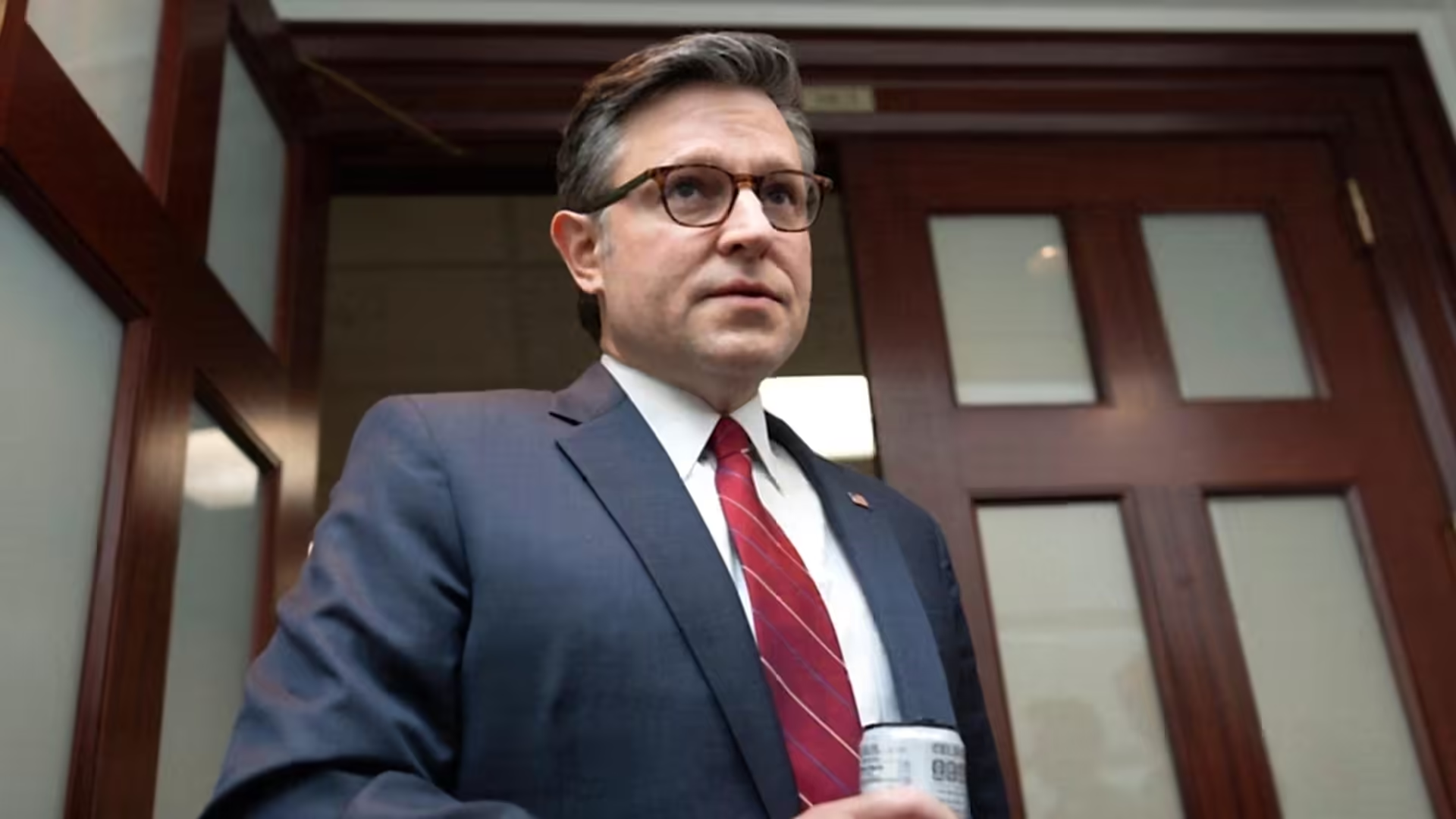
Speaker Mike Johnson secured near-unanimous support from his Republican conference to advance to the final vote. During a procedural vote held open for nearly an hour, leaders worked to gain backing from a handful of GOP lawmakers pursuing priorities unrelated to the funding measure.
Under the agreement, the Department of Homeland Security receives only short-term financing lasting through the end of the following week. Democrats and President Trump will continue negotiating restrictions on immigration enforcement operations during this period. Senate Minority Leader Chuck Schumer said Senate Democrats plan to present a "very serious, detailed proposal" on Department of Homeland Security reforms to Republicans and the White House "very shortly."
Democratic demands include an end to roving patrols and tightened rules governing the use of warrants. They are also seeking a uniform code of conduct and accountability measures to hold federal agents to the same use-of-force policies as state and local law enforcement, along with a "masks off, body cameras on" policy for federal agents. Republicans have appeared amenable to some demands, including the use of body cameras and ending roving patrols, while other proposals have proven more divisive.
Trump has said he will sign the bill when it reaches his desk. Legislators will return to negotiate possible changes to the Immigration and Customs Enforcement agency as Democrats push for greater restrictions on its operations.