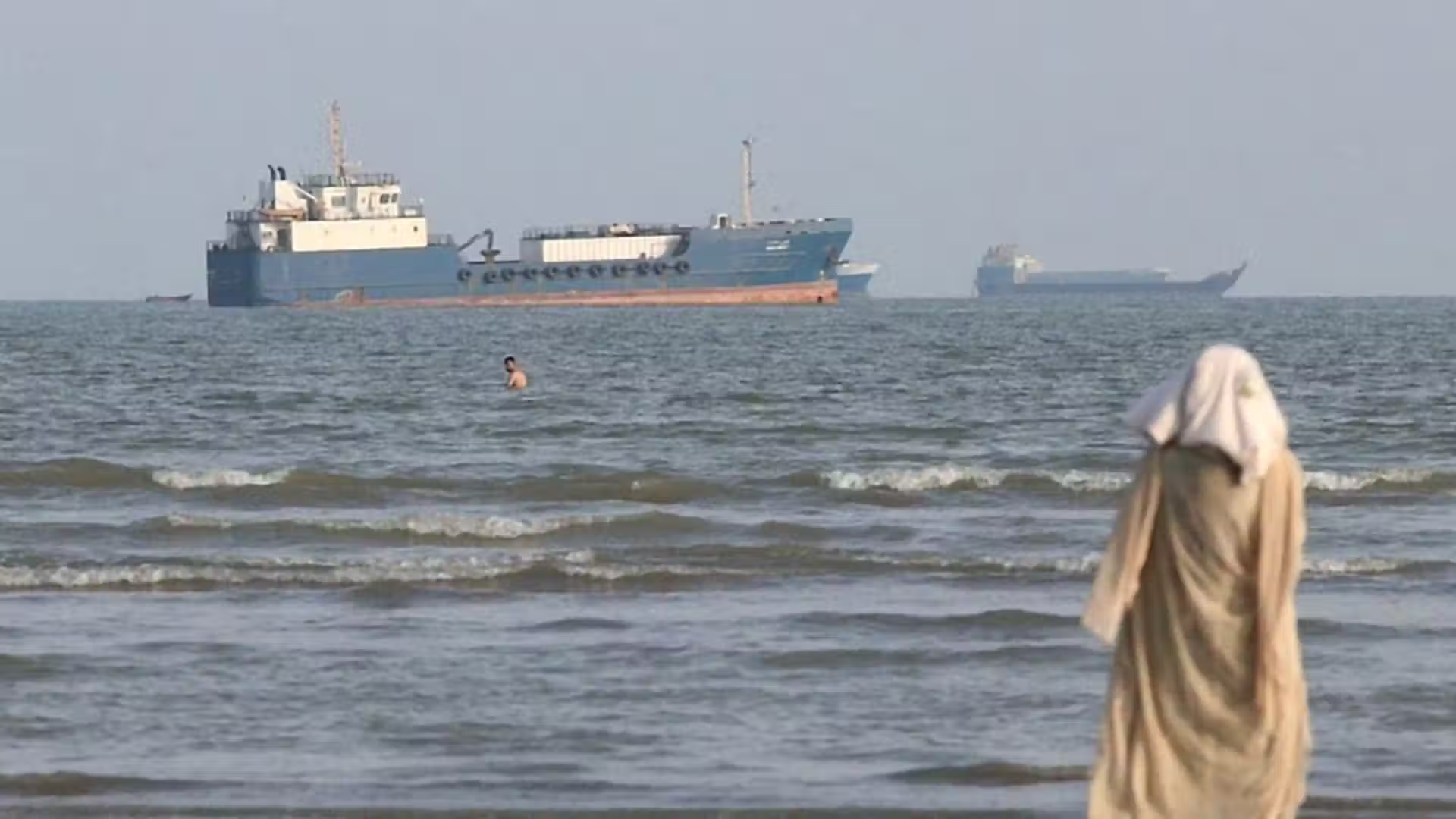
A container ship was struck by an unknown projectile while transiting the Strait of Hormuz on Wednesday, the UK Maritime Trade Operations reported, marking the latest incident in a series of attacks that have begun reshaping global energy markets.
The UKMTO, which monitors shipping activity in the region, received the report from a verified source but provided no immediate details about the vessel's condition, the nature of the projectile, or responsibility for the strike. A tanker also came under fire in the strait on Tuesday evening, according to the same authority.
The incidents coincide with a significant escalation in regional tensions. Iranian officials confirmed to Reuters that Tehran has deployed new attack tactics against vessels over the past ten days, which officials characterized as targeting ships violating restrictions Iran had imposed. The officials declined to disclose specifics of the new methods. According to Iranian officials, the campaign is intended to keep oil prices elevated and influence the US midterm elections.
The attacks have already begun affecting global energy supplies. Brent crude futures climbed to $106.58 per barrel on Wednesday, gaining 0.66 percent, while US West Texas Intermediate crude rose 1.82 percent to $95.85 per barrel on the NYMEX, reaching its highest level in more than two weeks. Market analysts attributed the price increases directly to concerns about potential disruptions to oil flowing through one of the world's most critical energy corridors.
The Strait of Hormuz, which connects the Persian Gulf to the Gulf of Oman and the Arabian Sea, has experienced multiple maritime incidents in recent years. The waterway handles a substantial portion of global maritime commerce and is essential to international energy security.
Beyond shipping attacks, broader regional military activity is compounding supply concerns. Houthi strikes on Saudi Arabia's energy infrastructure, combined with Iranian operations in the Hormuz Strait, have sustained expert concerns about the vulnerability of Persian Gulf energy facilities and transportation routes. An attack on the headquarters of Saudi Arabia's state-owned oil company also supported price movements Wednesday.
UBS analyst Giovanni Staunovo noted that attacks on vessels crossing the Strait of Hormuz and military strikes between Saudi Arabia and the Houthis are supporting prices as market participants remain concerned about lower oil exports from the region. Regional tensions have already affected exports from one of the world's most critical energy-producing areas.