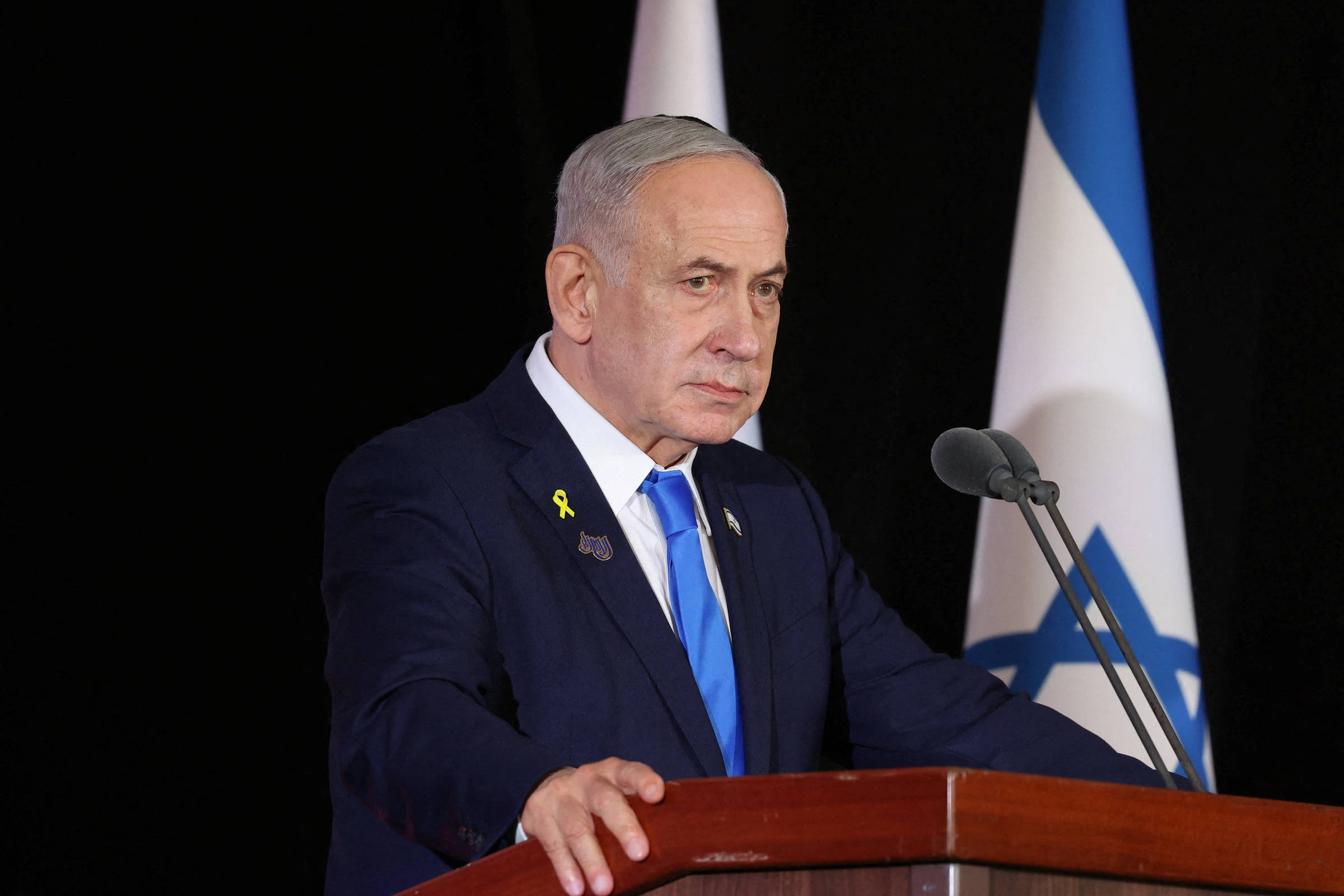
Israeli Prime Minister Benjamin Netanyahu reiterated on Saturday that the reopening of the Rafah border crossing, critical for humanitarian aid into Gaza, is conditional on Hamas returning the bodies of deceased Israeli hostages.
The stance, articulated by the Prime Minister’s office, follows an announcement by the Palestinian embassy in Egypt suggesting the border crossing—which connects Gaza and Egypt—would reopen on Monday. Netanyahu’s cabinet stated that the opening “will be considered based on the manner in which Hamas fulfills its part in the devolution of the dead hostages and the implementation of the established agreement.”
Israel has increasingly used the reopening of Rafah as leverage to accelerate the repatriation process, accusing the Palestinian group of deliberately violating the terms of the recent U.S.-brokered ceasefire, which took effect on October 10.
Challenges to the Ceasefire Agreement
Under the terms of the truce, the militant group had committed to returning both live and deceased hostages taken during the initial conflict. Hamas released the remaining 20 living hostages earlier this week.
However, the return of the bodies has faced delays. As of Saturday, Hamas had delivered 10 of the estimated 28 bodies of deceased hostages. The group, through its Ezedin al Qassam Brigades, announced Saturday that it would deliver two additional bodies found in the Gaza Strip to the International Committee of the Red Cross (ICRC).
Hamas officials stated that the delay in delivering the remaining bodies stems from the difficulty of locating and extracting them from the ruins of the territory, which has been devastated by years of conflict. “The process of returning the bodies of the Israeli prisoners could take some time,” the faction declared, responding to Israeli accusations of non-compliance.
In parallel to the political pressure, thousands of demonstrators gathered in Israeli cities, including Tel Aviv’s Hostages Square, demanding the immediate recovery of the remains still held by Hamas.
Identification and Repatriation Efforts
Following the delivery of a body by Hamas on Friday, Israeli authorities confirmed the remains belonged to 75-year-old Eliyahu Margalit. Margalit, who was killed during the initial attack on Israeli territory in October 2023, had been kidnapped from Kibbutz Nir Oz.
Israeli military and security services identified the remains at the Forensic Medical Institute in Tel Aviv, and the body was subsequently delivered to the family, the prime minister’s office reported. The office affirmed it would “not yield” in its efforts until all deceased hostages are recovered.
In addition to the hostage exchange, Israel has also repatriated the bodies of 135 Palestinians in the framework of the ongoing agreement, including 15 on Saturday.
Despite the ceasefire, tensions remain high. Gaza’s Civil Defense, controlled by Hamas, accused Israeli forces of violating the truce by attacking a bus late Friday, killing nine people. The Israeli military countered, stating that the shots were directed at a vehicle that had reportedly exceeded its troop withdrawal line. Separately, international assistance has been offered, with Turkey sending an 81-member team specializing in search and rescue operations, including specialized tools and trained dogs, but the team awaits Israeli authorization to enter Gaza.