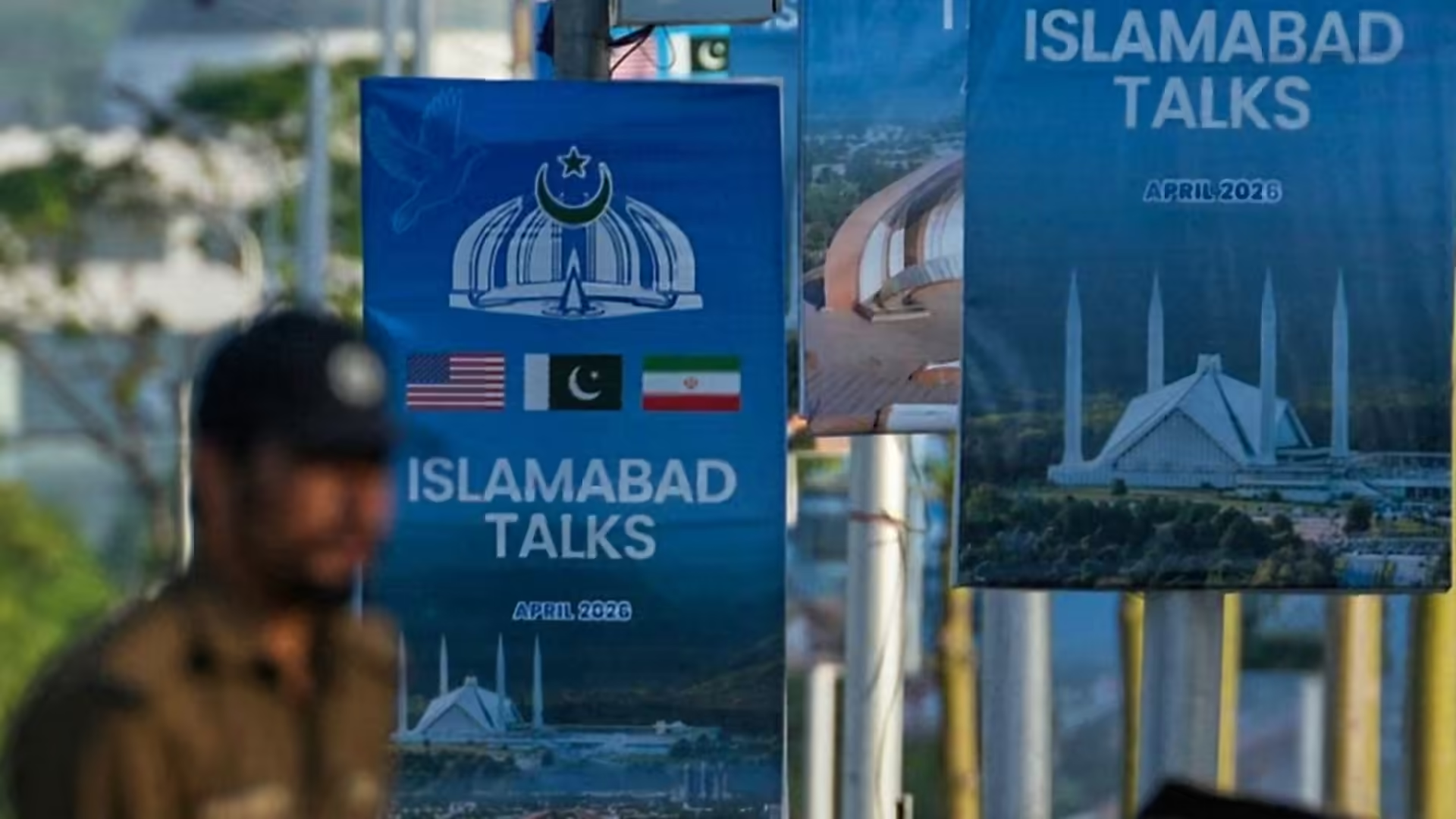
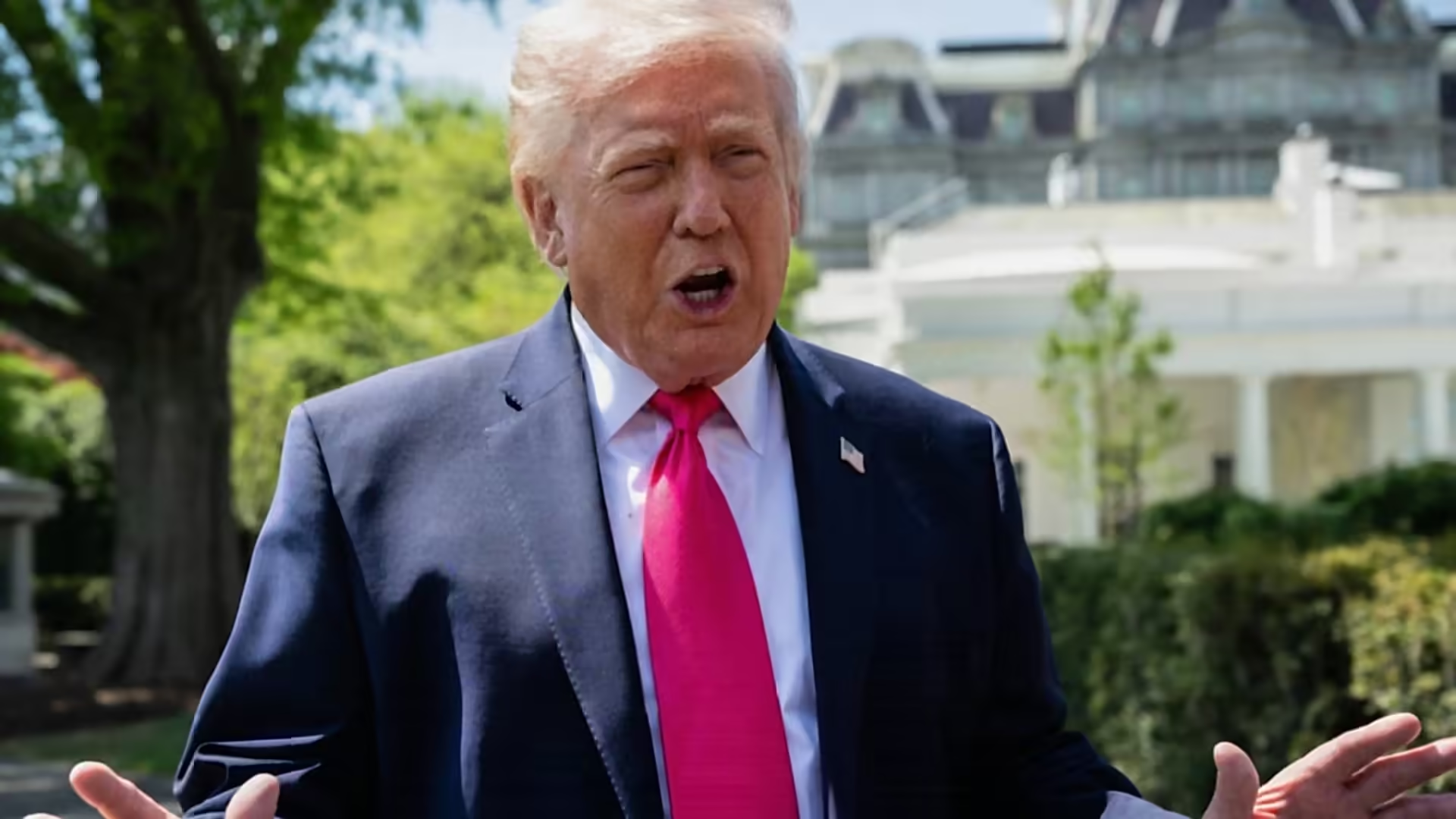
President Donald Trump canceled plans Saturday to send U.S. envoys to Pakistan for ceasefire talks with Iran, upending negotiations that had been scheduled to begin the same day.
Trump said he had instructed special envoy Steve Witkoff and his son-in-law Jared Kushner not to travel to Islamabad. The White House had announced Friday that the two would head to Pakistan for direct talks with Iranian counterparts.
"I just cancelled the trip of my representatives going to Islamabad, Pakistan, to meet with the Iranians," Trump wrote on Truth Social. "Too much time wasted on traveling, too much work! Besides which, there is tremendous infighting and confusion within their 'leadership.' Nobody knows who is in charge, including them. Also, we have all the cards, they have none! If they want to talk, all they have to do is call!!!"
The cancellation came hours after Iranian Foreign Minister Abbas Araghchi departed Pakistan on Saturday evening. Araghchi had arrived in Islamabad earlier in the day and met with Pakistani officials, including Army Chief and Field Marshal Syed Asim Munir. He also met with Pakistani Prime Minister Ishaq Dar.
Before leaving, Araghchi said on X that he had "shared Iran's position concerning a workable framework to permanently end the war," but he had "yet to see if the US is truly serious about diplomacy."
The failed talks marked a setback for negotiations meant to follow up on face-to-face discussions held earlier this month between the U.S., led by Vice President JD Vance, and Iran, led by parliament speaker Mohammad Bagher Qalibaf.
Iranian officials have expressed skepticism about U.S. commitment to negotiations. Officials questioned how they could trust the United States after American forces began blockading Iranian ports in response to Iran's control of the Strait of Hormuz.
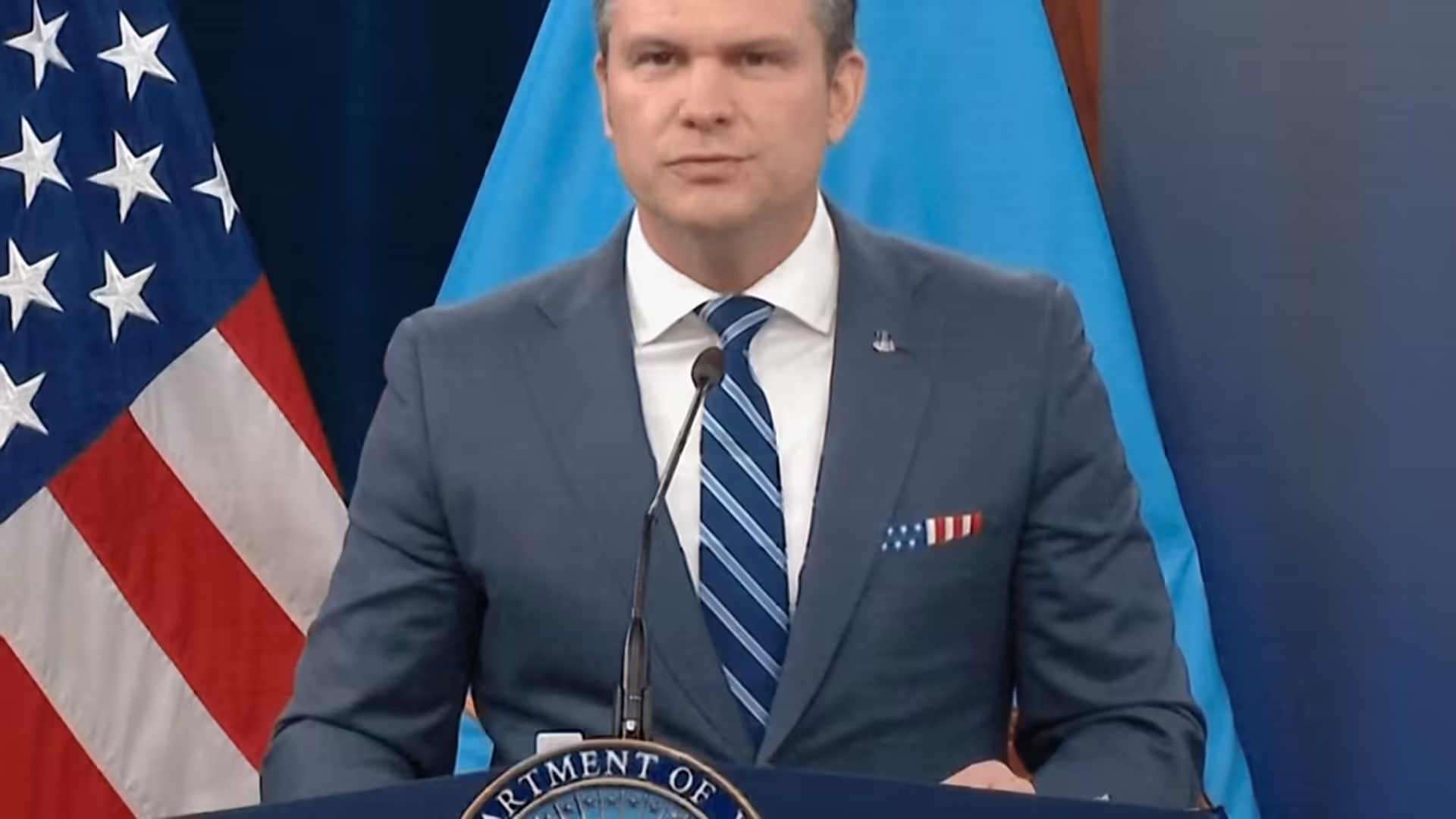
U.S. Secretary of Defense Pete Hegseth said Iran still had an "open window" to strike a deal and abandon its pursuit of a nuclear weapon in "meaningful and verifiable ways."
The United States has also frozen $344 million in cryptocurrency assets linked to Iran, Treasury Secretary Scott Bessent said, as Washington seeks to increase pressure on Tehran amid energy supply disruptions caused by the war.
The negotiations were occurring on day 57 of the conflict between the U.S. and Iran.