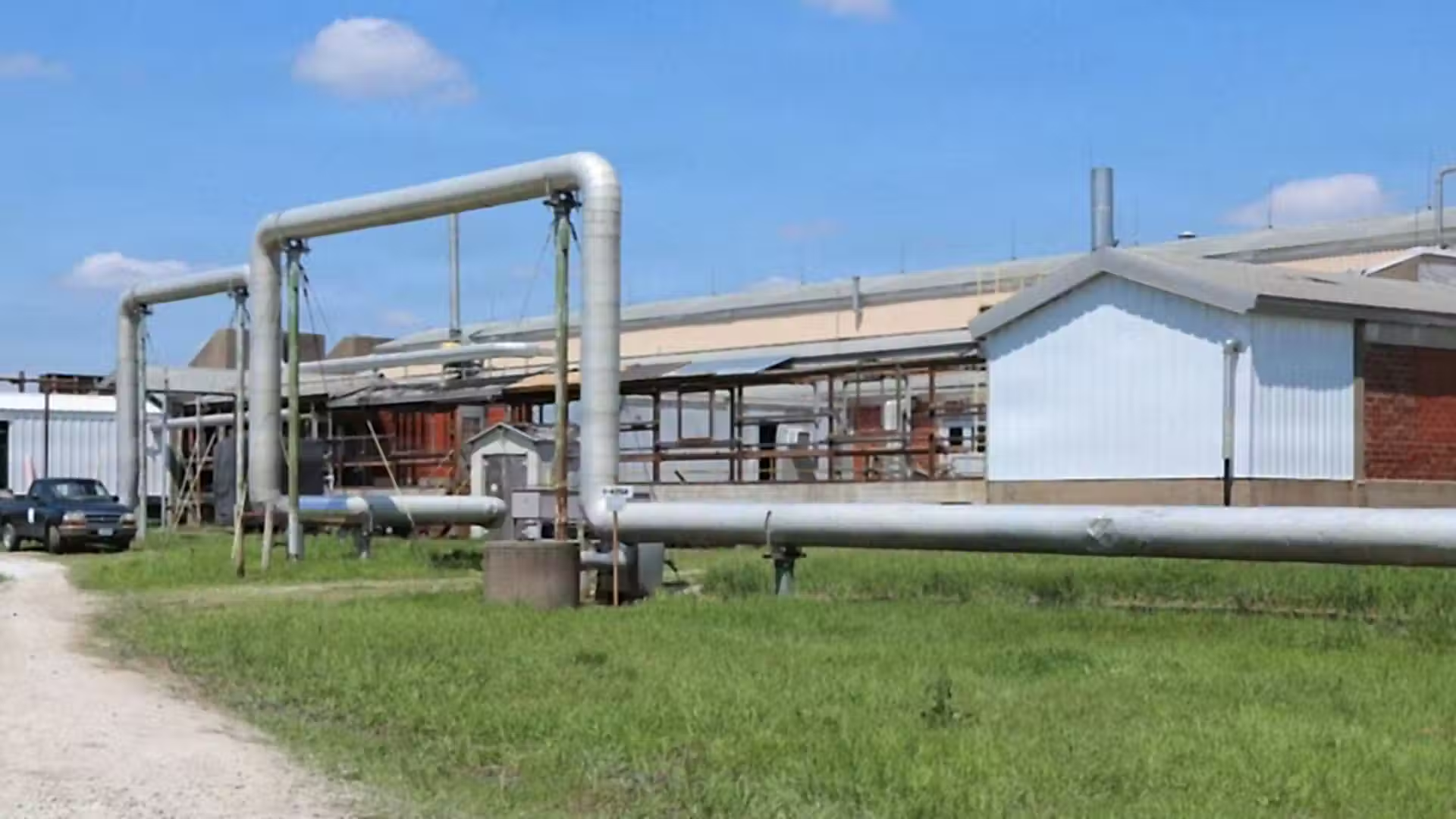
The U.S. Army plans to detonate about 5 tons of bomb-making chemicals on Friday at the Iowa Army Ammunition Plant near Middletown, in southeast Iowa. The chemicals have become unusable and might explode if moved, officials said.
An emergency permit approved by the Environmental Protection Agency on Nov. 13 cleared the way for the detonation, the Associated Press reported. Officials said the material, lead azide, had been stored for more than 20 years in earthen containers in a bath of ethanol and water. During a routine check earlier this year, they found that some of the water had evaporated, causing the compound to crystallize and become more sensitive to friction and shock.
Officials recommended that some Middletown residents begin vacating on Friday morning. Those who cannot leave should stay indoors with windows and doors closed during the detonation. Schools and the public library in Middletown will close Friday, and the local fire department planned to hose down playgrounds that could be covered in lead particles.
Residents in the region are worried that a cloud of lead dust could contaminate the environment and harm their health. Lead is a neurotoxicant that can reduce brain activity and development, especially in young children. Patrick O'Shaughnessy, a University of Iowa professor in occupational and environmental health, said it was encouraging that the Army and the EPA were trying to minimize the dust, but that how much would reach the air and surfaces was still unknown.
The Army said it assembled a panel of experts in munitions chemistry, engineering and environmental safety to design the plan. Sand barriers stacked two stories high will surround the soil, and the soil and air will be sprayed with water to keep most of the lead on Army property. Lt. Col. Daniel Nosse, the plant's commander, said, "The safety of our people and our neighbors is non-negotiable."
Moving the material posed an unacceptable risk of accidental detonation, officials said. Justine Barati, a public affairs specialist with the Army Sustainment Command, said the Army was "really concerned about the weather situation" and that the chance of the material detonating on its own increases in cold weather.
Officials released maps showing the potential northward drift of the dust, and the Army said it would update them based on the weather. The initial map put Mediapolis, less than 20 miles away, at the center of the exposure area, and officials there learned of the potential exposure only on Sunday. The map was later revised and no longer expects the city of nearly 2,000 residents to be affected. Iowa Gov. Kim Reynolds's office was first briefed on the public advisory on Monday.