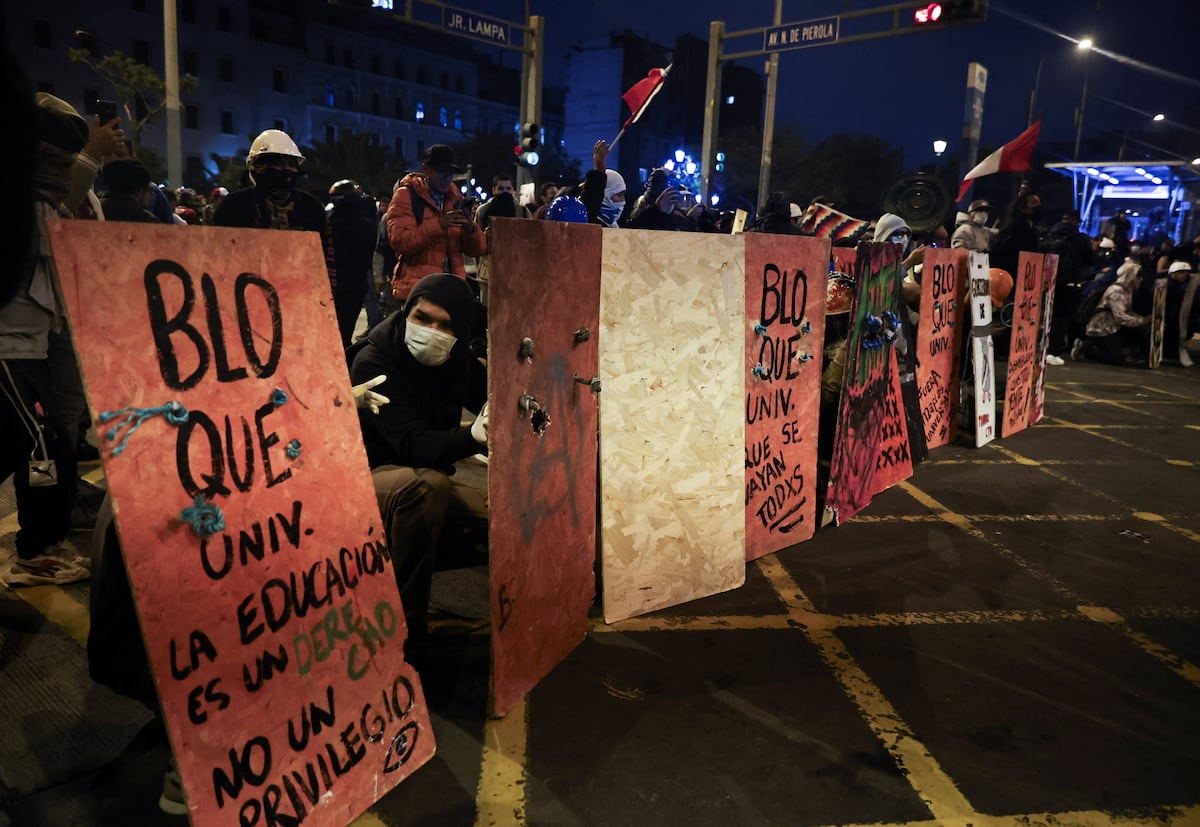
LIMA, Perú — The interim government of Perú is preparing to declare a state of emergency (SoE) across the Lima Metropolitan area and the adjacent port of Callao, citing a need to combat a surge in violent crime and insecurity. The announcement comes just days after massive nationwide protests against the new administration and the political class resulted in one fatality and more than 100 injuries.
Prime Minister Ernesto Álvarez announced late Thursday that the government, led by transitional President José Jerí, would formalize the SoE and accompany it with a comprehensive package of security measures. The declaration would affect more than 10 million residents, allowing the government to deploy military forces to the streets and restrict constitutional rights such as freedom of assembly, personal security, and the inviolability of domicile. Álvarez indicated that officials were still assessing the final measures, acknowledging that a curfew, though previously implemented, has not always proven effective against violent criminality.
Investigations into Police Response
In a related move aimed at addressing the public outcry over the handling of the protests, the government suspended the head of the Lima police region, General Enrique Felipe Monroy, on Friday. Monroy, who had held the position since January 2024, was temporarily replaced by General Manuel Vidarte.
Officials confirmed that Monroy was suspended until investigations into the police force’s actions during the recent disturbances are complete. Additionally, two other generals, heading national divisions of intelligence and criminal investigation, were also relieved of their duties.
Wednesday’s protests, largely mobilized by youth and Generation Z activists under the banner of "que se vayan todos" (all of them must go), began as a reaction to pervasive insecurity and quickly morphed into general demonstrations against the country’s deep political crisis.
During the unrest in Lima, 32-year-old rapper Eduardo Ruiz was killed after being struck by a gunshot fired by a police sub-officer, who has since been detained and is set to be dismissed from the force. Authorities reported a total of at least 113 injuries among police and civilians.
Chronic Political Instability
The declaration of the State of Emergency follows an escalating period of political turbulence. President Jerí, 38, assumed the interim role on October 10 after Congress impeached former President Dina Boluarte in a rapid political trial, with the lack of effective action against the security crisis cited as a key factor in her removal.
Jerí is the country’s seventh head of government in less than a decade, underscoring the severe political instability gripping Perú.
The international community urged restraint and prioritization of dialogue. The UN Office of the High Commissioner for Human Rights issued a statement urging authorities to use force exceptionally and guarantee opportunities for peaceful assembly.
Past attempts by Peruvian governments to utilize states of emergency to reduce criminality have faced significant public criticism and have often failed to produce sustained results, leading critics to question the efficacy of the proposed measures.