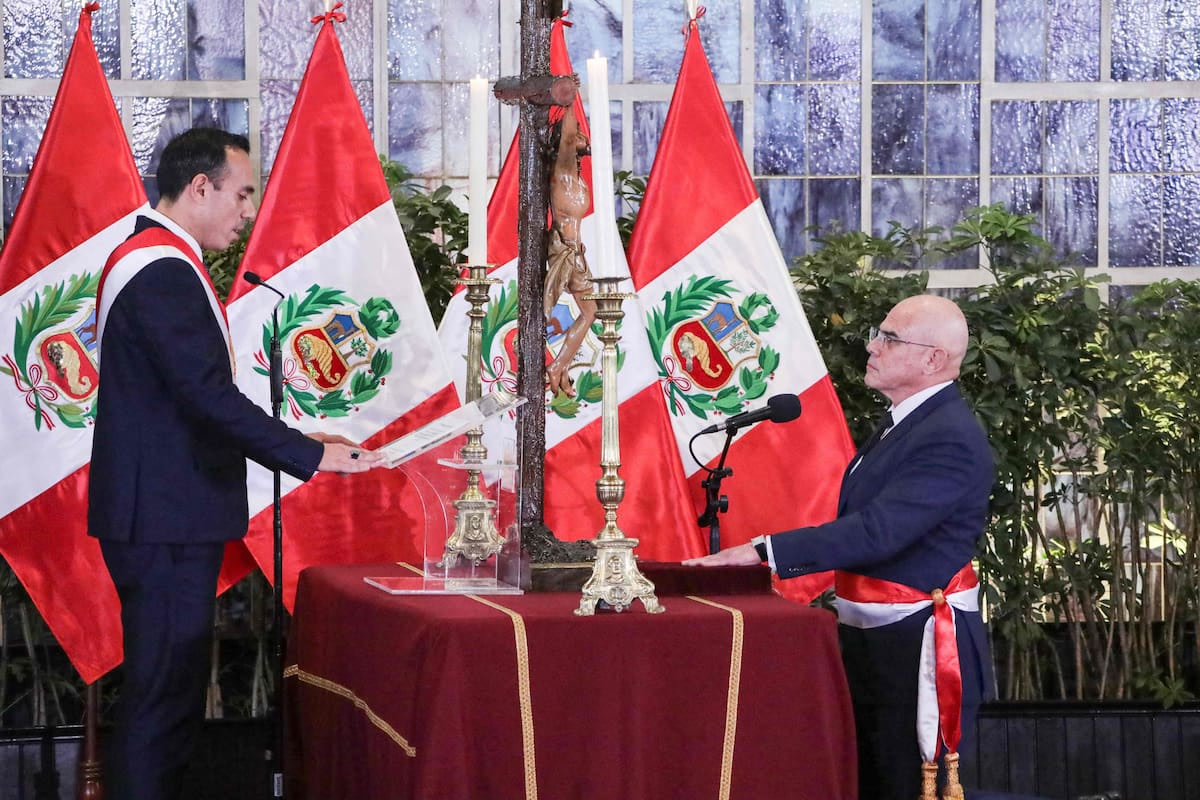
LIMA, Peru – Just five days after assuming the interim presidency, José Jerí faced significant unrest as a national strike and protests erupted across Peru, leaving at least 75 people injured, many of them police officers. The demonstrations occurred hours after the newly appointed cabinet was announced.
The controversy began with a statement from the new prime minister, Ernesto Álvarez, who described the Generation Z Peruvian youth leading the mobilization as a "band seeking to storm democracy" with the aim of controlling general elections scheduled for April. Álvarez asserted they do not represent the nation's youth.
Jerí took office following the swift impeachment of Dina Boluarte by Congress, which cited "permanent moral incapacity" as grounds for her removal. Jerí had pledged to form a cabinet of "broad base and national reconciliation." His choice for prime minister, the former constitutional judge Ernesto Álvarez, has a controversial past. On his social media, Álvarez characterized the recent mobilization not as a social protest but as a "subversive attempt to end democracy."
In September, following a protest outside Congress, Álvarez had previously referred to Generation Z as the "heirs" of the Movimiento Revolucionario Túpac Amaru, a terrorist organization active in the 1990s. Álvarez also attributed political motives to earlier protests by transport workers, suggesting they were "radicalized" and aimed at benefiting the left.
Álvarez's record includes a sexual violence accusation in 2016, though the rape complaint was later archived. During that period, he faced six complaints in the Public Ministry for alleged defamation and corruption, among other offenses.
Despite the controversy, Jerí's cabinet includes other appointments. Denisse Miralles, who served as vice minister of economy in the first half of 2025, was named minister of economy. Hugo de Zela, a diplomat who previously served as ambassador to the United States and representative to the Organization of American States (OAS), was appointed as the new foreign minister. A total of 16 ministers were named for the remaining cabinet positions.
The Peruvian Generation Z had called for nationwide marches on Wednesday to protest against Parliament and President Jerí, whom they perceive as part of a coalition similar to the one that existed between the ousted former president Boluarte and the dominant congressional blocs. The Peruvian Congress has historically suffered from very low public approval ratings, often viewed as a source of instability rather than a solution to the country's problems.
Access to Lima's Plaza de Armas was restricted from early morning due to the planned demonstrations, limiting pedestrian access to the usually bustling area frequented by both Peruvians and tourists.
According to flyers disseminated on social media, the national strike targeted four key issues: the government and Congress not representing the people; authorities' inaction against rising crime; nepotism and corruption; and the lack of employment prospects for young people and workers.
Following the cabinet's swearing-in, President Jerí addressed the public gathered in the Plaza de Armas with a megaphone, stating, "Our country needs stability, it needs tranquility. We have gone through complicated moments a couple of days ago, and our country today deserves to live thinking that tomorrow, as well as the present, can be better. Let's not lose optimism."
Meanwhile, a judge rejected a request from the prosecutor's office to prohibit Dina Boluarte from leaving the country as she faces an investigation for alleged undue use of office and money laundering. Boluarte was removed from office last week amid widespread public discontent over the country's security situation, which has fueled protests by transport workers and young people against extortion and murder.
Judge Fernando Valdez deemed the prosecution's request for a travel ban unfounded, citing no perceived risk of flight from Boluarte, who served as president from 2022 to 2025.
Boluarte's impeachment follows a pattern of dismissals and resignations of political leaders facing corruption allegations or accusations of abuse of power. Currently, three former presidents – Alejandro Toledo, Ollanta Humala, and Pedro Castillo – are imprisoned.
Peru has experienced persistent political turbulence, with frequent changes in government, leading to the South American nation having seven presidents since 2018.