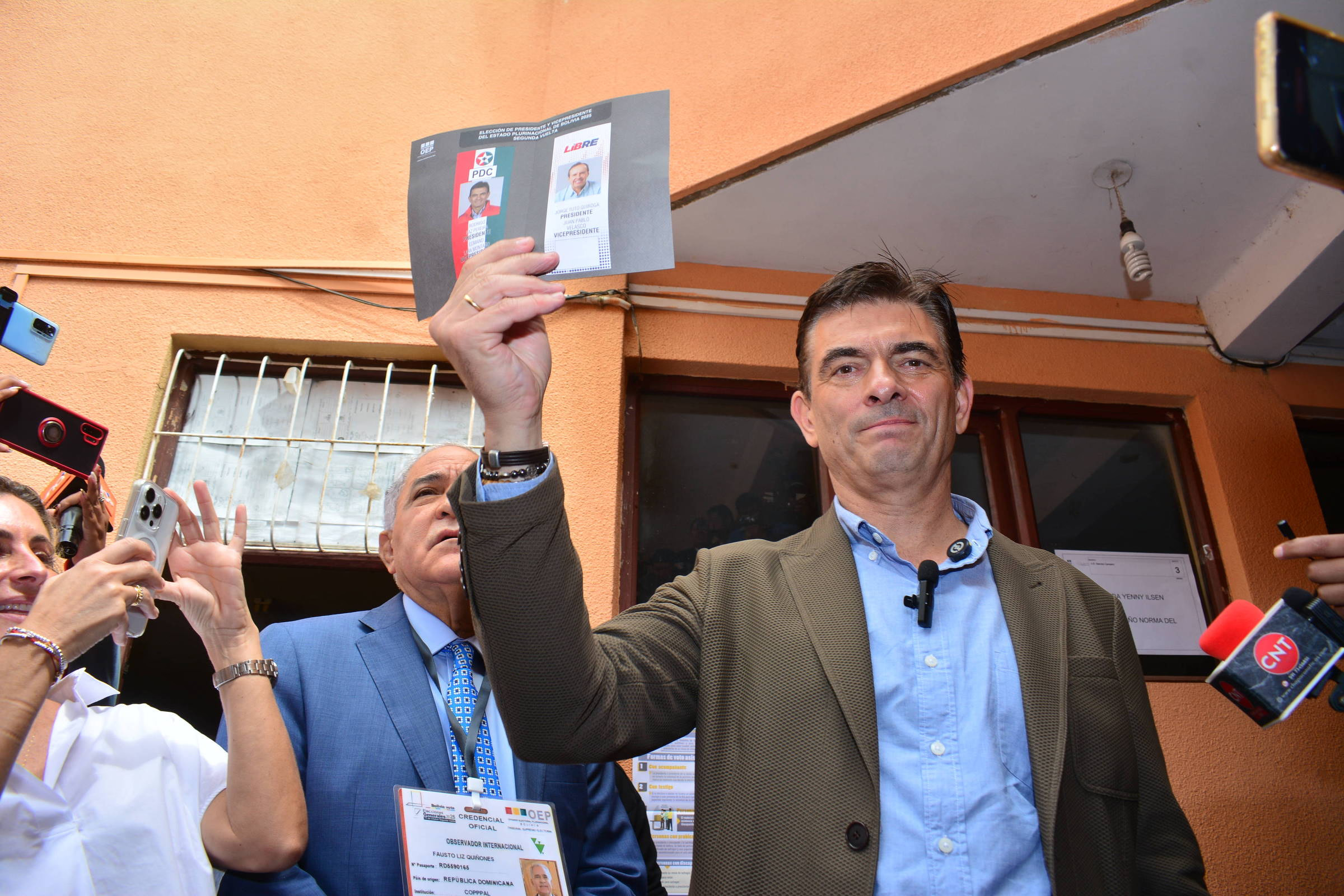
Rodrigo Paz Pereira, running on a center-right platform, secured victory in Bolivia’s presidential elections held on Sunday, bringing an end to nearly two decades of dominance by the Movement toward Socialism (MAS).
The outcome was immediately characterized by regional analysts as a further consolidation of the conservative shift currently reshaping the political landscape of South America.
Paz, the son of former President Jaime Paz Zamora, secured the victory following an unprecedented run-off election. His win seals the end of the era defined by the rhetoric of “socialism of the 21st century,” previously championed by former President Evo Morales and his successor, Luis Arce.
Regional Reactions and Ideological Alignment
The victory was met with congratulations and strong ideological statements from leaders across the continent, highlighting the political polarization gripping the region.
Brazilian President Luiz Inácio Lula da Silva congratulated Paz on Monday, stressing the importance of maintaining good bilateral relations. “The conclusion of the electoral process in a climate of tranquility and harmony demonstrates the commitment of Bolivian society to democracy,” Lula wrote on the social platform X, adding that Bolivia is a crucial partner for building a “more integrated, just, and solidary South America.”
Meanwhile, Argentine President Javier Milei, a leading right-wing figure in the region, celebrated the results as a reflection of the continent’s desire for freedom and progress. Milei asserted that the election marked a “historic day for Bolivia, which leaves behind 20 years of the failed model of ‘socialism of the 21st century,’ which so severely damaged our region.” He added that Bolivia would now reintegrate into the “free world” by focusing on economic openness and combating corruption.
Former President Evo Morales, whose political movement had dominated the country since 2006, claimed that Paz owed his victory to the “Evista vote,” suggesting that his base was crucial in defining the result.
Economic Focus and Bilateral Issues
Paz campaigned on a platform that included “capitalism for all,” responding to widespread discontent over economic crisis and fuel scarcity. In his victory speech, the incoming president distanced himself from ideological struggles, stating: “Ideology does not feed us. What feeds us is the right to work, strong institutions, and legal security.”
The incoming administration’s policies have already raised immediate concerns with neighboring states. The government of Chile expressed hope for improved relations but noted the controversy surrounding Paz’s proposal to legalize “autos chutos” (smuggled or irregular cars), many of which are reportedly stolen from Chile.
The Changing South American Map
Paz’s victory confirms a continuing trend of political volatility across South America, where governments across the ideological spectrum often face rapid political exhaustion and loss of support due to inflation, inequality, and crises of representation.
Bolivia became the fifth major South American country in recent years to elect a right-leaning leader, following shifts in Argentina, Paraguay, Peru, and Ecuador.
The new configuration leaves Brazil (under Lula), Chile (under Gabriel Boric), and Colombia (under Gustavo Petro) as the primary bastions of the political left. However, all three left-led nations are currently facing significant internal turbulence and high rates of public disapproval, further reinforcing the perception of a regional pendulum swing against established incumbents.