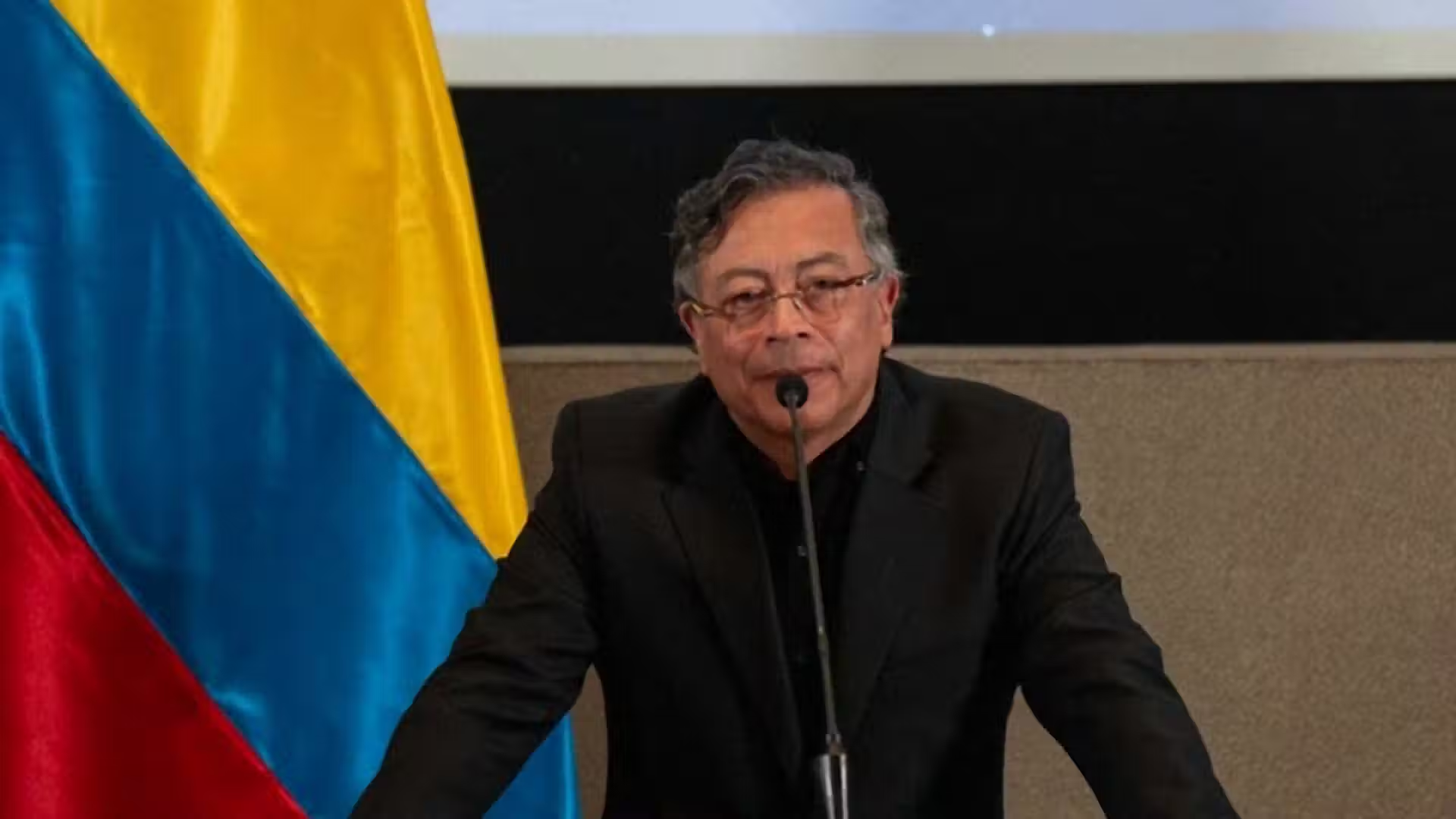
Colombia will hold its presidential election Sunday, with more than 41 million citizens voting on the country's political direction for the 2026–2030 term. The vote takes place amid one of the most tense and polarized electoral campaigns in recent decades, with the nation divided between those supporting continued leftist reforms and those backing a more conservative agenda centered on security and public order.
The election represents a contest between left and right, with contradictory proposals for addressing Colombia's decades-long armed conflict. President Gustavo Petro's government has pursued reform initiatives, while opposition sectors argue the administration has failed to contain insecurity, economic crisis, and drug trafficking advances. The political center appears weakened, unable to break the logic of confrontation that has defined the campaign.
The electoral environment has been shadowed by a resurgence of political violence. Mateo Pérez Rueda, a 24-year-old journalist working for the independent digital magazine El Confidente, was killed by Farc dissidents on May 4 while reporting on the long-running conflict between the army and paramilitaries in Briceño, in the western province of Antioquia. Pérez Rueda was one internship away from completing a degree in political science and had been financing his journalism work through bicycle delivery and selling fruit salads and juice.
Military forces have been deployed to control streets across Colombia ahead of the vote. The security presence reflects concerns about maintaining order during the election period.
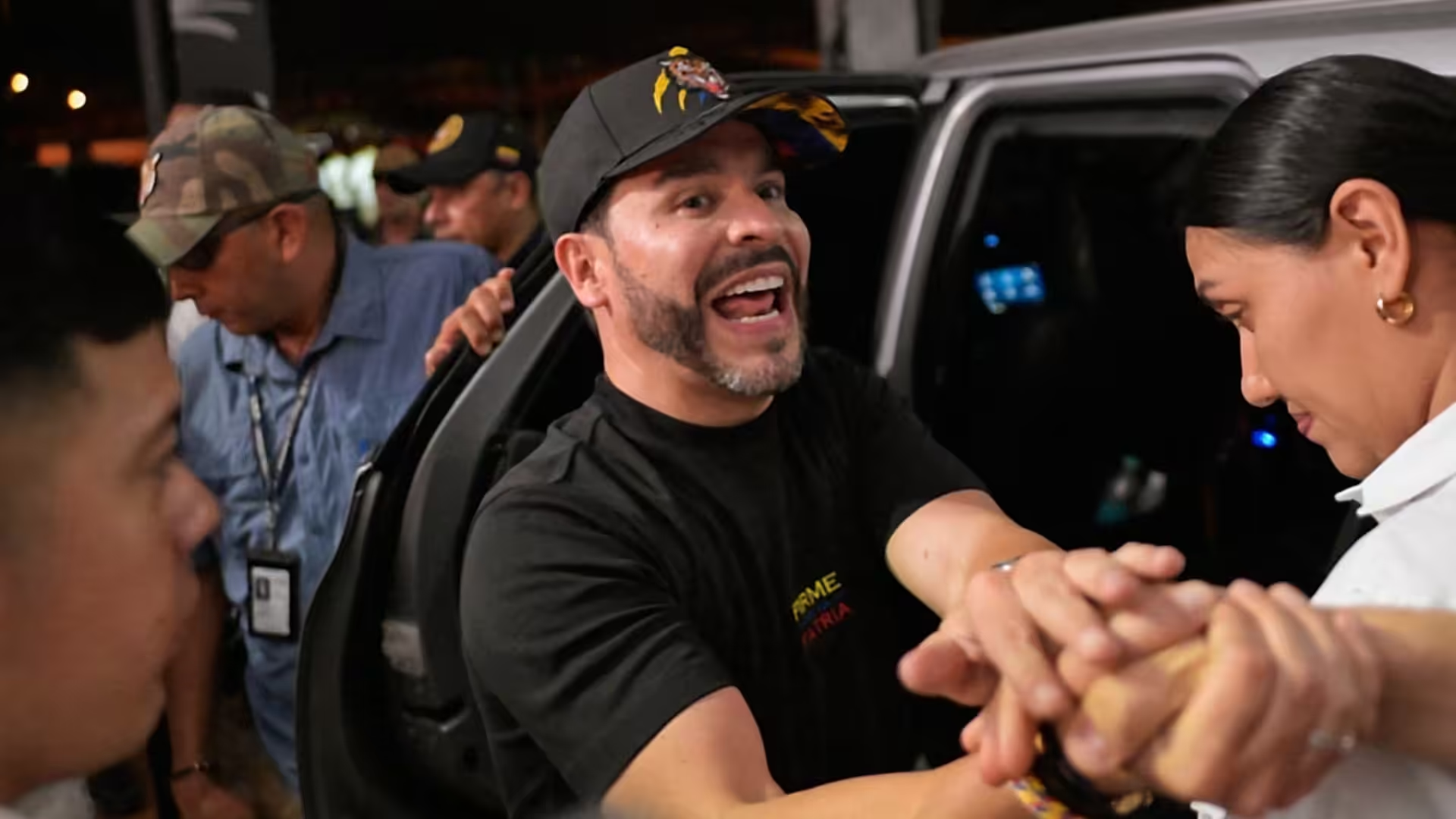
A diplomatic dispute has emerged between Colombia and Ecuador in the days before the vote. Ecuador's President Daniel Noboa announced Friday that a "security tariff" applied to Colombian imports would be eliminated beginning June 1, presenting the move as a gesture of goodwill following a video call with opposition presidential candidate Abelardo de la Espriella. Noboa stated the tariff removal came after confirming a shared commitment with De la Espriella to combat "narcoterrorism."
Colombia's Foreign Ministry rejected Noboa's characterization, calling it a "deliberate interference" in the Colombian electoral process. Officials stated that the tariff elimination does not result from a voluntary decision by the Ecuadorian president but rather from compliance with a resolution issued by the Andean Community of Nations, a regional organization. Colombia's government characterized Noboa's presentation as "deceptive," saying he misrepresented the source of the tariff removal.
The tariff dispute reflects deeper ideological disagreements between Noboa and the outgoing leftist president Petro, as well as disputes over drug trafficking enforcement. Ecuador's president has criticized what he characterizes as passivity by Colombian authorities in combating narcotics trafficking. Colombia announced it would also withdraw tariffs imposed on Ecuadorian products.