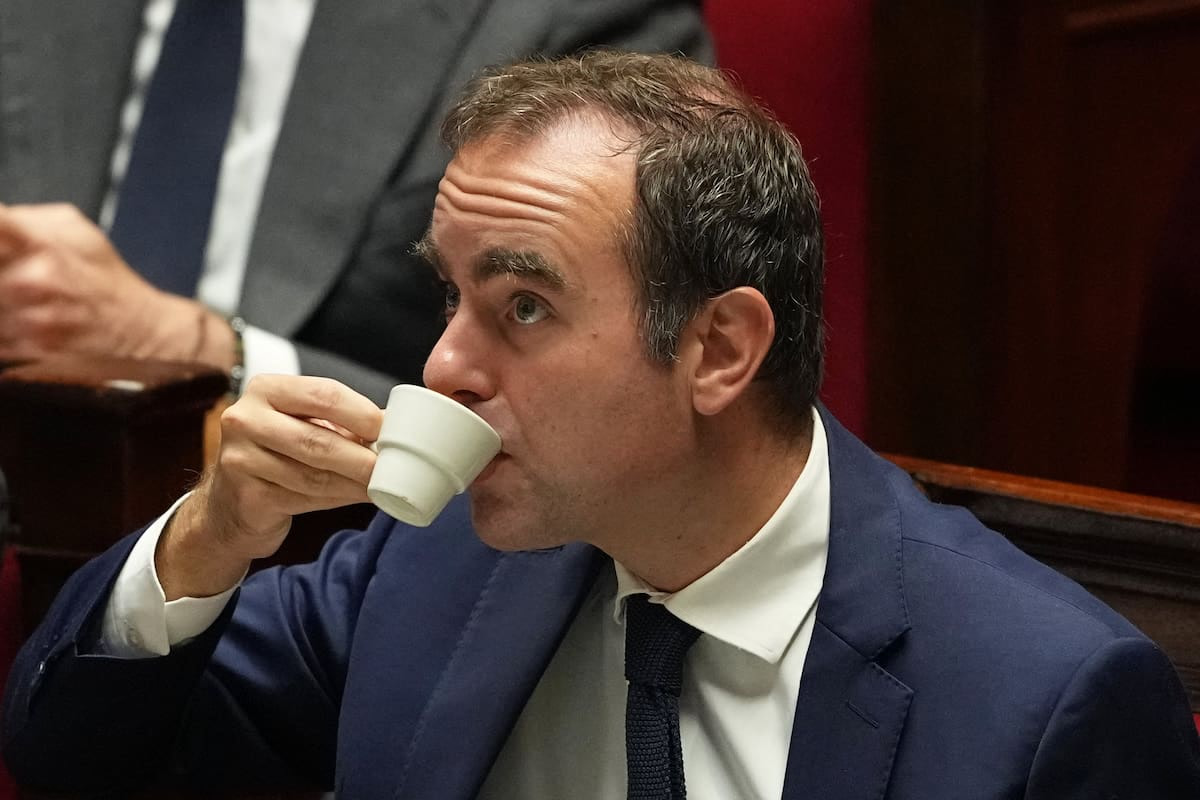
PARIS – French Prime Minister Sebastien Lecornu managed to hold onto power on Thursday, weathering two no-confidence votes in the National Assembly that threatened to topple his government.
Lecornu's administration survived a motion from the far-left La France Insoumise (LFI) party, which garnered 271 votes – falling short of the 289 needed for its adoption. A subsequent censure motion from Marine Le Pen's National Rally also failed, securing only 144 votes.
The pivotal outcome was secured partly due to the Socialist Party's decision to abstain from supporting the no-confidence efforts. This support, albeit reluctant, followed Prime Minister Lecornu's announcement regarding the potential suspension of President Emmanuel Macron's flagship pension reform, which proposed raising the retirement age from 62 to 64.
Le Pen, however, criticized the outcome, stating that MPs who backed Lecornu had prioritized saving their seats over the national interest. She reiterated her party's call for fresh elections.
With the immediate threat of a no-confidence vote averted, the government's focus now shifts to the 2026 budget. This budget, which aims to introduce spending cuts, has already proven fatal for previous prime ministers and is expected to be a contentious battleground in parliament.
Conservatives have been pushing for significant austerity measures to address a growing deficit, while left-wing parties have vowed to block such proposals. Lecornu has pledged to bring the budget to a vote without resorting to a special constitutional maneuver that bypasses parliamentary debate, a move that signals his intention to engage in negotiation.
The budget is scheduled to be presented to parliament for debate next week, following committee hearings that begin on Monday. The process is anticipated to be complex, with a fractured opposition and internal divisions within the ruling majority.
Lecornu expressed relief following the votes, stating that the necessary debates on the budget and other challenges could now begin. The survival of his government, which is the fourth in under 18 months and the sixth since Macron's re-election in May 2022, provides a fragile period of stability for France, which has experienced considerable political upheaval since the dissolution of the National Assembly in June 2024.