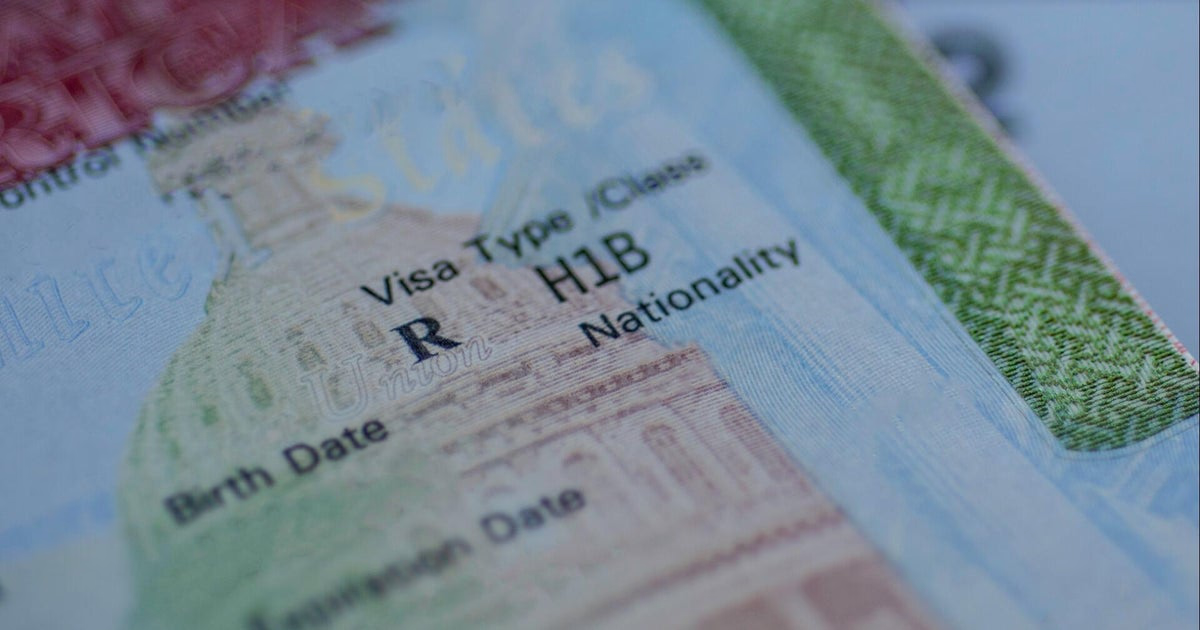
A new $100,000 fee imposed by the Trump administration on certain H-1B visas for skilled foreign workers has prompted U.S. employers to reassess hiring strategies, with retail giant Walmart Inc. announcing a pause on offers to candidates requiring the visa.
The U.S. Citizenship and Immigration Services (USCIS) clarified late Monday that the significant charge applies to new applicants living abroad and those not currently holding an H-1B visa. USCIS specified that the fee applies to H-1B applications filed on or after September 21 for workers outside the U.S. who are not existing H-1B holders. It also encompasses petitions requesting consular notification, port of entry notification, or pre-flight inspection for individuals already in the United States. Crucially, the fee does not apply to visa applicants seeking to change their visa status from one type to another, such as from an F-1 student visa to H-1B status. The $100,000 payment must be made before an H-1B visa application is filed.
President Donald Trump, in announcing the policy on September 19, stated the fee was necessary to address "abuse" of the H-1B program. He suggested some employers exploit the visa system to hire lower-paid foreign workers, thereby undercutting the wages of U.S. citizens. The White House affirmed the fee as a "lawful" and "necessary, initial, incremental step" towards reforming the program.
Walmart, the largest private employer in the U.S. and a significant user of H-1B visas in the retail sector, confirmed it would temporarily halt hiring candidates needing the visa. The company secured over 2,000 H-1B visas in the first half of 2025. While Walmart leads among retailers, the H-1B program is widely utilized across the U.S. tech sector, with companies like Amazon, Microsoft, Meta Platforms, Apple, and Google securing thousands of visas annually. India accounts for over 70% of H-1B recipients in recent years, with China being the second-largest source.
The new fee has faced strong opposition from business groups. The U.S. Chamber of Commerce filed a lawsuit against the administration, labeling the fee as "unlawful" and arguing it would make the H-1B program "cost-prohibitive" for American businesses. The Chamber stated the measure would compel companies to either increase labor costs or reduce the number of highly skilled employees they hire. A separate lawsuit challenging the policy's legality was also filed by a coalition of healthcare groups and labor unions in October.
The H-1B program has long been a subject of debate. Critics contend that it undercuts the American workforce, while supporters, including billionaire Elon Musk, argue it is vital for attracting top global talent to the U.S. Commerce Secretary Howard Lutnick previously commented on the fee, questioning whether an individual's value justifies the $100,000 payment or if employers should instead "hire an American."