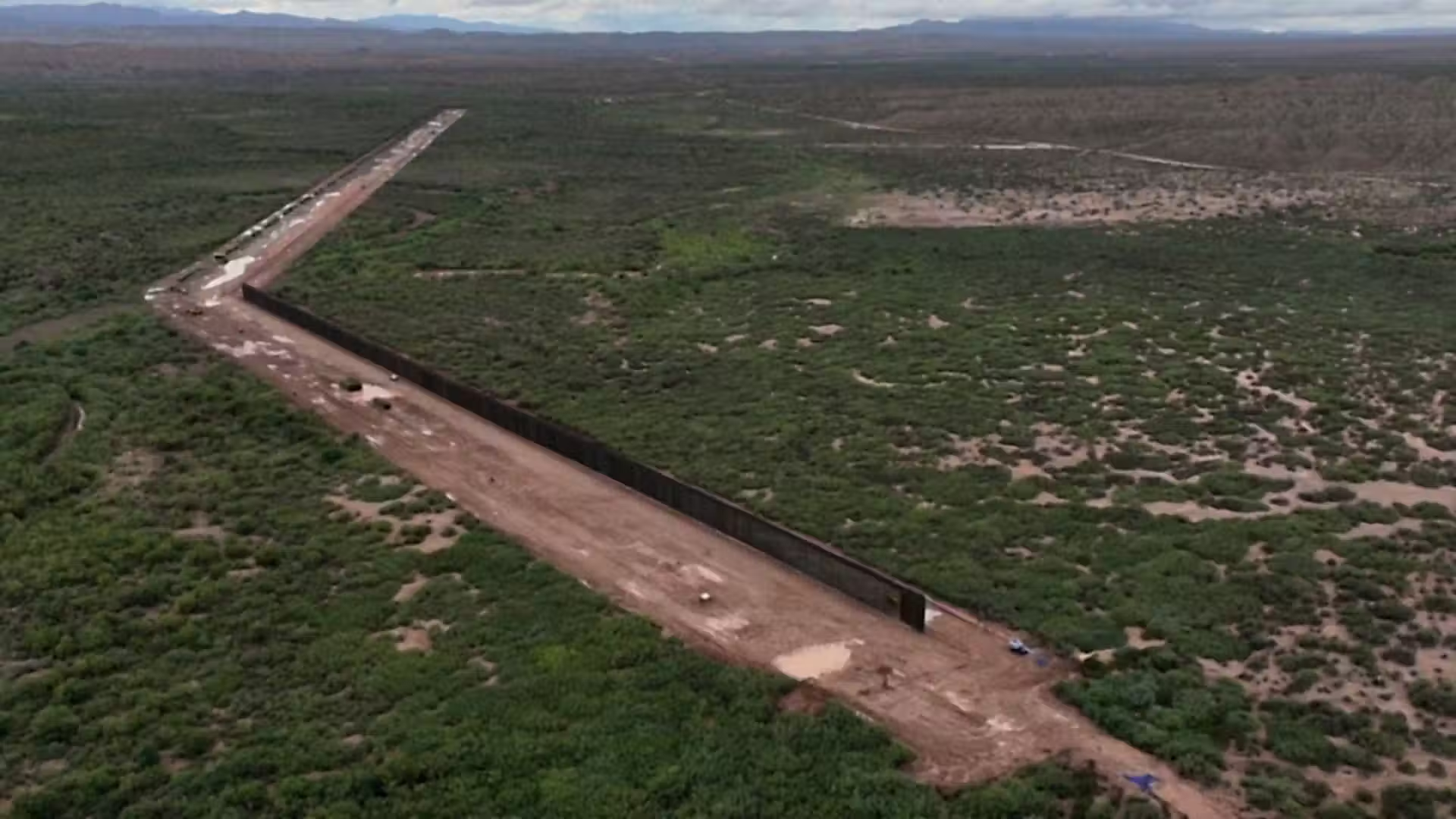
The Supreme Court cleared the way Monday for the Trump administration to resume border wall construction in the Big Bend region of Texas, allowing work to proceed while legal challenges to the project continue.
In an unsigned opinion, the justices granted an emergency appeal from Trump's lawyers and set aside a lower court order that had temporarily blocked construction along a 517-mile section of the Rio Grande. Justice Ketanji Brown Jackson was the sole dissenter, offering no explanation for her position.
The court found that federal courts lacked authority to block border construction efforts. "The balance of the equities also favors the government," the unsigned opinion stated. "Construction in the Big Bend Sector will diminish the [plaintiffs'] ability to use and enjoy the area. But Congress's enactment of [the special law]—which permits the Secretary to waive the requirements of environmental protection and other conservation laws—reflects a clear preference for expeditious border construction over the very harms" cited by opponents.
The border wall remains a signature project for President Donald Trump, who has long pledged to build a barrier extending from the Pacific Ocean to the Gulf of Mexico. Republicans in Congress funded the project last summer with $46 billion. Customs and Border Protection has been rapidly constructing approximately 12 miles of border barriers weekly across the entire border.
The Trump administration has issued sweeping waivers to bypass environmental and conservation regulations that historically slow major construction projects. The Big Bend sector would include 30-foot-tall steel walls in some areas as well as vehicle barriers.
Bipartisan opposition to the project has mobilized in Texas's Big Bend region, with critics arguing the construction represents a waste of money that threatens the area's unique landscape. Environmental groups and local residents have raised concerns about the project's impact on the scenic and rugged terrain of west Texas.
The Supreme Court's decision allows construction to proceed while the underlying legal dispute over the administration's authority to bypass environmental requirements continues through the courts.