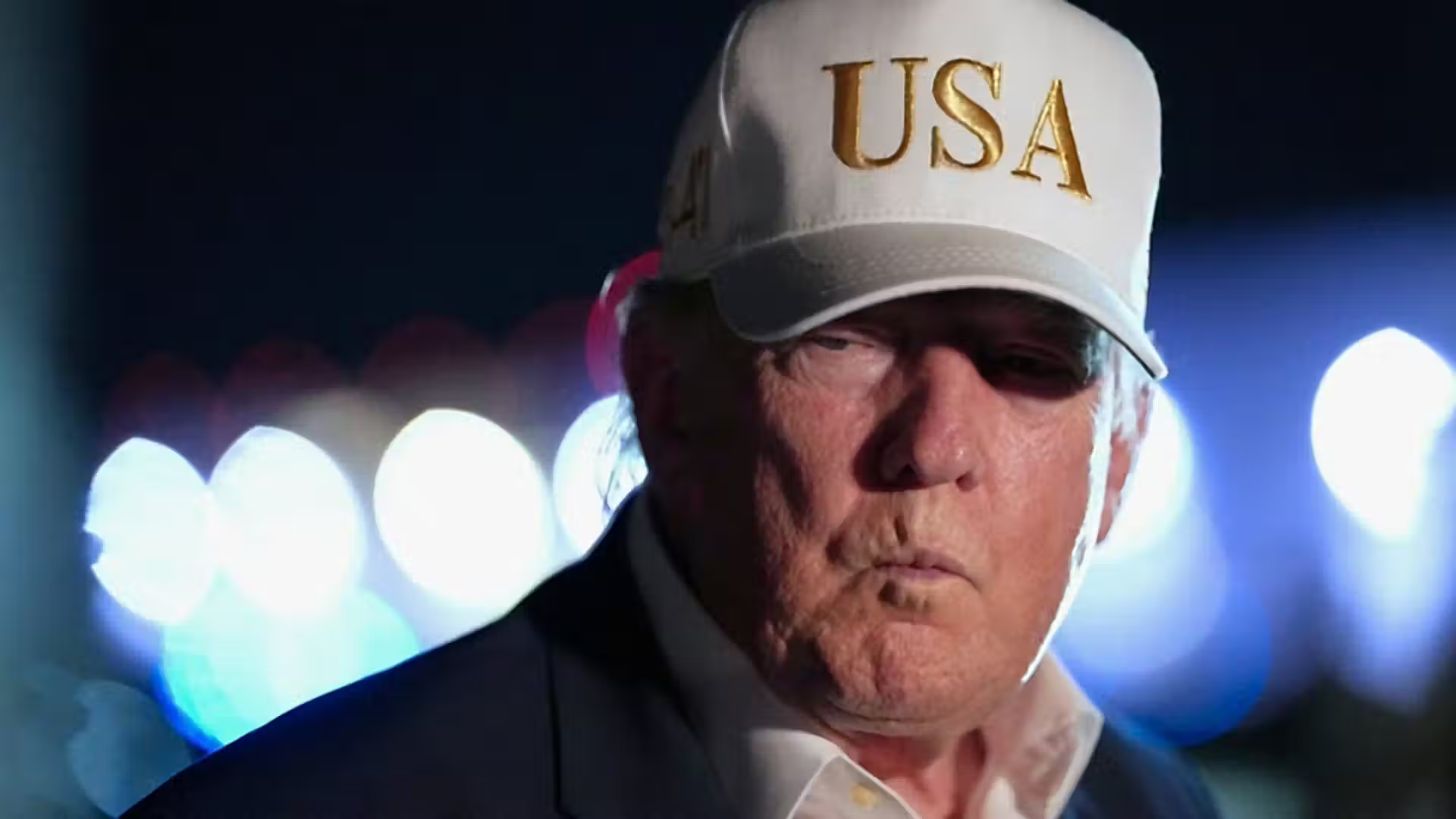
President Donald Trump acknowledged on November 9, 2026, that his administration's deportation policy may have contributed to Republican losses in the midterm elections held on November 3.
"My deportation policy might have been too tough for voters in the election," Trump said, reflecting on the electoral outcome that handed control of both chambers of Congress to Democrats.
The statement represents a rare acknowledgment from Trump regarding potential policy missteps. His immigration enforcement agenda, championed by Stephen Miller, has been a cornerstone of his administration's "America First" platform since his 2016 presidential campaign.
Miller, a longtime Trump adviser and architect of the administration's hard-line immigration policies, was recently elevated to White House chief of staff, replacing Susie Wiles. The promotion signals Trump's continued commitment to aggressive immigration enforcement despite the electoral setback.
Trump's comments come as he grapples with the political fallout from the midterm results. The Republican Party suffered significant defeats, losing control of Congress to Democrats. The outcome has prompted internal party divisions and raised questions about the viability of certain policy positions heading into the 2028 presidential cycle.
While Trump suggested the deportation policy may have been unpopular with some voters, he has not indicated plans to substantially modify the administration's immigration enforcement approach. Miller's appointment as chief of staff suggests the administration intends to maintain its hard-line stance on immigration matters.
The president's acknowledgment reflects broader debates within Republican circles about which policies resonated with voters and which may have alienated key constituencies. Immigration has remained a central issue in Trump's political messaging, but the midterm results suggest the electorate may have had concerns about the severity or implementation of deportation policies.
Trump has previously questioned the legitimacy of the November 3 midterm elections, claiming voting machine irregularities and fraudulent early voting surges. His latest comments represent a different approach, focusing on policy substance rather than election integrity claims.