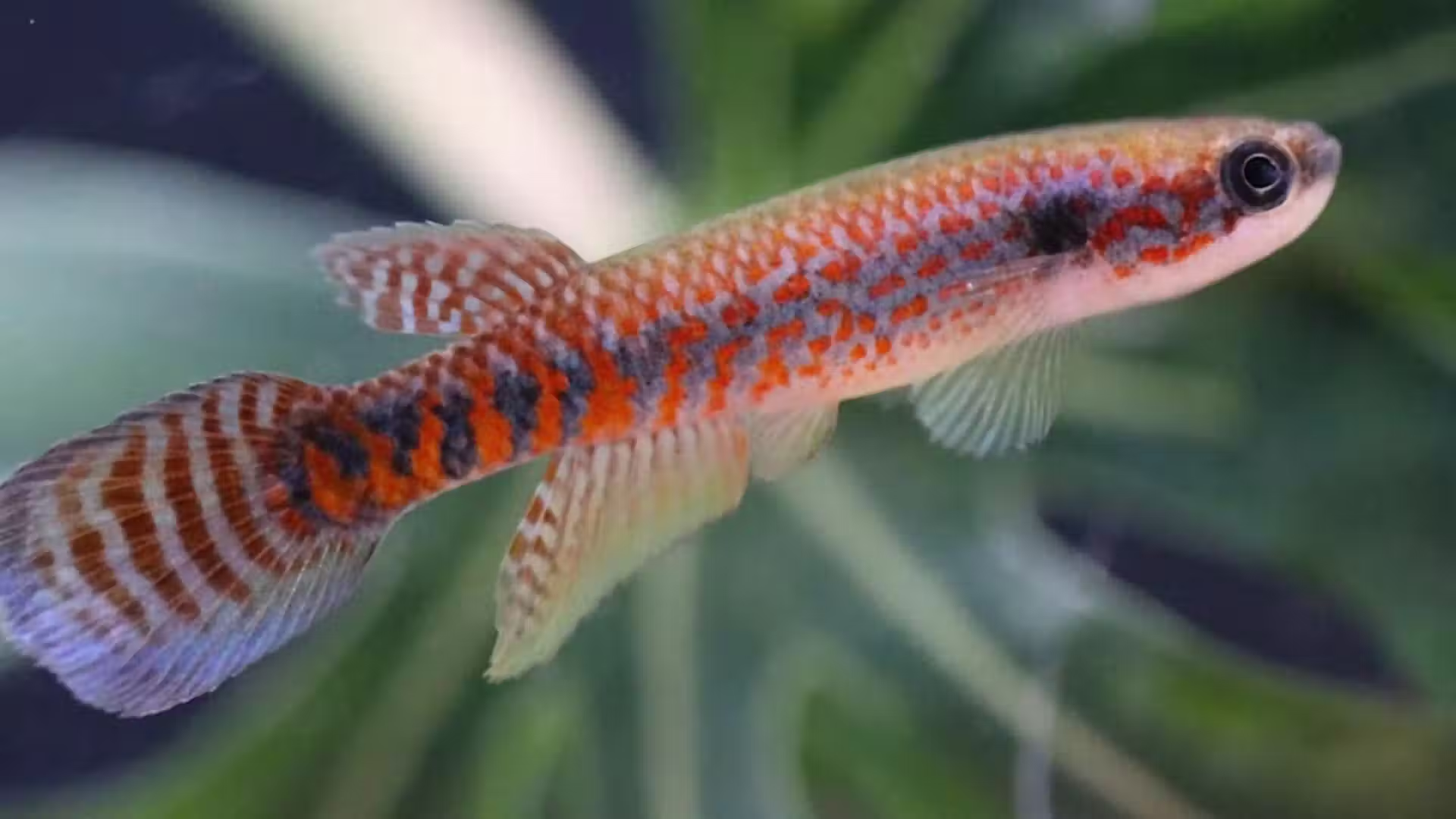
Scientists have discovered a new fish species in the Brazilian Amazon that may already be threatened with extinction. The Laimosemion laranja, measuring less than three centimeters in length, was found in only three small pools in Amapá state during fieldwork in the Rio Cajari region.
The tiny fish species faces significant environmental pressures in its extremely limited habitat. The area where the species was discovered is threatened by mining operations, deforestation, and pollution—factors that pose immediate risks to the species' survival.
The discovery highlights the vulnerability of newly identified species in the Amazon basin, where biodiversity remains incompletely documented. The restriction of Laimosemion laranja to just three small pools in a region experiencing intense human pressure creates urgent conservation concerns.
The species was identified during field research conducted in the Amapá region of northern Brazil. Scientists working in the area documented the fish in its natural habitat before recognizing it as a previously unknown species.
The Amazon rainforest contains millions of species, many of which remain undiscovered or poorly understood by science. The discovery of Laimosemion laranja underscores both the region's biological richness and the threats facing its wildlife. Mining and logging operations in Amapá have accelerated in recent years, fragmenting habitats and degrading water quality in streams and pools where species like this newly discovered fish depend for survival.
The identification of the species raises questions about how many other undocumented organisms may face extinction before they are even catalogued by science. Conservation biologists emphasize that protecting the Amazon's remaining intact ecosystems is critical for preserving species diversity and preventing the loss of species before their ecological roles and potential value to humanity can be understood.
The discovery was made public on November 9, 2026, drawing attention to the ongoing need for biodiversity surveys and habitat protection in the Amazon region.