Sudan faces mounting hunger crisis as Iran war strains aid efforts
Nearly 700 civilians killed by drones in 2026; food and fuel prices surge as Middle East conflict disrupts supplies to war-torn nation.
4:40 PM
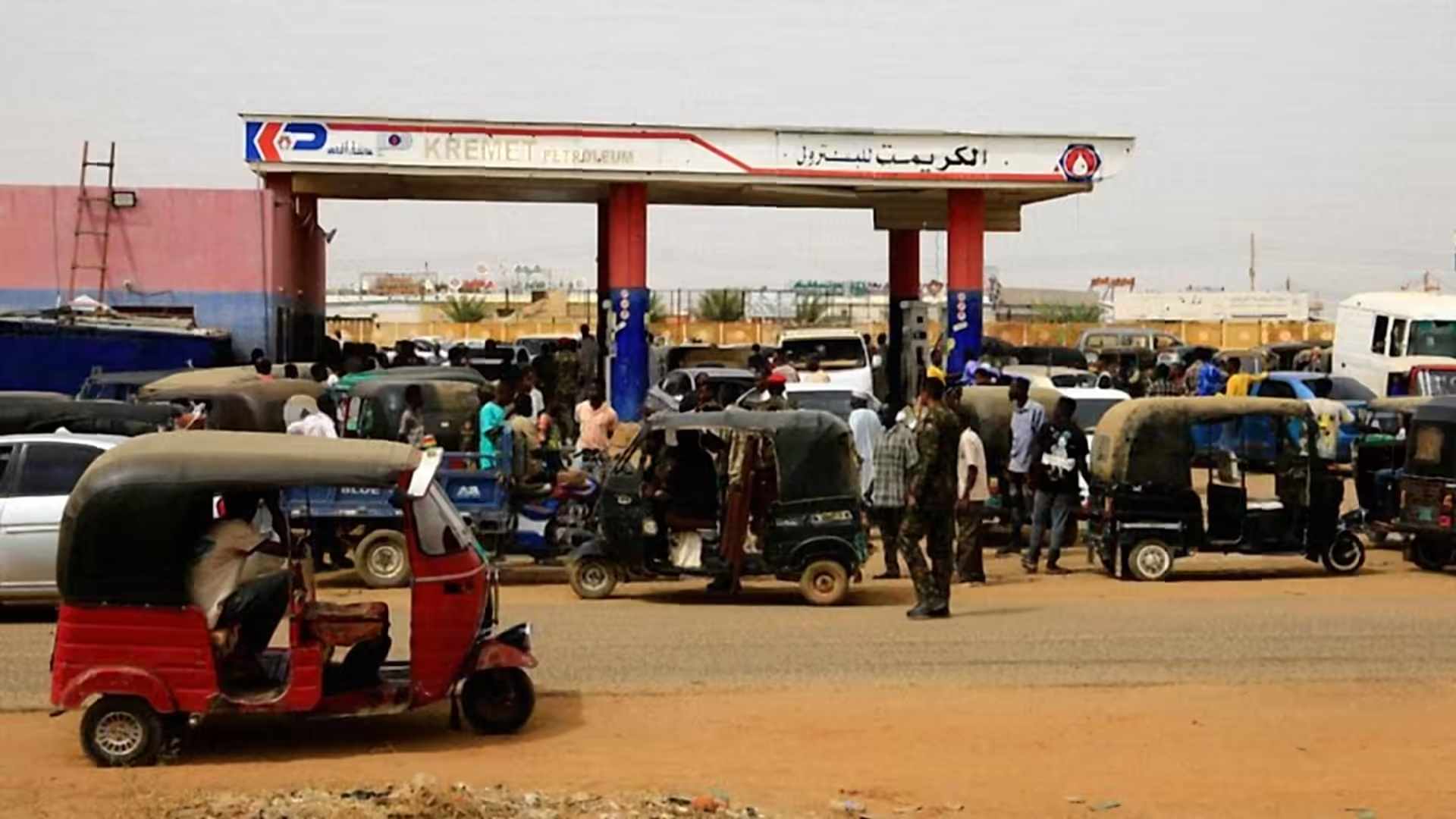
Aid officials gathered in Berlin on Tuesday for a conference on Sudan warned that the war in Iran and the wider Middle East has intensified strain on food and fuel supplies, three years into Sudan's civil war. Prices for food and fuel are rising rapidly across the country, which also depends on the Gulf region for fertilizer deliveries that are critical to future harvests.
Some 19 million people in Sudan are already at risk of acute hunger amid an entrenched internal conflict between the army and paramilitaries that has displaced more than 11 million people and effectively split the country in two. Senior officials from the German food aid organization Welthungerhilfe and the UN's World Food Program told reporters that the Iran war was having dramatic consequences for humanitarian operations in Sudan.
Nearly 700 civilians have been killed in drone strikes in Sudan since the beginning of 2026, according to the United Nations. The increasing use of drones in the conflict was noted by the UN's humanitarian chief Tom Fletcher in a statement issued on Tuesday. Near-daily drone strikes have disrupted life across Sudan, particularly in the southern Kordofan region.
The country is preparing to mark the third anniversary of the conflict on Wednesday. Tom Fletcher said the world has "failed to meet the test of Sudan" on the eve of what he described as a "grim and chastening" landmark. NGOs have expressed concern that the effects of the war in Iran are complicating efforts to provide humanitarian assistance to millions in need across Sudan.
The combination of internal conflict and external supply disruptions has created a compounding crisis. The dependency on Gulf region fertilizer supplies poses longer-term threats to harvests, while immediate price increases for food and fuel are straining populations already facing displacement and food insecurity.