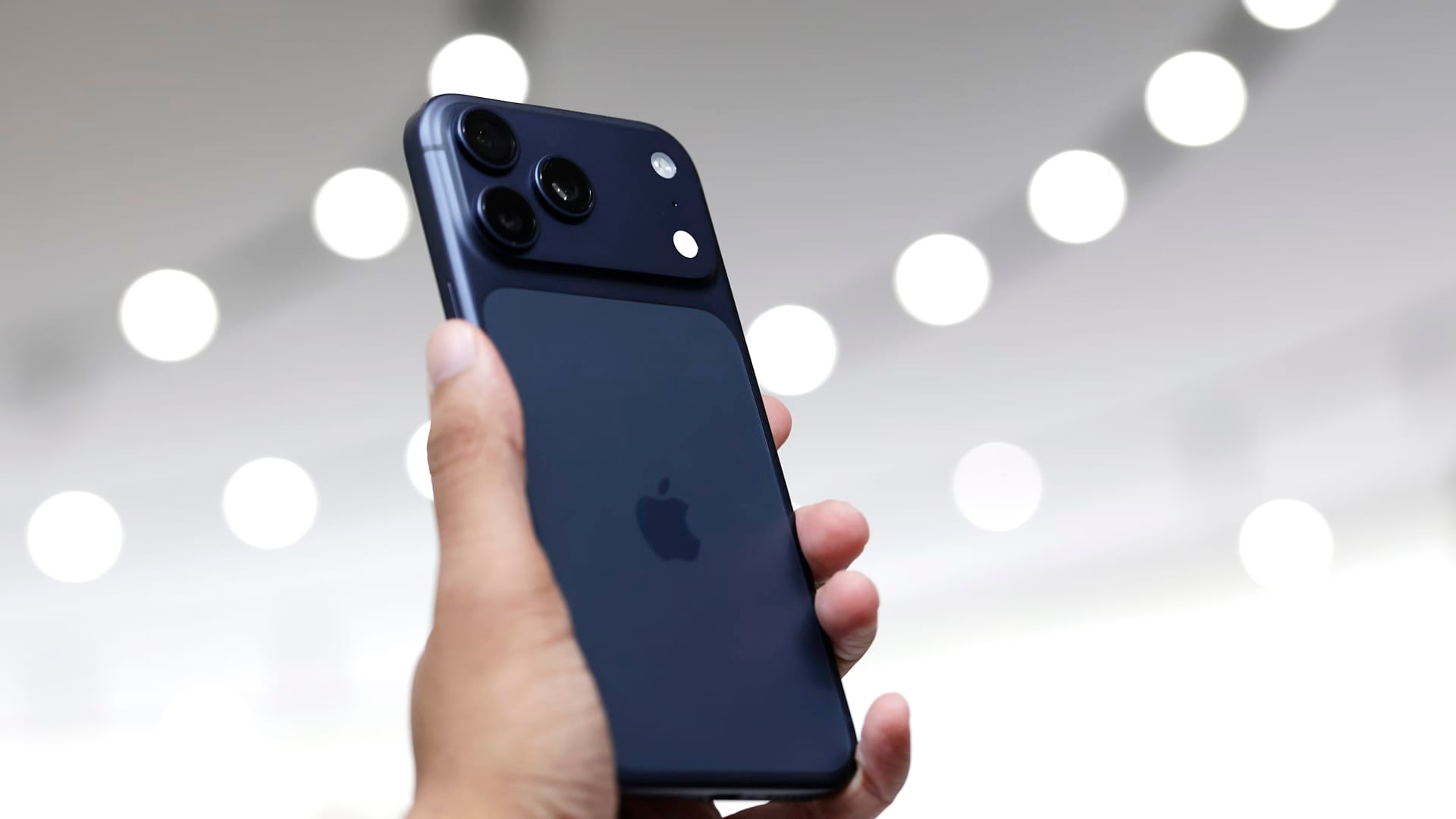
Apple shares rose 4% on Monday, October 20, 2025, after market data indicated the new iPhone 17 lineup was experiencing significantly stronger initial sales than anticipated in key global markets.
Investment firms swiftly reacted to the positive data, with Loop Capital upgrading Apple stock from a hold to a buy rating and dramatically raising its price target to $315 per share, up from $226. Analysts believe there is “material upside” to existing street expectations through calendar year 2027.
Data published by Counterpoint research showed that the iPhone 17 series, which debuted in September, outsold the previous iPhone 16 series by 14% across the U.S. and China within its first 10 days of availability. This initial surge marks the strongest sales growth for the company since the Covid-19 pandemic, according to industry experts.
Analysts attributed much of the success to the base iPhone 17 model, which was described as highly compelling to consumers. “A better chip, improved display, higher base storage, selfie camera upgrade – all for the same price as last year’s iPhone 16,” said Mengmeng Zhang, a senior analyst at Counterpoint. The perceived value, coupled with channel discounts, has positioned the device as a top choice for customers seeking upgrades.
Increased demand is also being reflected in shipment times. Analysts from Bank of America and other market observers noted that the current shipping times for the iPhone 17 are longer than in previous years, which generally signals strong product demand and potentially a wider “upgrade cycle” among existing users. The wait time for the new device is reportedly about 13% longer than for the iPhone 16 model.
Amid the strong consumer interest, analysts now predict that Apple’s smartphone revenue will return to growth, projected to rise 4% in the fiscal year ending in September, reaching $209.3 billion. The growth rate is expected to climb further, approaching 5% in fiscal year 2026.
Introducing the iPhone Air
Adding to the buzz surrounding the new lineup is the introduction of the iPhone Air, a superslim device that replaces the former Plus variant and aims to balance high performance with structural innovation. The new device is just 5.6 millimeters thick—30% thinner than the standard iPhone 17—and features a titanium body.
Reports indicated that Apple CEO Tim Cook recently visited China for the device's launch, where the iPhone Air reportedly sold out within minutes of going on sale, suggesting its popularity could further boost Apple shares, according to analysts at Evercore.
However, while the iPhone Air has been praised as a feat of engineering and design, reviews suggest the model makes certain compromises. It is equipped with a version of the A19 Pro chip that lacks the advanced cooling systems found in the more expensive Pro and Pro Max models. This limitation could trigger thermal throttling, reducing performance during intensive tasks.
Additionally, the camera system, while improved over previous generations, lacks the versatility of the Pro versions, offering limited optical zoom. The device is also notable for being the first model from the company to exclusively support the eSIM in some regions, eliminating the physical SIM card tray to free up internal space and modestly increase battery life. Despite concerns typical of super-thin devices, durability tests showed the titanium frame provided above-average resistance to bending.