
New York has surpassed the San Francisco Bay Area as the largest tech talent market by headcount in the United States, according to CBRE's 13th annual Scoring Tech Talent report released Thursday.
New York's office market is now home to 394,300 tech talent jobs, exceeding San Francisco's 375,730 positions. The shift marks the first time New York has claimed the top position in the history of CBRE's analysis spanning 13 years.
The transition has been driven in large part by artificial intelligence hiring. AI-related roles now account for nearly one-third of all tech-talent job listings across the U.S., according to the report's findings.
Office leasing activity is rising in markets where AI workers are most in demand, the analysis shows. The concentration of AI-related positions in New York has contributed to increased demand for office space in the city as companies expand their technology operations.
Related Articles
Meta to cut 10% of workforce as AI investment accelerates
Meta will lay off approximately 8,000 employees starting May 20 and halt hiring for 6,000 open positions.
Visa cuts 7% of workforce as AI reshapes operations
The payments processor plans to eliminate about 2,600 jobs, primarily in technology and product teams, as it pursues efficiency gains.

Coinbase cuts 14% of workforce, citing AI acceleration
The cryptocurrency exchange is laying off roughly 700 employees and restructuring operations to reduce costs and integrate artificial intelligence across its business.
Miami's cost of living now exceeds New York City's for first time
The Miami-Fort Lauderdale-West Palm Beach metro area has surpassed New York City in overall cost of living, driven by rising housing costs and insurance premiums.

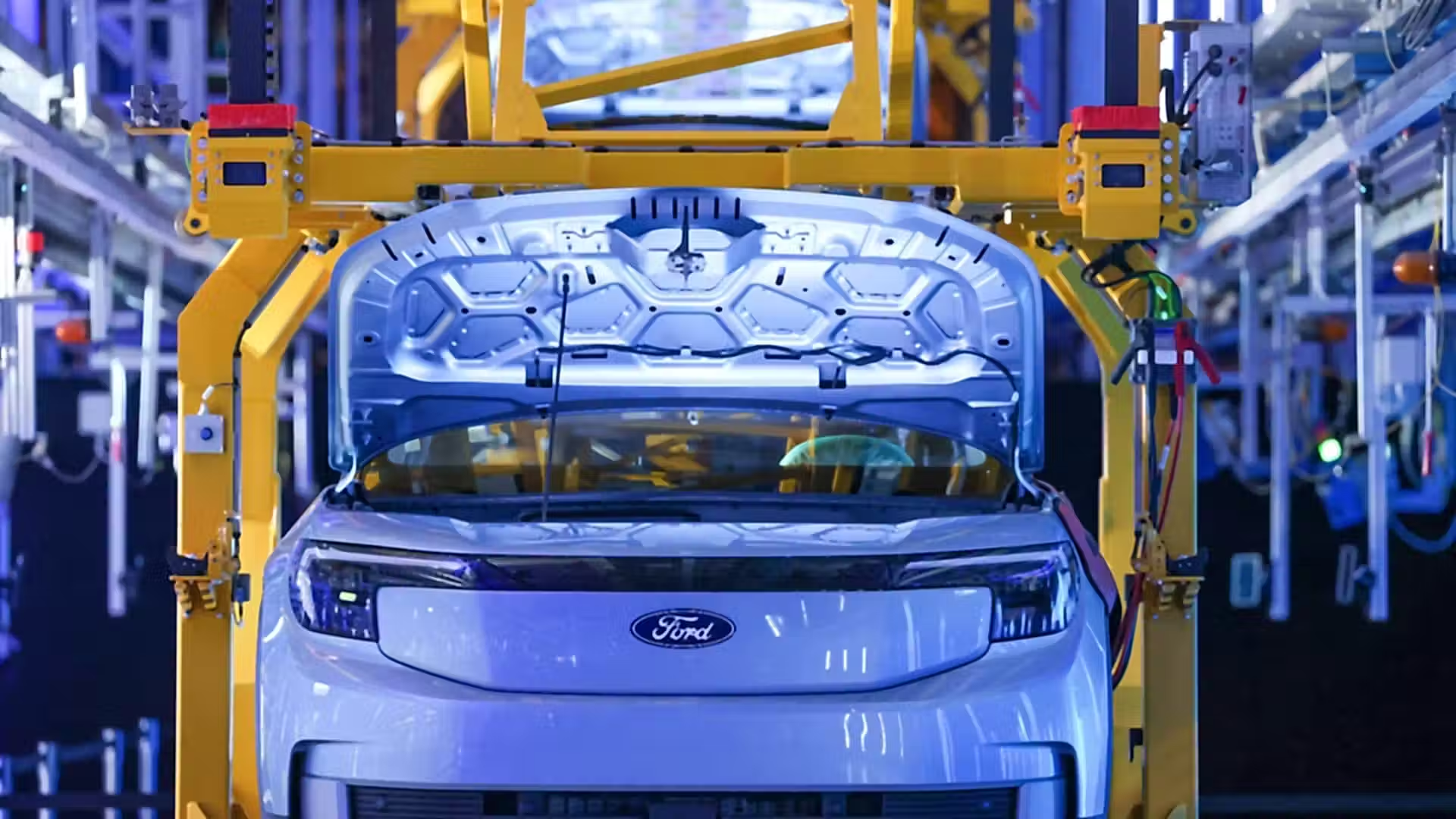
Ford rehires human engineers after AI fails quality checks
The automaker rehired over 300 veteran quality inspectors after automated systems fell short, citing the need for experienced human judgment in production oversight.
US GDP grows 2% in first quarter as consumer spending slows
First-quarter economic growth accelerated to 2%, driven by AI investment and government spending, while consumer spending weakened amid Iran war energy costs.