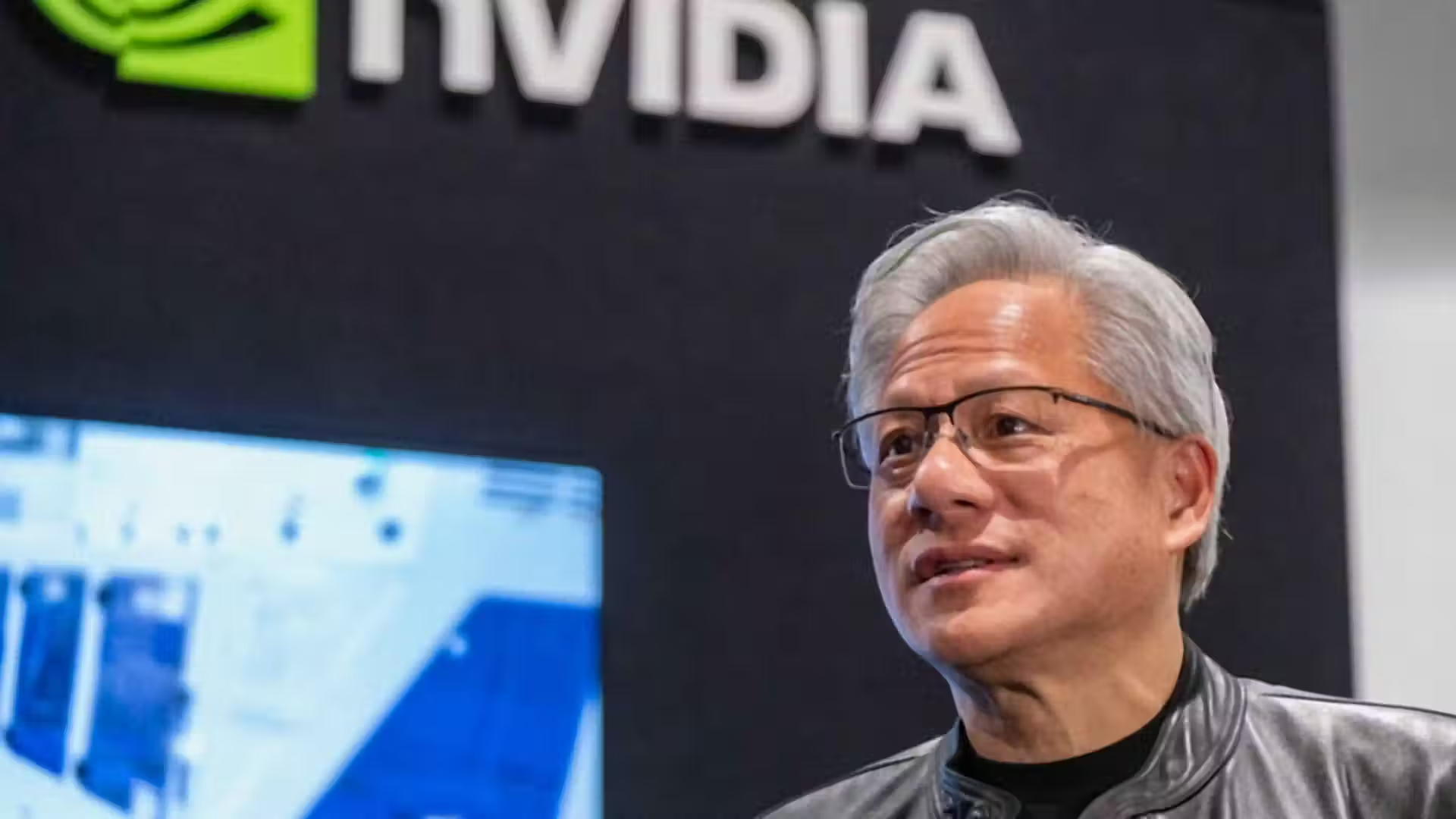
Nvidia's stock price plummeted approximately 8 percent on Monday, November 9, 2026, erasing more than $350 billion in market value after the company disclosed that Chief Executive Officer Jensen Huang had been the target of a foreign intelligence operation.
The sharp decline occurred at the opening of trading on the Nasdaq exchange, though the stock recovered somewhat during the session. The sell-off reflects mounting concerns about the company's leadership and security vulnerabilities at a critical moment for the artificial intelligence industry.
Nvidia announced that it was investigating information indicating Huang had been targeted by a foreign intelligence service. The company also disclosed that Huang had acknowledged maintaining an extramarital relationship. U.S. intelligence agencies have expressed suspicion that a woman identified as Alice Huang, also known as Huang Le, was recruited by Chinese intelligence services and had an intimate relationship with the CEO.
The timing of the disclosure compounds existing pressures on Nvidia's valuation. The stock has declined more than 20 percent from its peak one month earlier, and gains accumulated since the beginning of 2026 were entirely erased during the previous week. The decline reflects broader concerns within the technology sector about the sustainability of massive data center infrastructure expansion that has driven artificial intelligence development.
Nvidia manufactures chips widely used in AI data centers, which have been deployed globally at an accelerating pace in recent years, generating substantial profits for the company and its investors. The company's market capitalization exceeded $5 trillion in the spring of 2026, making it the world's most valuable corporation at that time.
Huang stated that he would cooperate fully with the investigation into the foreign intelligence operation. The disclosure raises significant questions about corporate security practices at one of the world's most strategically important technology companies, particularly given the sensitive nature of artificial intelligence development and the geopolitical competition between the United States and China over AI capabilities.