OpenAI announced the launch of its own web browser, ChatGPT Atlas, on Tuesday, October 21, 2025, signaling a major structural shift in the technology sector and escalating its direct rivalry with Google. The launch immediately impacted the market, with shares of Google parent company Alphabet falling by approximately 3% to 4% following the news.
OpenAI CEO Sam Altman described the release as a "rare once-a-decade opportunity to rethink what a browser can be about." While Atlas is designed to look and feel similar to existing browsers, its core differentiator is its integration with the company’s generative chatbot, ChatGPT.
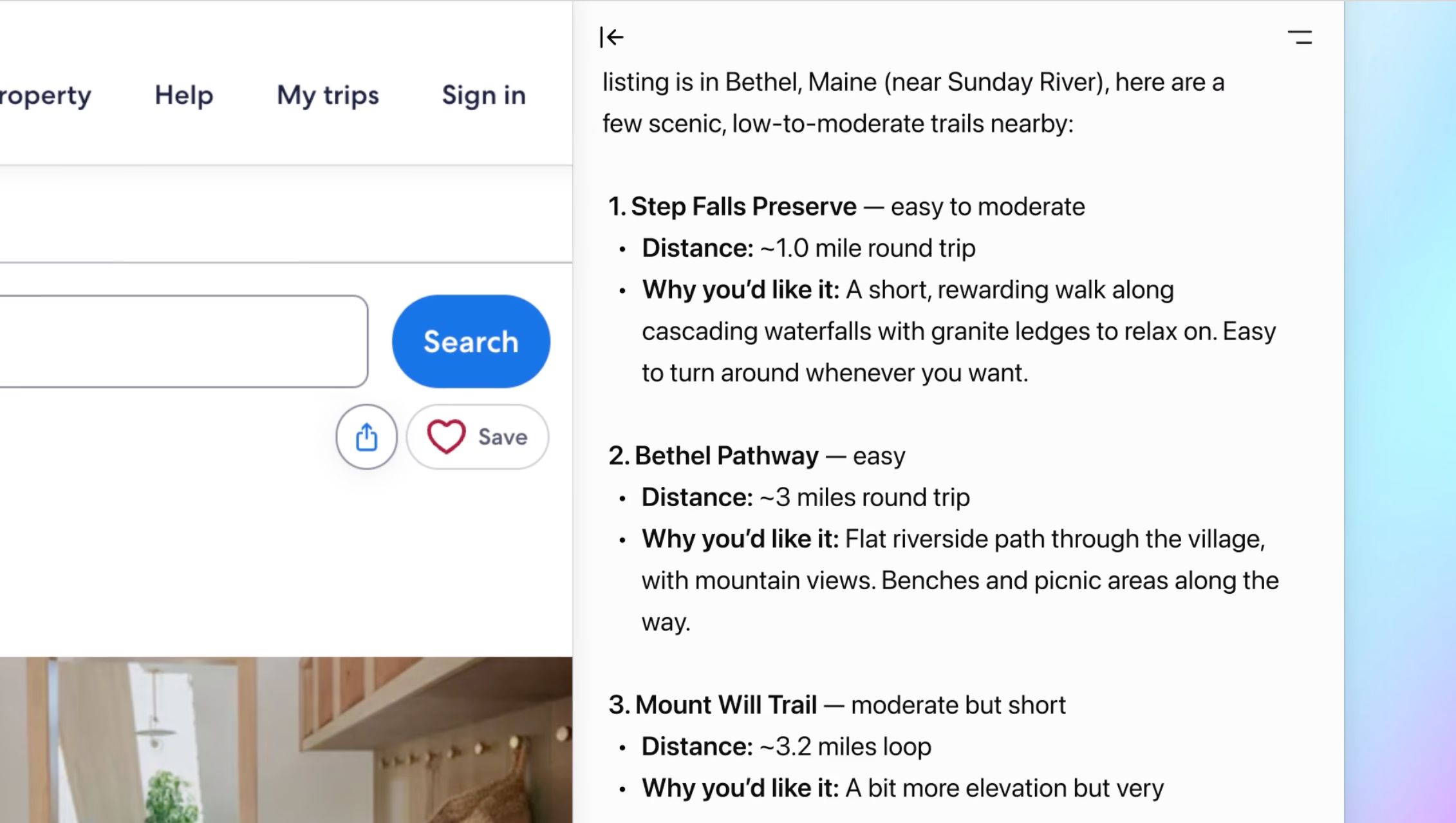
OpenAI product lead Adam Fry explained during a livestream that Atlas allows users to access ChatGPT functions—such as creating summaries, asking questions, and completing tasks—seamlessly across any web page. This feature eliminates the need for users to copy and paste content between tabs.
Atlas is also equipped with "browser memory," enabling it to understand users and become more personalized over time. Furthermore, the browser possesses "agentic capabilities," allowing ChatGPT to take actions for the user, such as booking reservations, arranging flights, or editing documents. The advanced agent mode, however, is initially only available to Plus and Pro subscription users.
Atlas debuted on Tuesday for macOS users worldwide, with OpenAI stating that versions for Windows, iOS (Apple mobile phones), and Android (Google’s operating system) are expected soon. Altman acknowledged that the project is still in its early stages, noting there is “a lot more to add.”
OpenAI, currently valued at more than $500 billion, is the world’s most valuable startup. With more than 800 million users accessing ChatGPT (many of them for free), the company has been actively seeking new avenues to generate revenue. The high costs associated with deploying AI infrastructure, through partnerships with companies like Nvidia and Oracle, mean the company is losing more money than it earns, reports indicated. By becoming a potential new gateway to internet searches, OpenAI hopes to attract more traffic and capture income from digital advertising.
The launch of Atlas directly challenges Google Chrome, which currently dominates the global market with nearly 3 billion users. The intense competition is highlighted by the fact that the announcement comes just months after an OpenAI executive admitted the company’s interest in potentially purchasing Chrome, should a federal judge have required its sale to address antitrust concerns related to Google’s search dominance.
OpenAI is not the only company leveraging AI in the browser space. Google recently embedded its Gemini AI model within Chrome in September, and competitor Perplexity AI rolled out its Comet browser earlier this month. Despite the aggressive moves by rivals, Alphabet defended its position in recent earnings reports, stating that its core search business continues to grow strongly.