U.S. intelligence doubts Venezuela interim leader will fully cooperate with Trump
U.S. officials express skepticism about Delcy Rodríguez's willingness to sever ties with Iran, China, and Russia despite public commitments.
January 28, 2026
U.S. intelligence officials have raised serious doubts about whether Venezuela's interim president Delcy Rodríguez will fully cooperate with the Trump administration, according to government officials familiar with the assessments revealed Wednesday.
The intelligence reports question whether Rodríguez will formally cut ties with international allies of the former chavista regime, including Iran, China, and Russia. U.S. officials have publicly stated they want Rodríguez to sever relations with these countries, including expelling their diplomats and advisers from Venezuelan territory.
Rodríguez assumed the interim presidency following the U.S. military operation in early January that captured former Venezuelan president Nicolás Maduro, who is now in a U.S. jail awaiting trial. The first lady of Venezuela, Cilia Flores, was also taken in the operation. Representatives from Iran, China, and Russia attended Rodríguez's inauguration ceremony earlier this month, but she has not yet publicly announced any measures to break ties with these nations.
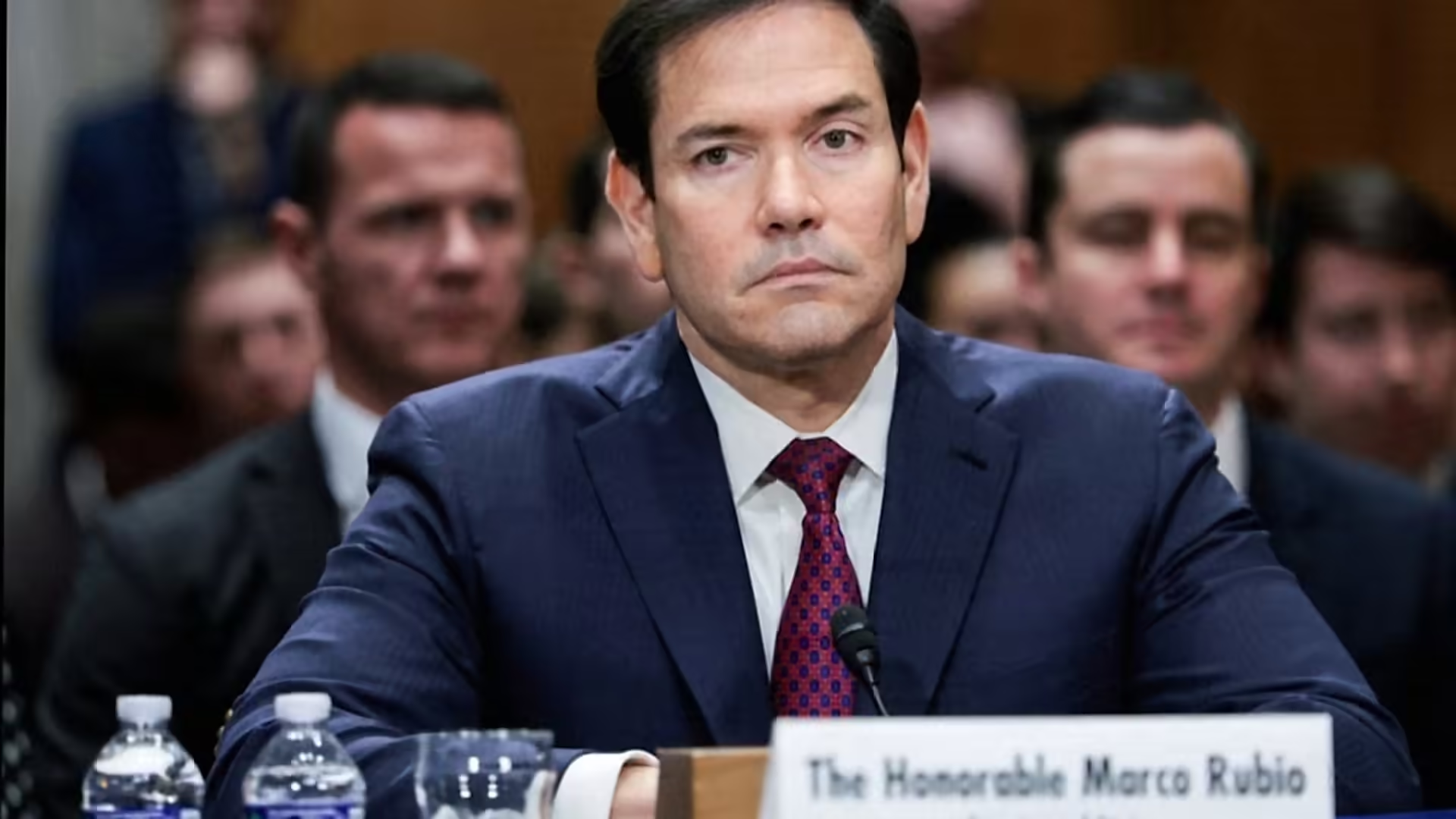
U.S. Secretary of State Marco Rubio testified Wednesday before the Senate Foreign Relations Committee on the Trump administration's Venezuela policy. Rubio stated that the U.S. will closely monitor the performance of interim authorities as they cooperate with a phased plan to restore stability to Venezuela.
"Make no mistake, as the president has stated, we are prepared to use force to ensure maximum cooperation if other methods fail," Rubio testified. He added that he hopes such action will not be necessary and that Rodríguez's self-interest will lead her to cooperate decisively with the United States.
During the hearing, Rubio noted that Rodríguez has committed to cooperating with the U.S., opening Venezuela's energy sector to American companies, and cutting off petroleum support to Cuba. The U.S. has begun unfreezing Venezuelan funds that were previously frozen under sanctions as part of a working agenda with the new government.
The Senate Foreign Relations Committee hearing came after months of discussion about U.S. policy toward Venezuela. Democratic Senator Tim Kaine of Virginia noted that the first U.S. strike on alleged drug boats in the Caribbean took place on September 2, 2025, some five months before Maduro's removal from power.
During Rubio's testimony, a protester interrupted his remarks, demanding that the U.S. remove its hands from Venezuela and Cuba before being escorted out by security.