The United Nations Security Council faces a deadline of December 31 to select a successor to Secretary-General Antonio Guterres, with officials scrambling to draft contingency plans after eight rounds of voting have failed to produce agreement among the council's five veto-wielding members.
The council is expected to hold another secret ballot this week. The failure to reach consensus has exposed what analysts describe as a decline in the veto powers' willingness to compromise, exacerbated by a U.S. administration that increasingly sidelines the UN and is distracted by its own foreign entanglements, according to observers.
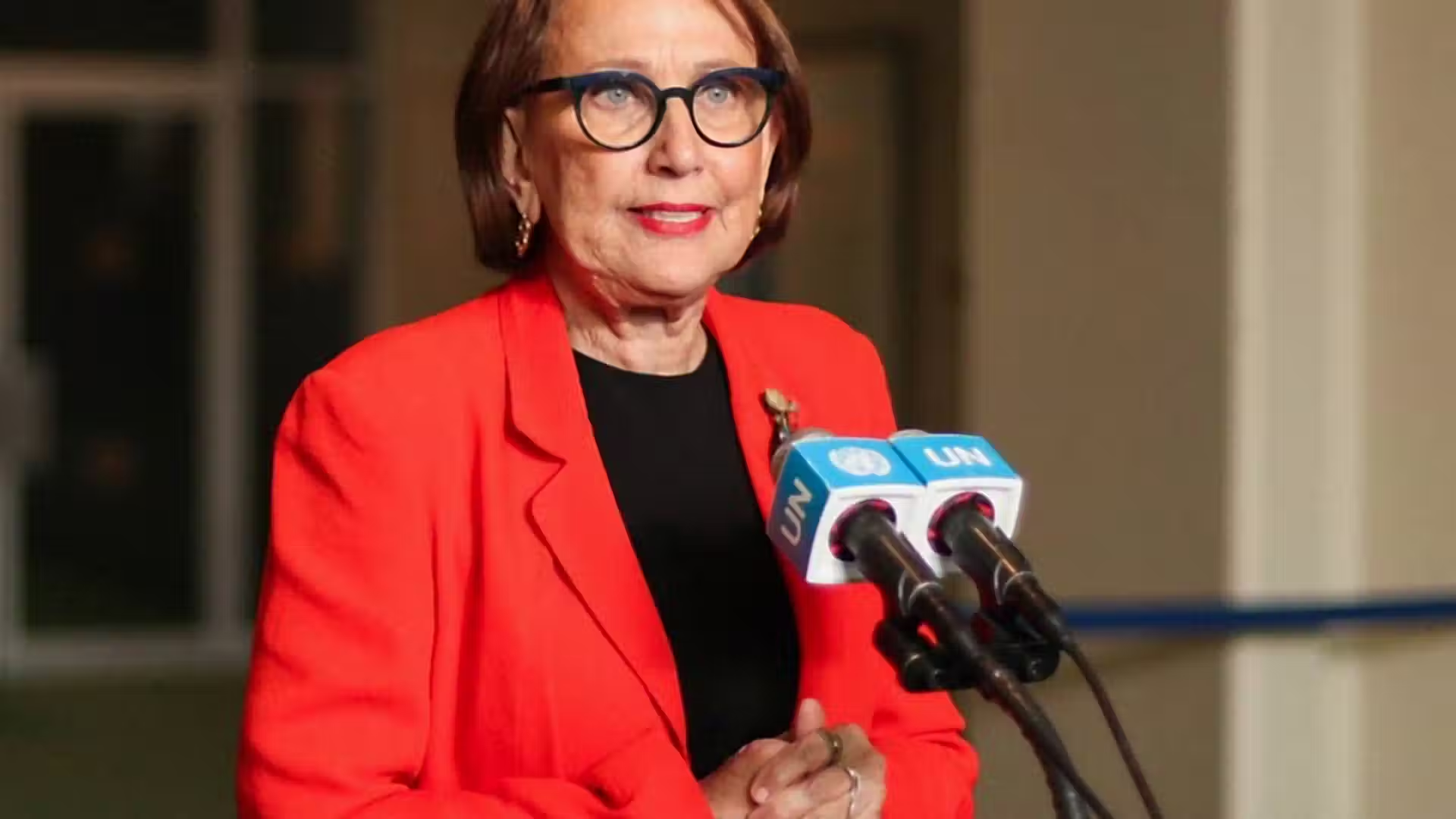
The contender field includes mostly longtime UN insiders. Rebeca Grynspan is the frontrunner, though she has limited global name recognition. Senior United Arab Emirates diplomat Lana Nusseibeh also remains in contention despite pushback over accusations that her country has backed the paramilitary Rapid Support Forces in Sudan's civil war. The UAE denies the allegation.
The selection process relies on secret straw polls in which Security Council members vote "encourage," "discourage" or "no opinion." Results are not published but leak quickly. Once a frontrunner emerges, the council votes on a resolution recommending that candidate to the 193-member General Assembly, which has never rejected the council's choice.
The UN Charter is silent on how to handle a leadership vacancy. A secretary-general has never ended their term without a replacement. A September briefing by 1 for 8 Billion, a campaign for a more open selection process, mapped possible routes including the council naming an acting chief or the General Assembly extending a term on its own, though each faces hurdles.
Daniel Safran-Hon, a former UN official, said that if no secretary-general is in place on January 1, the lights would stay on and the Security Council and General Assembly could keep meeting. "But it's a bit like a supertanker where the captain dies: the first officer can do lots of things, but there are certain things you can't do. You can't do senior appointments. You can't do the budget," he said.
Richard Gowan, a UN expert at the International Crisis Group, said reaching the end of the year without a secretary-general selected for 2027 "would be excruciatingly embarrassing for the veto powers, and it would give a lot of ammunition to the many UN member states who say that the P5 no longer have the credentials to run this organization."