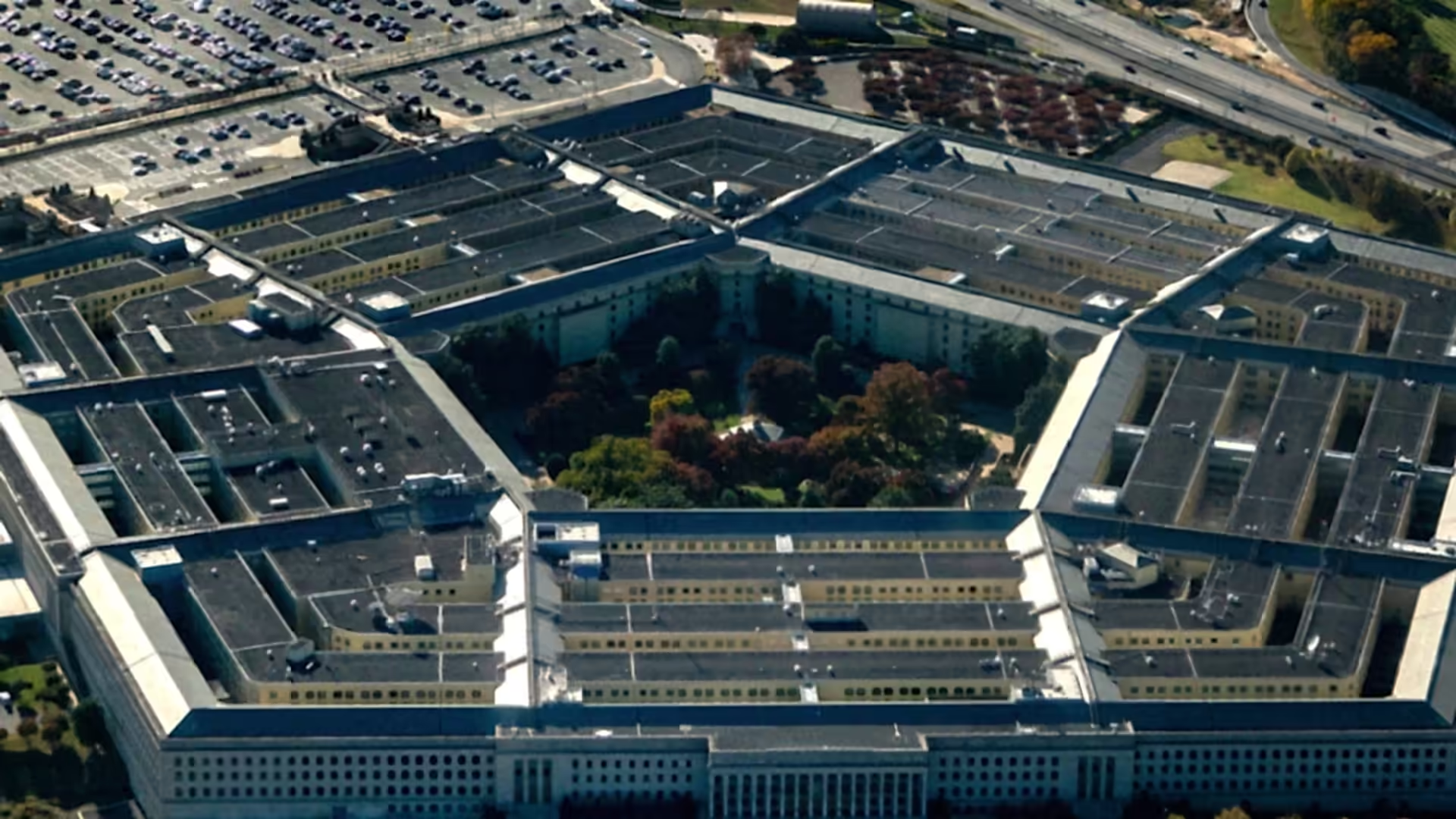
Pentagon closes press area, imposes escort requirements after court ruling
The Defense Department announced new restrictions on journalist access Monday, including relocating press offices outside the main building and requiring escorts.
10:43 AM
The Pentagon announced Monday that it would close its designated press workspace and impose new restrictions on journalist access, days after a federal judge ruled that the department's previous press policy was unconstitutional.
Sean Parnell, the Pentagon's chief spokesman, announced the changes in a memo to senior Pentagon leadership. The Correspondents' Corridor, which journalists have used for years to cover the military, will be closed effective immediately. A new workspace will be established in an annex facility outside the Pentagon building but still on Pentagon grounds.
Under the new policy, all journalist access to the Pentagon will require escort by authorized Department of Defense personnel. Credentialed journalists will no longer be permitted to move freely within the building.
The announcement comes after a federal judge on Friday struck down major portions of a Pentagon policy adopted in October 2025. That earlier policy had empowered the Pentagon to declare journalists "security risks" and revoke their press passes if the department believed they engaged in conduct threatening national security. The case was brought by The New York Times.
Pentagon officials attributed the new restrictions to "security risks," according to Parnell's statement. The Defense Department, led by Secretary Pete Hegseth, characterized the changes as a new approach to limiting media access following the court's decision.
The relocation of press offices and the escort requirement represent the latest measures affecting journalists' ability to cover the Pentagon. The restrictions follow a series of actions taken by the Trump administration and its officials against journalists, particularly when coverage has been critical of administration positions.
The Pentagon indicated it intends to appeal the federal judge's ruling that found the previous policy unconstitutional.