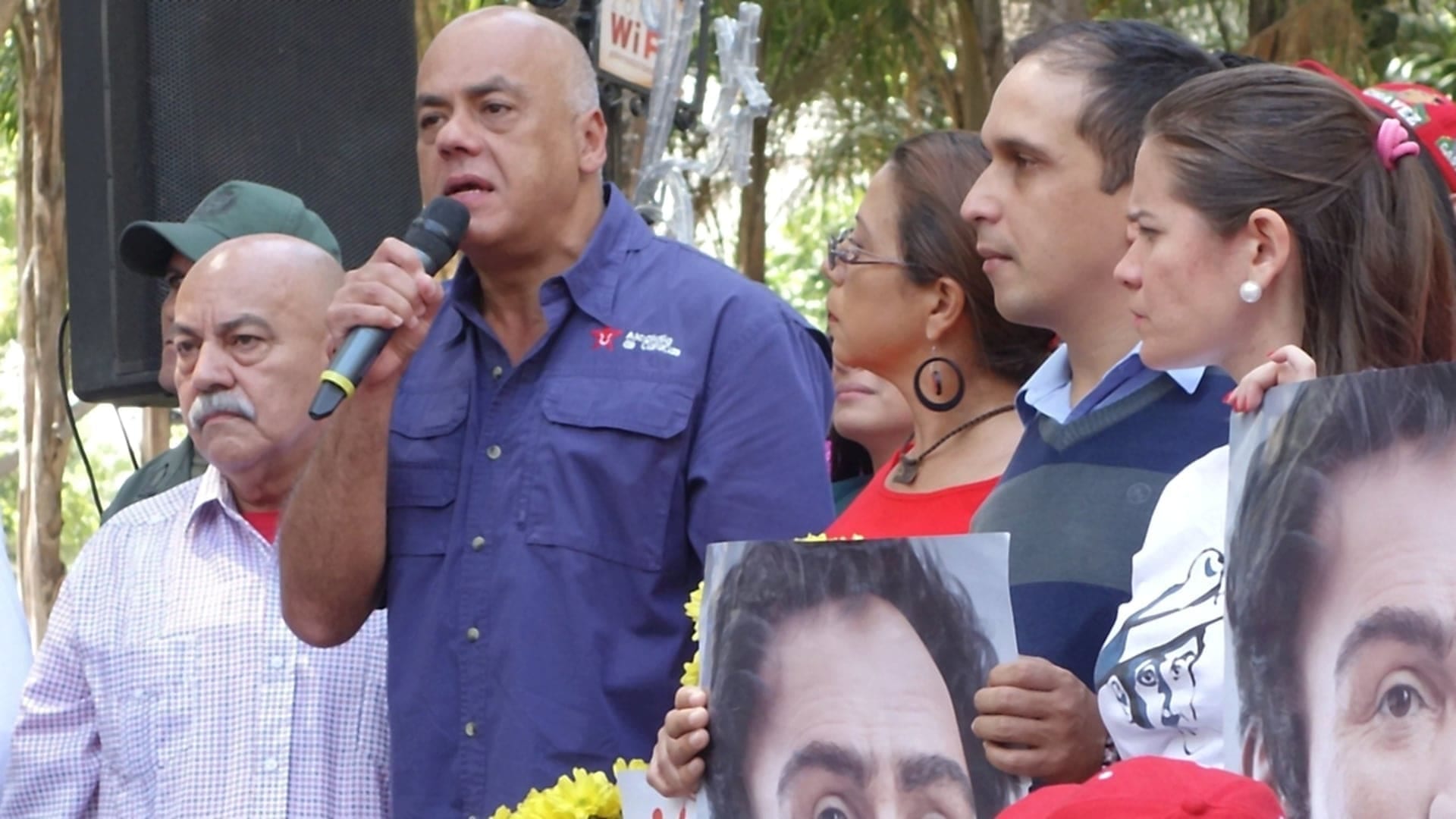
Venezuela's National Assembly will begin repealing a 2024 law that criminalized backing foreign sanctions against the country, National Assembly President Jorge Rodríguez announced Thursday.
The legislative process starts Tuesday, Dec. 1, though no vote has been scheduled. Rodríguez called the repeal "a contribution to the dialogue process" with the opposition-controlled 2015 Assembly, headed by opposition figure Dinorah Figuera.
The Simón Bolívar anti-sanctions law, passed unanimously in November 2024, carried penalties of 25 to 30 years in prison for Venezuelans who promoted or supported foreign sanctions. It also allowed asset seizure, bans on running for office and loss of radio and television licenses. Legal-aid group Acceso a la Justicia warned the law could impose "civil death" on mere suspicion.
"It is a law that fulfilled its purpose in its due time," Rodríguez said, flanked by Assembly Vice Presidents Pedro Infante and Grecia Colmenares. "No Venezuelan man or woman has been subjected to the extremes set out in that law."
Rodríguez cited two reasons for repeal: proposals from a government coexistence and peace programme directed by Ana María Sanjuán, and the fourth round of talks with the 2015 Assembly. The repeal is not a general loosening of restrictions; a separate anti-hate law will be reformed rather than scrapped, with administrative penalties replacing criminal offences.
Rodríguez also said talks are making progress on freeing Venezuelan gold held abroad. A commission of three lawmakers and three government representatives will meet first in Caracas with a senior British official expected "in the coming days," then in London.
The law targeted Venezuelans who backed sanctions imposed primarily by the United States, European Union, Canada and other countries in response to human rights violations, democratic deterioration and corruption cases. Repeal would lift criminal threats from opposition figures who speak to U.S. officials, though it would not lift any U.S. sanctions themselves.