Colombian President Gustavo Petro met with the U.S. Chargé d'Affaires in Bogotá, John McNamara, on Monday in a bid to ease a severe diplomatic crisis that erupted after President Donald Trump suspended all economic and military aid to the Andean nation.
Colombia’s Foreign Ministry described the conversation as “long, frank, and constructive,” noting that both countries reaffirmed their commitment to improving anti-narcotics strategies and seeking a coordinated approach to overcoming the current impasse in bilateral relations. Officials confirmed that future meetings are planned to find a swift resolution, and the Colombian ambassador to Washington, Daniel García-Peña, was set to return to his post after being called home for consultations.
Escalation of the Crisis
The recent escalation followed a public confrontation between the two leaders over the weekend. President Trump announced the immediate suspension of U.S. financial support, accusing Mr. Petro of being “a leader of drug trafficking” and allowing “mass drug production to become the country’s biggest business.”
This statement came after President Petro criticized recent U.S. attacks on vessels in the Caribbean that, according to U.S. officials, were carrying drugs. Mr. Petro had specifically raised concerns that one strike may have impacted Colombian fishermen, although the State Department alleged the operations were targeting drug smugglers.
The diplomatic row followed previous measures taken by the U.S. government, including the official decertification of Colombia as a cooperating country in anti-narcotics efforts in September. That measure excludes Colombia from preferential access to multilateral funds from organizations such as the World Bank.
Impact of Suspended Aid and Tariffs Threat
The suspension of U.S. assistance, which typically amounted to between $400 million and $450 million annually in recent fiscal years, poses one of the most serious crises for the Petro administration. Officials indicated the loss of funds jeopardizes the implementation of the Total Peace Plan, a central initiative aimed at ending internal conflicts and transforming regions affected by violence, which relies heavily on international financing.
Financial support was halted across six strategic areas, affecting more than 550 active programs nationwide. The most critical areas affected included:
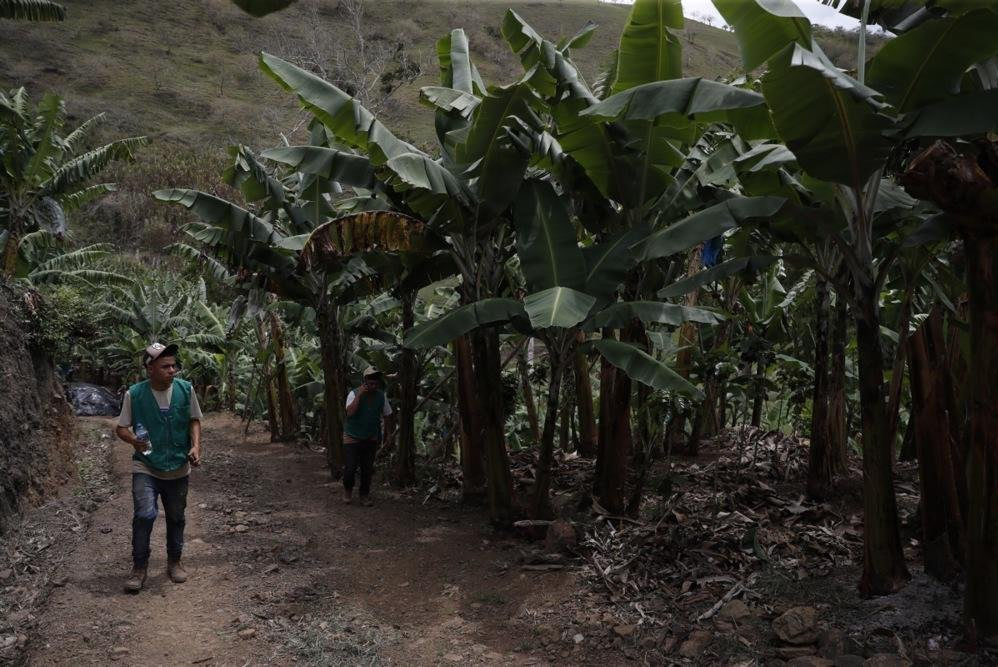
- Rural Development:Approximately $65 million annually designated for crop substitution and productive projects in vulnerable regions.
- Security and Defense:$50 million for military training and joint operations in conflict zones.
- Anti-Narcotics:$40 million for intelligence sharing, satellite monitoring, and aerial eradication programs.
- Justice and Institutional Strengthening:$30 million intended for anti-corruption efforts and legal reforms.
In addition to the aid suspension, President Trump had threatened to impose new tariffs on Colombian exports. While U.S. officials have not yet implemented the new duties, the uncertainty remains a major economic concern. The United States is the destination for roughly 26% of Colombia’s exports and its primary source of foreign investment.
Business leaders in Bogotá warned that Colombia must protect its strategic relationship with the U.S. Bruce Mac Master, president of the National Business Association of Colombia, commented that “a president who provokes, blusters and tries to elicit reactions from the U.S. president is not being strategic.”
Disputed Anti-Narcotics Performance
During Monday’s meeting, President Petro pressed the U.S. to rely on “real data” regarding his country’s anti-drug efforts, insisting his government has achieved stronger results in coca leaf and cocaine seizures.
Since 2022, the Petro administration adopted a strategy focused on voluntary substitution of illicit crops and the suspension of aerial fumigation. According to figures provided by Colombia’s Defense Ministry, cocaine seizures increased by 19% in 2024, and the growth rate of coca leaf cultivation has slowed significantly, from 43% in 2021 to 3% in 2024.
However, a report from the United Nations Office on Drugs and Crime indicated that the area under coca cultivation in Colombia—the world’s largest producer—grew by 10% between 2022 and 2023, with potential cocaine production increasing by 53% in the same period.