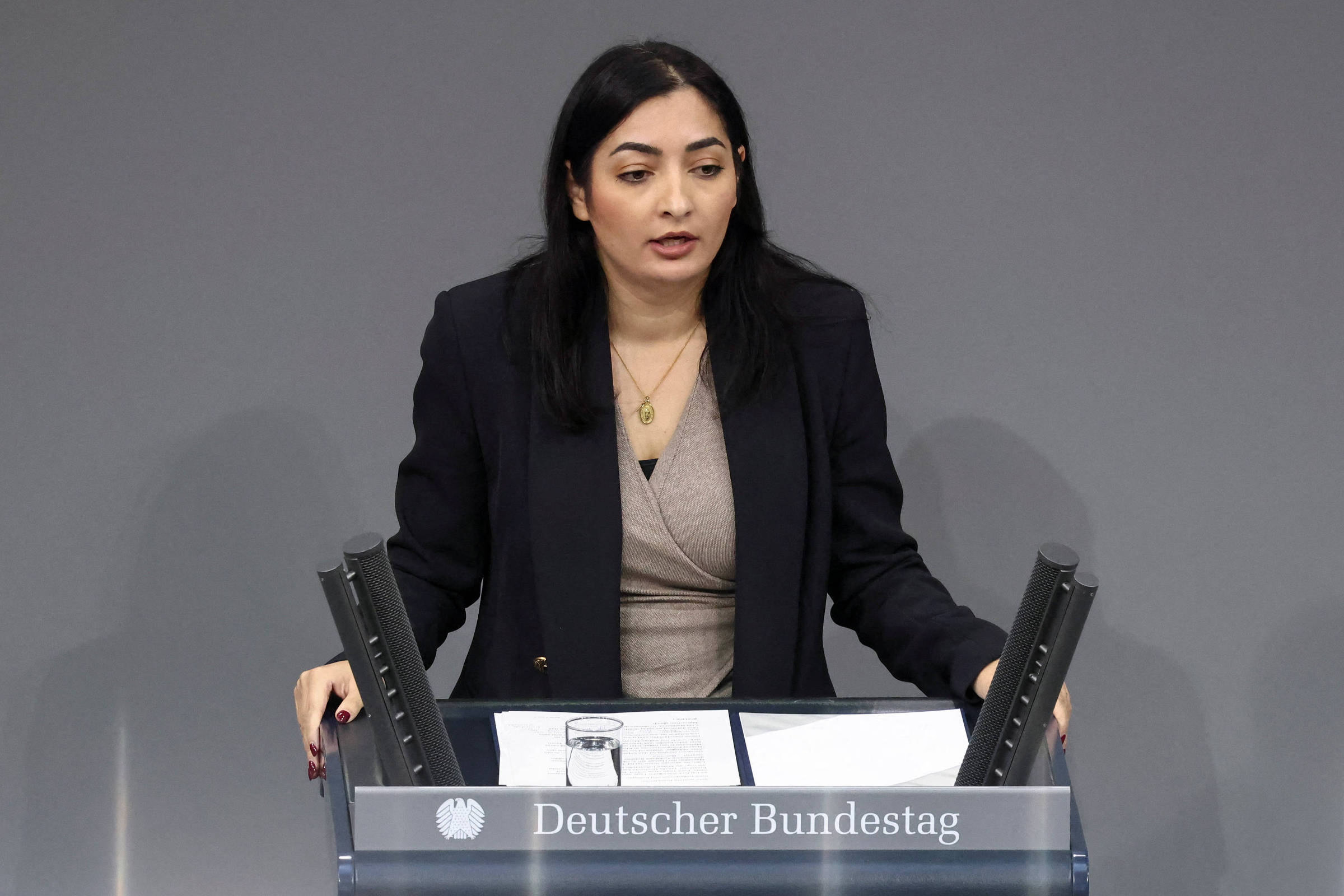
Berlin, Germany – Germany has pledged €1 billion (US$1.16 billion) over the next three years to bolster the global fight against AIDS, tuberculosis, and malaria. The announcement was made on Sunday by Development Minister Reem Alabali-Radovan at the opening of the 2025 Global Health Summit in Berlin.
"With this, we are sending an important signal: Germany will continue to be committed to protecting people worldwide from diseases," Alabali-Radovan stated, confirming financial support for the Global Fund for the period of 2026 to 2028.
The minister emphasized that the commitment was secured despite "painful budget cuts and significant financial pressures within the ministry." She highlighted that combating major infectious diseases is not only a humanitarian imperative but also a matter of practical necessity, as pathogens disregard borders and spread where prevention, medicine, and healthcare are lacking.
Alabali-Radovan asserted that every euro invested in the Global Fund yields significant returns. "It strengthens the health systems of partner countries and makes the world more resilient. In this way, we save millions of lives," she said.
Founded in 2002, the Global Fund to Fight AIDS, Tuberculosis and Malaria is the largest multilateral funder of health programs for low-income countries, drawing support from governments, foundations, and private donors. According to the German Ministry for Development, the current funding round aims to save over 23 million lives. The German pledge includes €100 million in debt relief.
Peter Sands, Executive Director of the Global Fund, pointed to innovations such as the injectable antiretroviral lenacapavir for HIV treatment and prevention, AI-powered tuberculosis detection, and smart mosquito nets as crucial tools in tackling these diseases. "Now we need the political will. Germany's latest contribution sends a powerful signal of global solidarity and builds a solid foundation as we move towards the final commitments at our eighth replenishment summit," Sands remarked during the Berlin event.
The German announcement follows a series of high-level commitments made at previous Global Health Summits. Leaders at the 2025 summit have called for urgent reforms in global health governance and financing.
Amidst geopolitical instability and a decline in international aid, particularly from the United States under the Trump administration, essential health programs are increasingly at risk, especially in low- and middle-income countries. These nations often rely on external funding while grappling with rising debt and limited domestic budgets.
For instance, the U.S. government has historically funded a significant portion of the HIV response in countries like Zambia and Uganda. The Joint United Nations Programme on HIV/AIDS (UNAIDS) estimates that if funds cut from the U.S. President's Emergency Plan for AIDS Relief (PEPFAR) are not reintegrated by 2029, there could be over 4 million AIDS-related deaths and 6 million new adult infections.
During the summit, leaders discussed practical approaches to address this new reality. Winnie Byanyima, Executive Director of UNAIDS, advocated for debt relief for vulnerable countries, international tax cooperation, and reforms to the international financial architecture. "By reducing the inequalities of the global economy, we can give low-income governments the means to invest in their own populations."
Byanyima also supported the implementation of global minimum taxes on wealth, noting that the wealth of billionaires increased by $2 trillion in 2024, yet they paid an effective tax rate of only 0.3%. While the G20 has made some progress towards global minimum wealth taxes, efforts at the UN for international tax cooperation have faced opposition from eight wealthy nations.
She cited Brazil's approach to taxation as a positive example. The Chamber of Deputies in Brazil recently approved a measure to expand the income tax exemption threshold and implement taxation on the wealthiest. The proposal is now moving to the Senate.
"When people get sick, it is a tragedy, but it also represents an economic burden. They will contribute less economically and depend more on state services," Byanyima stated. Carsten Schicker, CEO of the summit, echoed Byanyima's call for a fairer global health system, aligning with the event's overarching goal of fostering urgent, concrete solutions for improved health cooperation and the development of sustainable and equitable health systems.