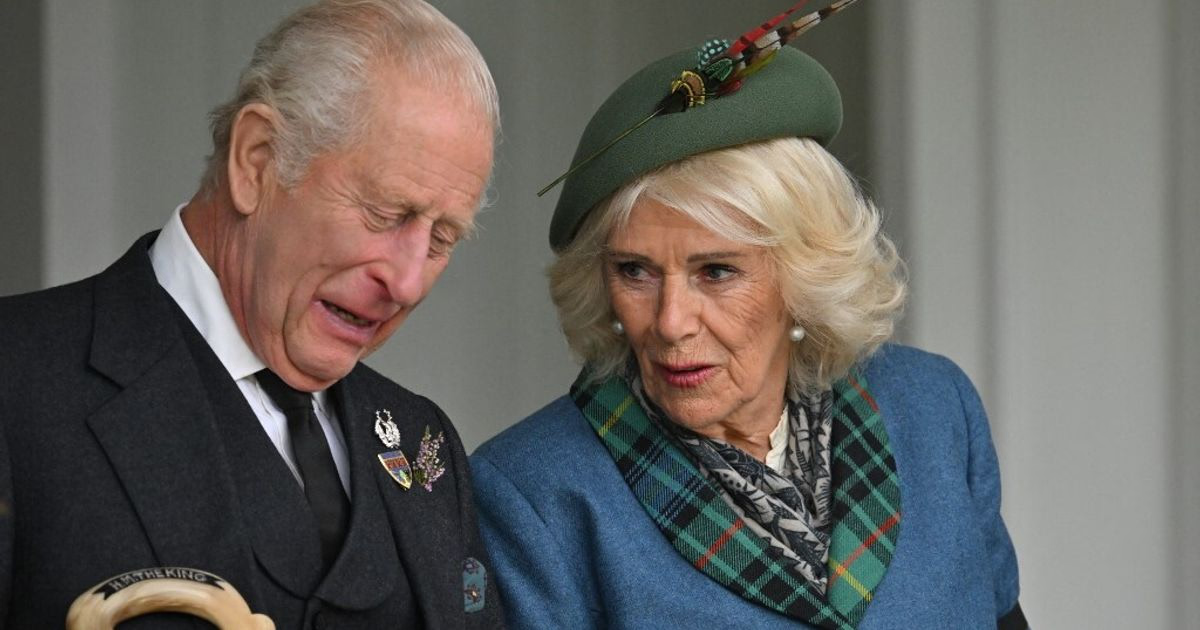
King Charles III and Queen Camilla arrived in Rome on Wednesday evening for a historic state visit to the Vatican, where they are scheduled to meet Pope Leo XIV on Thursday. The visit is intended as a powerful symbolic display of unity between the Catholic Church and the Church of England (CoE).
The King described the event as a "landmark" moment, noting that a stronger relationship between the two Christian denominations serves as a "bulwark against those promoting conflict, division and tyranny." The meeting marks the first time a British monarch will pray alongside a pope since the 16th-century Reformation.
The royal couple will be received by Pope Leo XIV in a private audience. Following the audience, King Charles is scheduled to meet with the Secretary of State, Cardinal Pietro Parolin, while Queen Camilla will visit the Paolina Chapel.
Later on Thursday, Pope Leo XIV will preside over an ecumenical prayer for the care of Creation in the Sistine Chapel at 12:10 local time. The prayer is organized by the Dicastero for the Promotion of Christian Unity.
The royal delegation includes senior religious figures, underscoring the ecumenical nature of the visit. Among those accompanying the King and Queen are the Archbishop of York Stephen Cottrell, the second-highest official in the CoE, and Rosie Frew, the supreme moderator of the Church of Scotland's General Assembly. The visit occurs while the seat of the Archbishop of Canterbury is currently vacant, pending the arrival of Archbishop-designate Sarah Mullally in March 2026.
The state visit takes place amid ongoing domestic controversy surrounding the King's younger brother, Prince Andrew. Last week, Prince Andrew was stripped of his Duke of York title following scandalous new disclosures regarding his ties to convicted sex offender Jeffrey Epstein.
The disclosures included a newly published email and details from a memoir by Virginia Roberts Giuffre, an Epstein victim who accused Andrew of raping her when she was a teenager—an accusation he denies. The scandal has placed rare stress on the long-standing constitutional arrangement between the Crown and Parliament, leading to public calls for Andrew to be stripped of his remaining title, Prince.