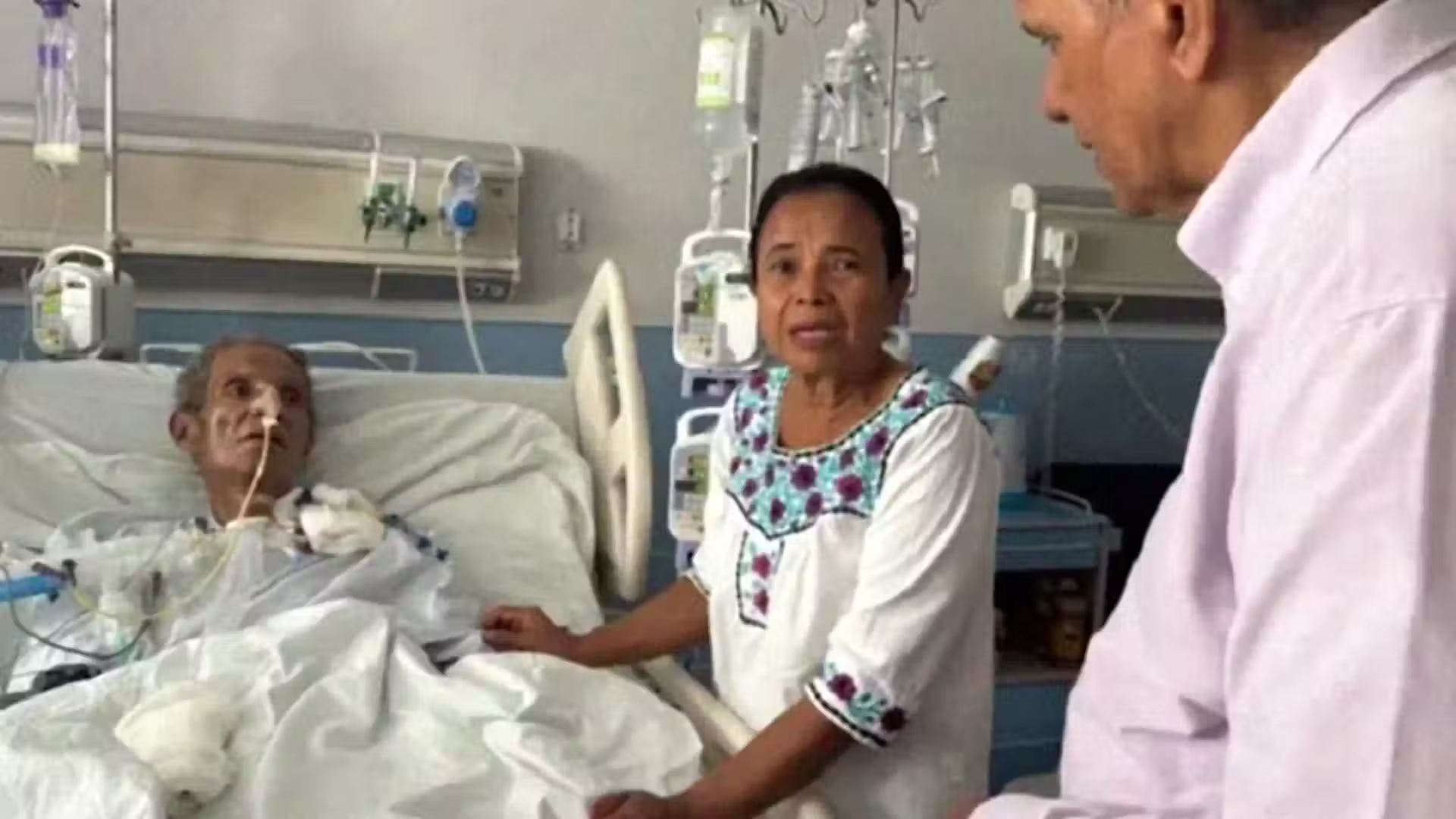
Brooklyn Rivera, a renowned indigenous leader and former Nicaraguan lawmaker, has died in state custody at age 73, according to statements from Nicaragua's health ministry and local media reports on Sunday.
Rivera, principal leader of the Miskito indigenous people, was arrested by national police in September 2023 as part of a government crackdown on political dissent. Following his arrest, the government of President Daniel Ortega placed him in incommunicado detention, refusing to disclose his location or health status to his family, legal counsel, or international representatives for nearly 1,000 days.
The Nicaraguan government confirmed Rivera's detention last week after mounting pressure from his family, the U.S. government, and United Nations representatives demanding proof of life. The confirmation was accompanied by photographs showing him bedridden, intubated, and severely emaciated.
Nicaragua's health ministry stated that Rivera died from a bacterial infection stemming from COVID-19, which caused physical and neurological deterioration. The government issued a statement referring to Rivera as "Brother" and saying officials were praying for him.
Human rights groups and activists worldwide condemned both his death and the government's characterization. Reed Brody, an American human rights lawyer and member of a group of U.N. experts on Nicaragua, said the government's statement was "unconscionable cynicism" given that officials had refused to inform his family, lawyer, or the world about his fate while he was detained.
Rivera had spent decades advocating for the territorial and political rights of the Miskito people on Nicaragua's Caribbean coast. His arbitrary detention and treatment during incommunicado custody drew widespread condemnation from the United Nations and international human rights organizations, which classified his case as an enforced disappearance.
Human rights activists and his family have attributed his death to the conditions of his detention rather than illness alone, holding the government responsible for his physical deterioration during his nearly three years in custody.