Taiwan slowed its mobile internet to text-only speeds Thursday as part of the final phase of its annual Han Kuang military exercises, which model the island's response to a potential Chinese military invasion.
The internet and traffic slowdown affected Taipei and six other cities and localities during the Urban Resilience (Air-Defense) Exercise. The deliberate reduction tested Taiwan's ability to maintain critical communications while degrading connectivity that could be exploited during a conflict scenario.
The Han Kuang exercises began last week and are designed to simulate defensive operations against a possible Chinese military attack. The drills include multiple components testing different aspects of Taiwan's civil and military preparedness, with Thursday's phase focusing on urban resilience and air-defense capabilities.
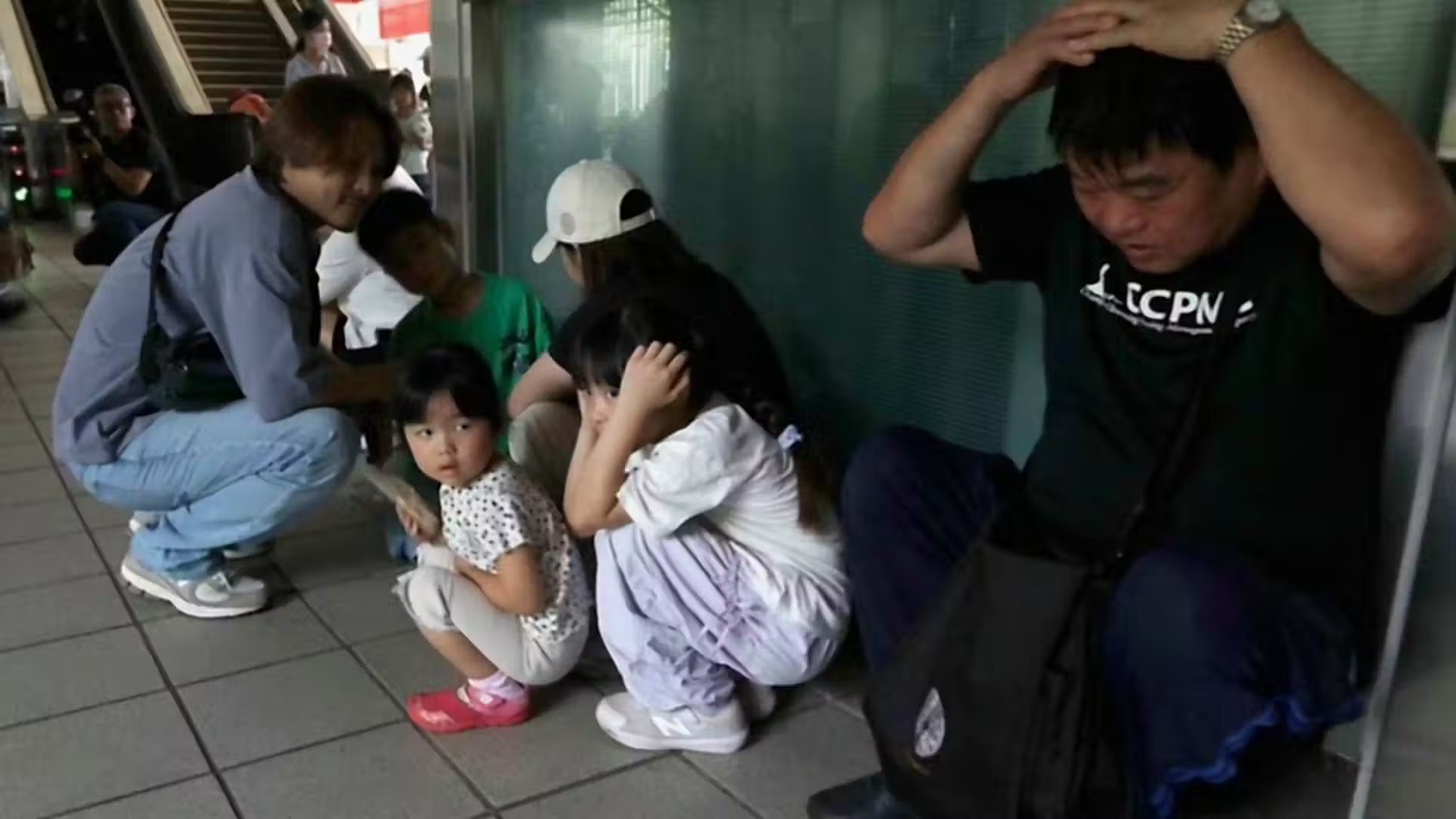
During the exercise, people in affected areas took cover in shelters, including basement facilities at MRT stations. Streets in participating cities appeared deserted as residents complied with the drill procedures. The exercises required coordination across multiple government agencies and civilian infrastructure operators to implement the internet slowdown and other defensive measures.
The intentional reduction of internet speeds to text-only capacity tested whether essential communications systems could function under degraded conditions. Such scenarios reflect concerns about potential disruptions to digital infrastructure during military conflict, requiring Taiwan's networks and emergency services to operate with limited bandwidth.
The Han Kuang exercises occur annually and represent Taiwan's systematic approach to civil defense planning. The drills involve both military personnel and civilian populations, with exercises designed to familiarize the public with emergency procedures and test the effectiveness of existing defense protocols across government and private sector infrastructure.
Related Articles
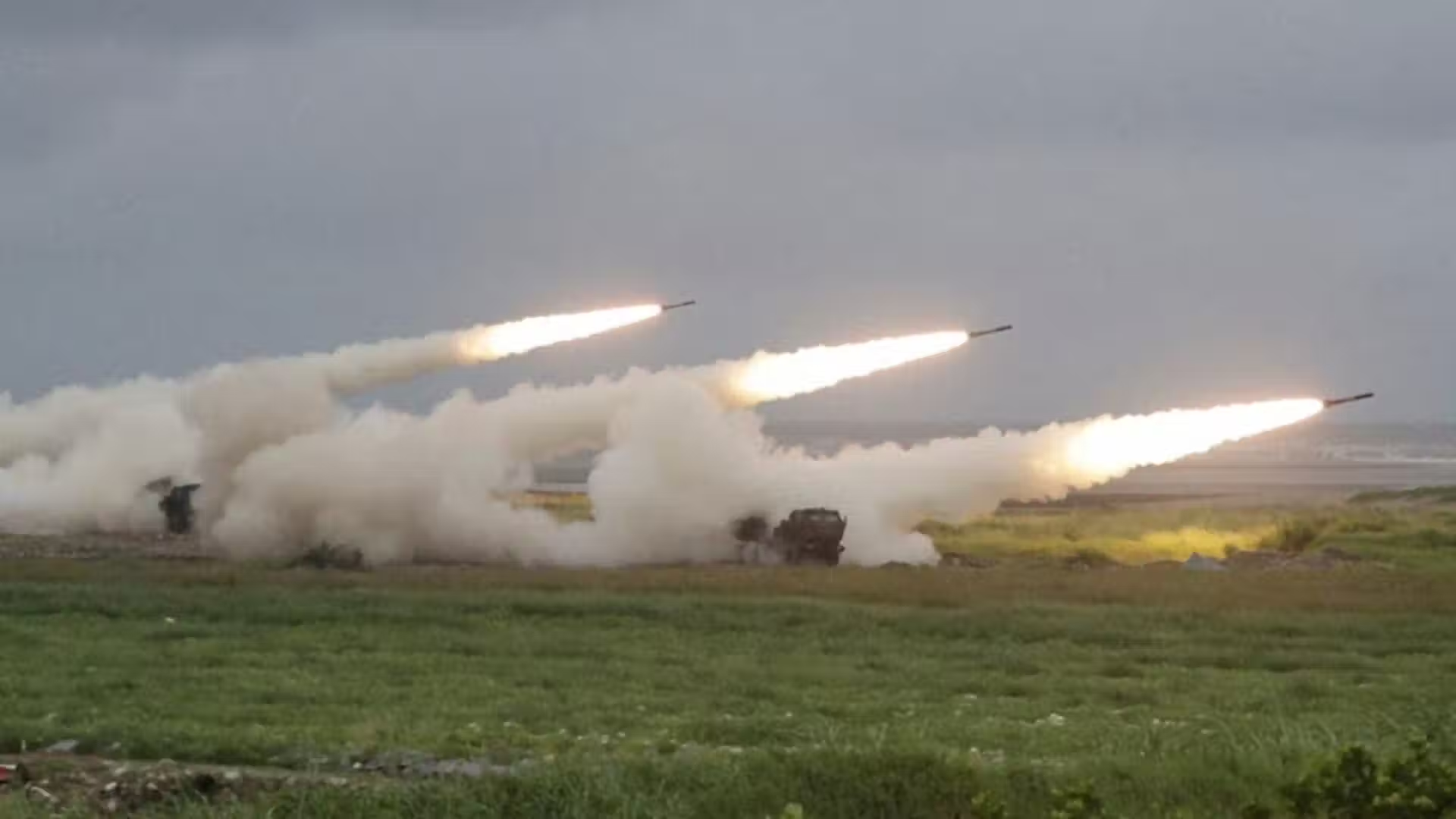
Taiwan fires HIMARS rockets in Taiwan Strait live-fire drill
Taiwan's military conducted its first west-coast test of U.S.-supplied HIMARS rocket systems, demonstrating defensive capabilities against potential Chinese attack.
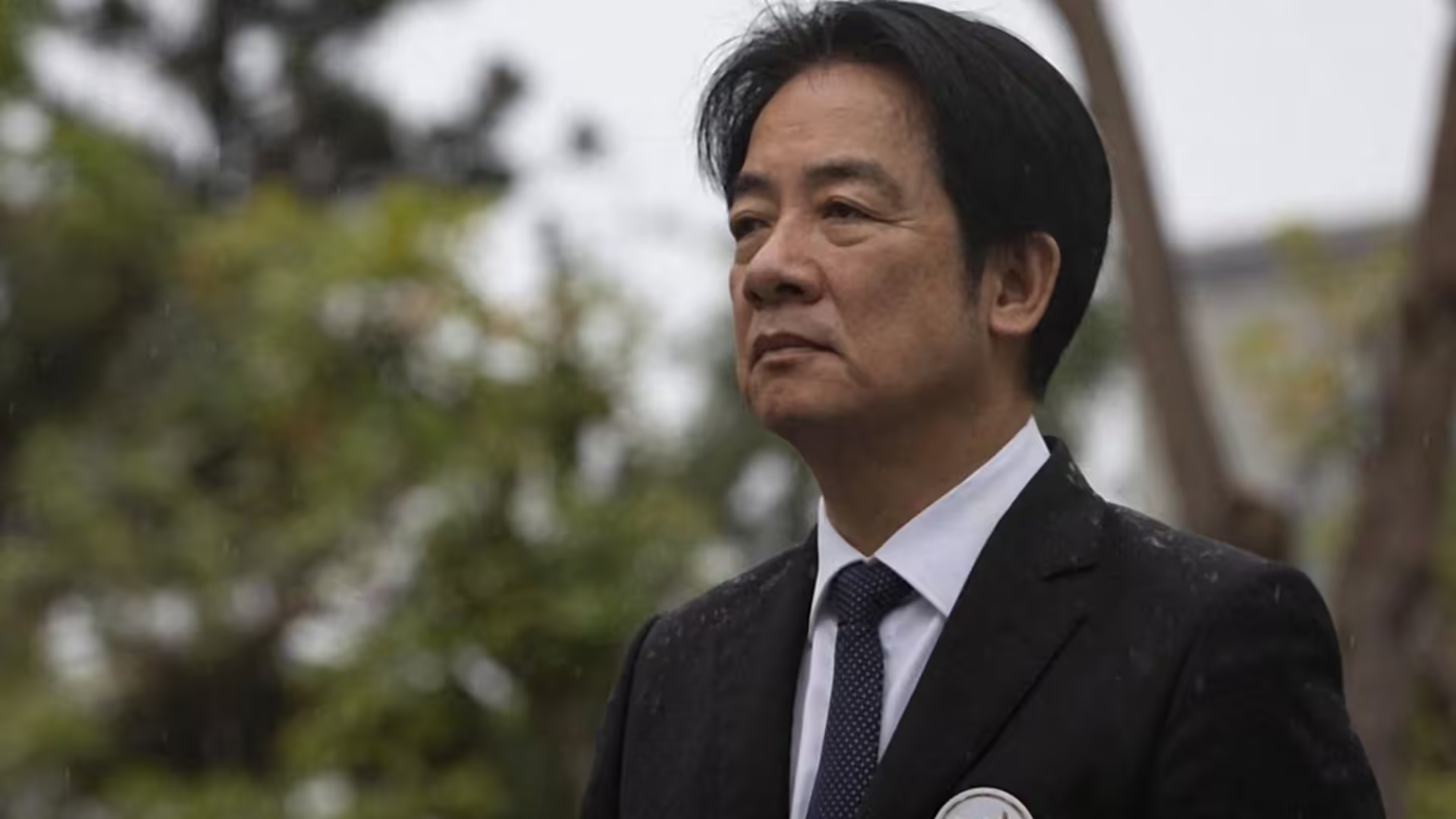
Taiwan will not provoke conflict nor cede sovereignty, Lai says
Taiwan's president responded to the Trump-Xi summit, reaffirming the island's independence while pledging not to escalate tensions.
Netanyahu orders intensified Israeli strikes against Hezbollah in Lebanon
Israeli Prime Minister Benjamin Netanyahu announced an acceleration of military operations against Hezbollah, saying over 600 militants have been eliminated in recent weeks.
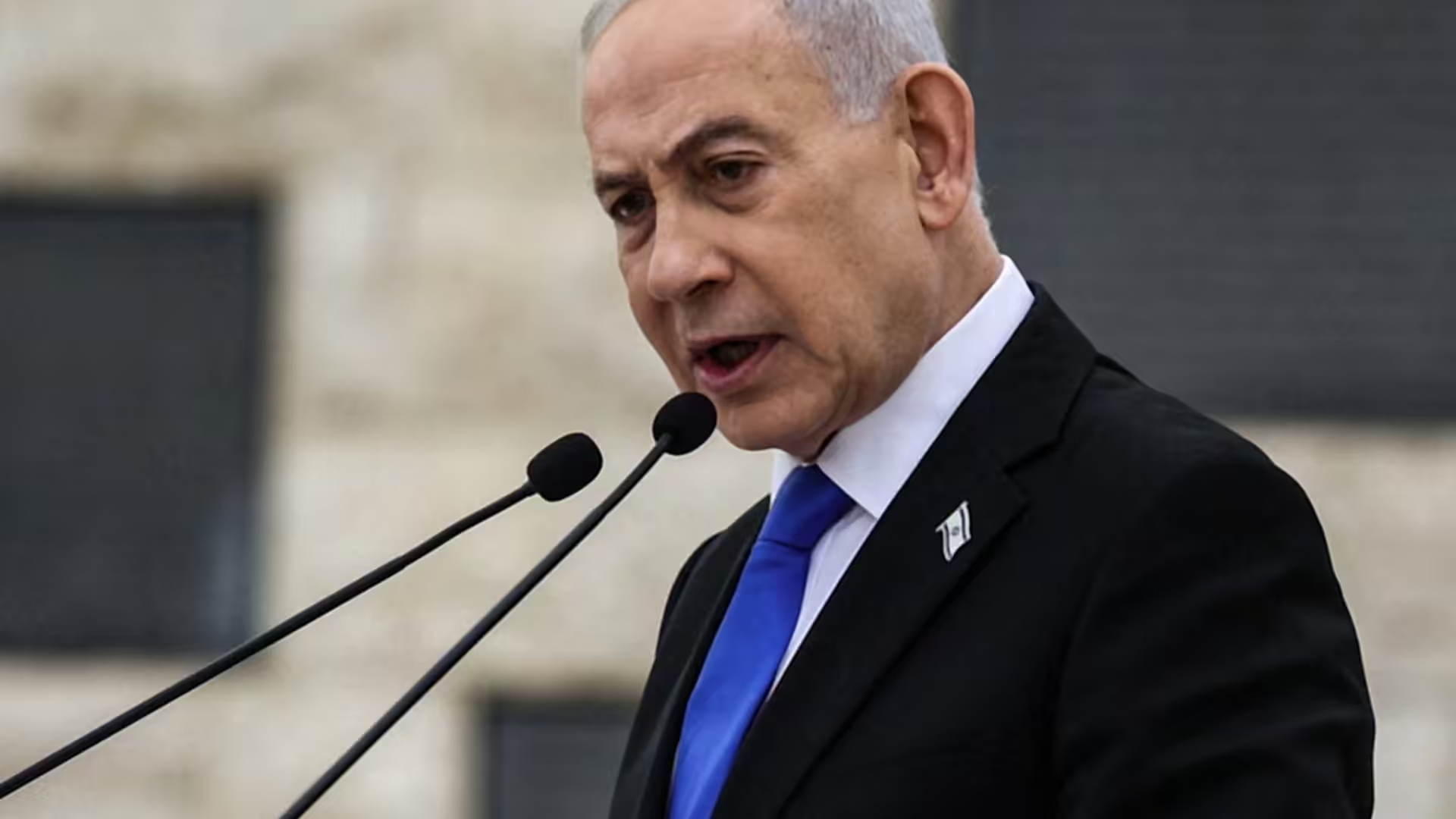
Taiwan reaffirms sovereignty after Trump urges restraint on independence
Taiwan says it remains sovereign and independent following Trump's Beijing visit, where he cautioned against formal independence declaration.
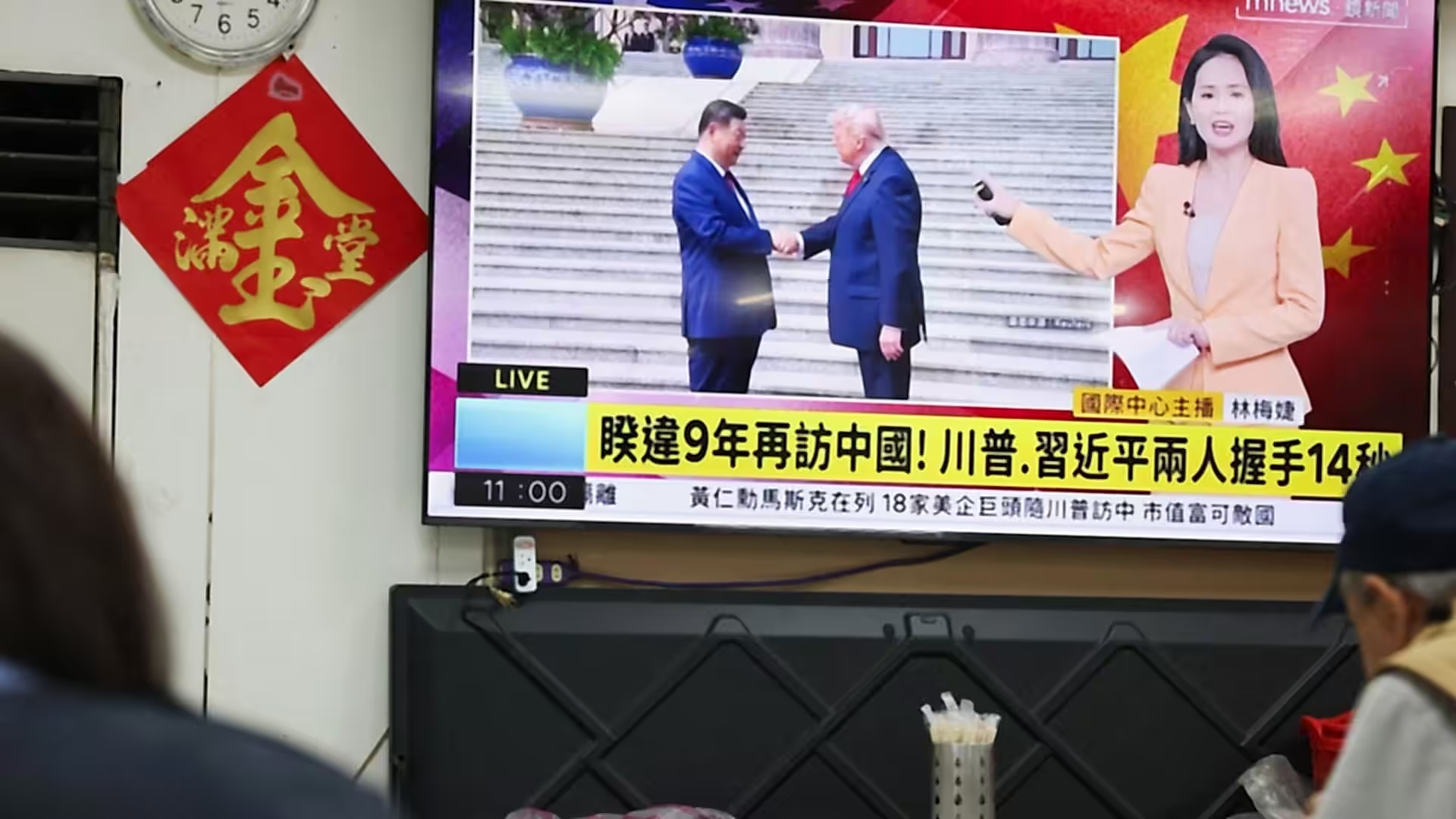
Iran's president orders internet restoration after 87-day blackout
President Masoud Pezeshkian issued an order to restore international internet access following a near-90-day blackout.
Google launches submarine cable network connecting Chile to Americas
Alphabet announced three new undersea fiber-optic cables linking Chile, Panama, Dominican Republic, and other regions to strengthen regional digital infrastructure.