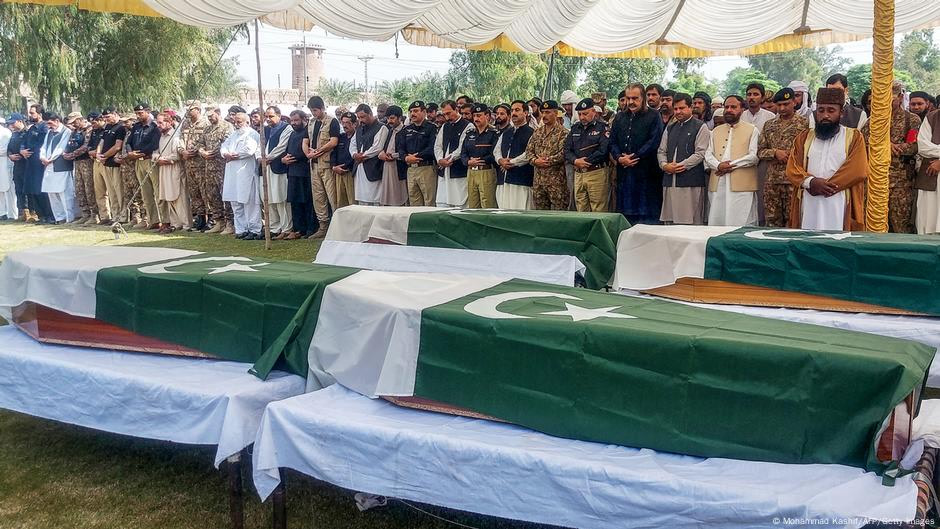
Heavy clashes have erupted along the Afghanistan-Pakistan border, with the Taliban and Pakistani forces exchanging artillery and small arms fire. The escalation follows allegations by the Taliban that Pakistan conducted airstrikes in the Afghan capital, Kabul, earlier this week.
Enayatullah Khwarizmi, spokesperson for the Afghan Ministry of Defence, stated that Taliban forces carried out "successful retaliatory" attacks against Pakistani soldiers in response to what they described as "repeated violations" and air strikes on Afghan territory. He announced on X that the operation concluded at midnight.
Pakistani Interior Minister Mohsin Naqvi condemned the Afghan attacks as "unprovoked," vowing that Pakistani forces would respond "with a stone for every brick." He also stated on X that "Firing by Afghan forces on civilian population is a blatant violation of international laws. Pakistan’s brave forces have given a prompt and effective response that no provocation will be tolerated."
Radio Pakistan, citing security sources, reported that the Afghan attacks occurred at approximately six locations along the border. The report indicated a "strong, intense response" from the Pakistan Army and shared video footage of the exchange of fire.
The fighting comes days after explosions in Kabul, which the Taliban blamed on Pakistan. Islamabad has not claimed responsibility for those attacks but has accused the Afghan Taliban administration of harboring fighters from the Tehreek-e-Taliban Pakistan (TTP) who target Pakistan. New Delhi denies any involvement, while the Taliban maintains it does not permit its territory to be used for attacks against other countries.
Regional powers have expressed concern over the rising tensions. Iran's Minister of Foreign Affairs, Abbas Araghchi, urged both neighbouring countries to "exercise restraint," emphasizing that stability between them contributes to regional stability. Qatar also voiced "deep concern" over the situation, urging both sides to prioritize dialogue and diplomacy to reduce tension and avoid escalation.
Saudi Arabia similarly called for restraint and the avoidance of escalation, affirming its support for all regional and international efforts aimed at promoting peace and stability.
Analysts suggest the recent events highlight the deep-seated border tensions between the two nations. Michael Kugelman, a South Asia analyst, described the situation as a "perfect storm for trouble," noting that Afghanistan does not recognise the border, known as the Durand Line.
Imtiaz Gul, a security analyst, believes the clashes are a consequence of growing tensions, particularly following alleged Pakistani kinetic attacks on TTP hideouts and the Afghan regime's refusal to take decisive action against the TTP, which is accused of spearheading terrorist attacks in Pakistan. He added that Pakistan's patience had been wearing thin, leading to direct action against TTP leaders.
Both sides have reportedly used artillery and heavy weaponry in the clashes, with Pakistani officials stating their forces responded forcefully to protect Pakistani lives and property. They urged Afghanistan to prevent its territory from being used for terrorism against Pakistan.