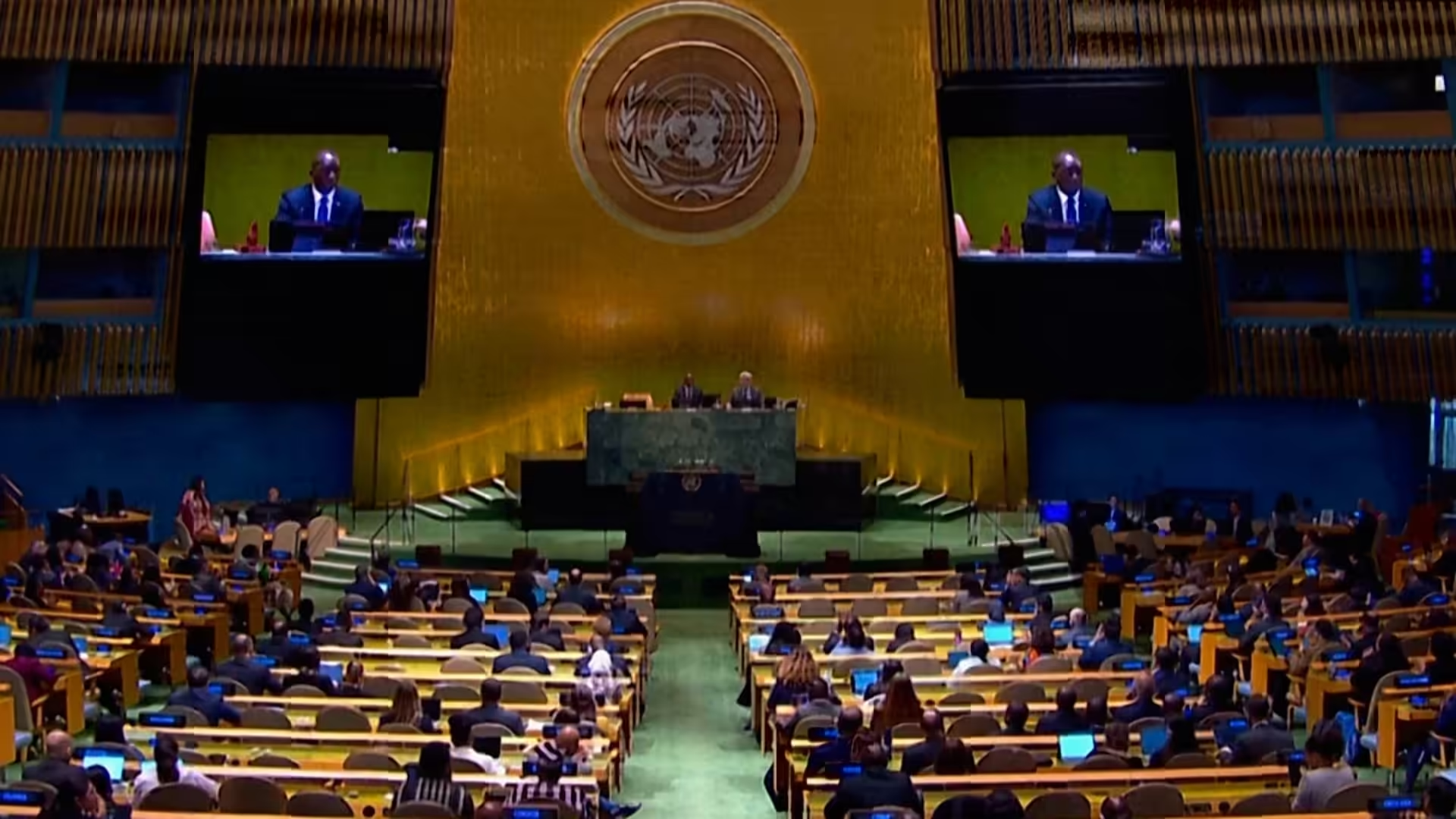
UN adopts resolution recognizing transatlantic slavery as gravest crime against humanity
Ghana-led resolution passed with 123 votes in favor; US, Israel and Argentina voted against while UK and EU members abstained.
9:28 PM
The UN General Assembly adopted a resolution Wednesday recognizing the transatlantic slave trade and racialized slavery of Africans as the "gravest crime against humanity," marking what legal experts and reparations specialists have described as an unprecedented action.
The resolution, championed by Ghana and backed by the African Union's 55 member states and Caribbean nations, received 123 votes in favor. The United States, Israel and Argentina were the only countries to vote against the non-binding measure. The United Kingdom and all 27 European Union member states were among 52 countries that abstained.
Ghana's Foreign Minister Samuel Okudzeto Ablakwa posted the results after the vote, stating: "We did it for Africa and all people of African descent."
The resolution defines the trafficking of enslaved Africans and the system of racialized slavery as the maximum crime due to its global rupture in world history, its magnitude, duration, systemic character, brutality and lasting consequences that continue to condition the lives of people through racialized regimes of work, property and capital, according to the text.
Ghana's President John Dramani Mahama said before the vote that the resolution was needed because the consequences of slavery persist today, including racial disparities. He characterized the measure as "a safeguard against forgetting" and said the intention was not to "reopen old wounds" but to recognize them and "work collectively for healing and justice."
Over the past year, Ghana's government developed the initiative with support from the African Union and the Caribbean Community. According to sources, at least 12.5 million people were victims of trafficking and slavery across Africa over 300 years.
The United States classified the resolution as "highly problematic" and voted against it. Before the vote, Mahama noted that American schools were being discouraged from teaching about slavery and racism. Policy groups, human rights organizations and academics have accused President Trump of minimizing Black history in the United States. Trump has criticized the Smithsonian Institution for focusing too much on "how bad slavery was" and not enough on the "brightness." He has signed executive orders on education calling for the end of "radical indoctrination in K-12 schooling" and criticized the teaching of subjects such as "white privilege."
The resolution urged UN member states to apologize for the slave trade and to contribute to a reparations fund as part of Ghana's broader initiative for reparations and reconnection of the African diaspora.