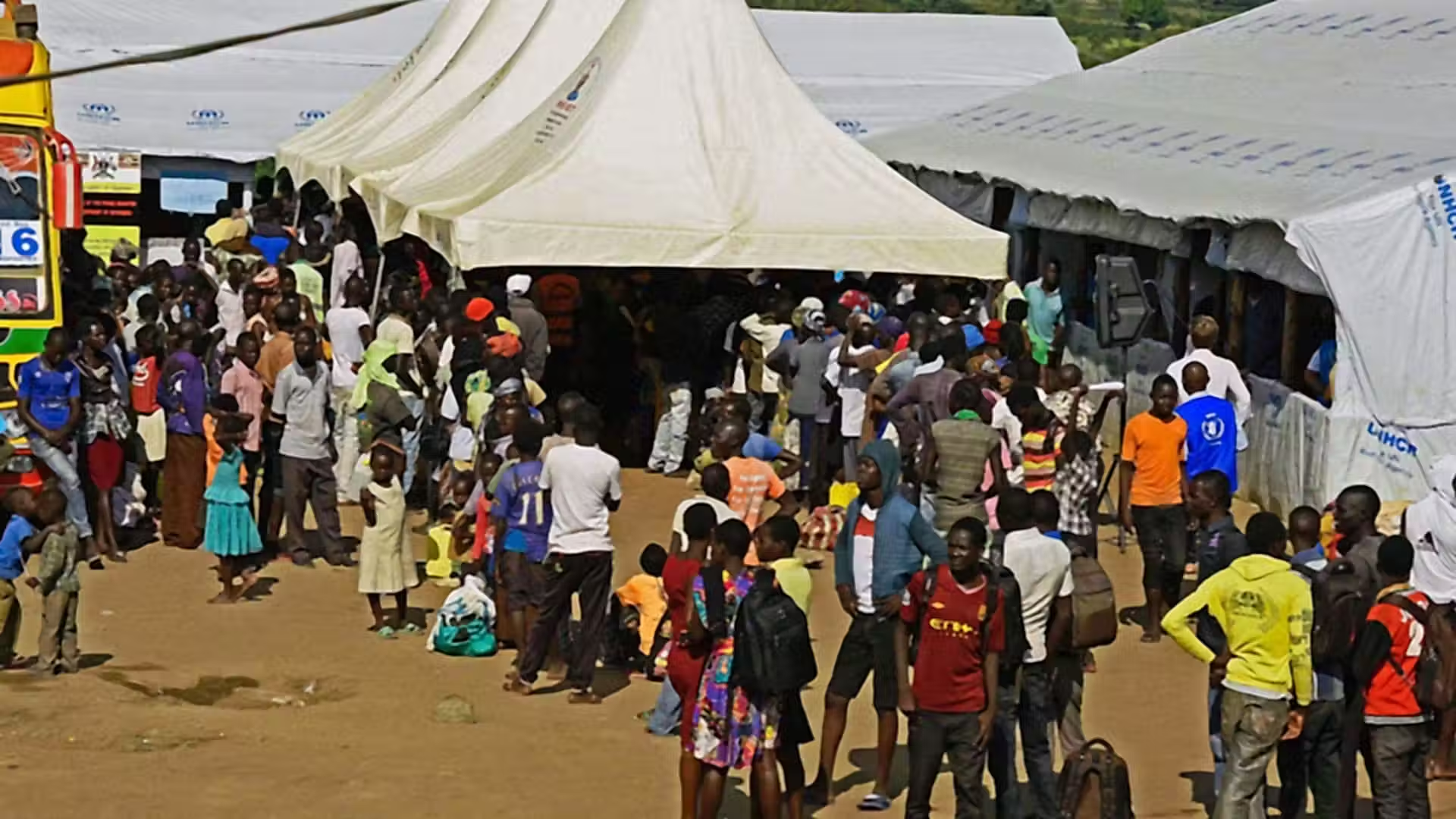
Conflict and drought are worsening food insecurity across parts of Sudan's Darfur and Kordofan regions, the Integrated Food Security Phase Classification warned on Monday. The IPC, a global food crisis monitor, reported a "deteriorating humanitarian situation" across greater Darfur and Kordofan, including areas identified as at risk of famine, as well as other locations.
Severe drought linked to El Niño is affecting more than half of Sudan, causing localized crop failures and depriving households of food and income, according to the assessment. In May, nearly 19.5 million people—more than 40 percent of the population—were facing high levels of acute food insecurity. Of those, 135,000 were in Phase 5, the most severe classification, characterized by extreme food shortages, starvation, very high levels of malnutrition and deaths from disease or acute malnutrition.
Malnutrition screenings showed sharp deterioration among displaced people in conflict-affected areas. Severe acute malnutrition cases among children receiving nutrition services doubled in Nyala and quadrupled in Kass, both in Darfur. North Darfur continues to face severe food insecurity as delayed rainfall has damaged agriculture, forcing displaced farmers to rely on food markets rather than their own harvests.
More than 300,000 people have been displaced across Greater Kordofan since October of last year. Fighting in North Kordofan has driven farming communities towards El Obeid. Humanitarian intervention efforts are contracting due to severe funding shortages, insecurity and access restrictions throughout Kordofan, officials said.
The situation in South Darfur has worsened particularly among displaced populations, according to UN assessments. Livelihoods of farming communities have shifted as they increasingly depend on food markets. Delayed rainfall has had a destructive effect on crops across North Darfur, further limiting household food production and forcing reliance on purchased supplies.