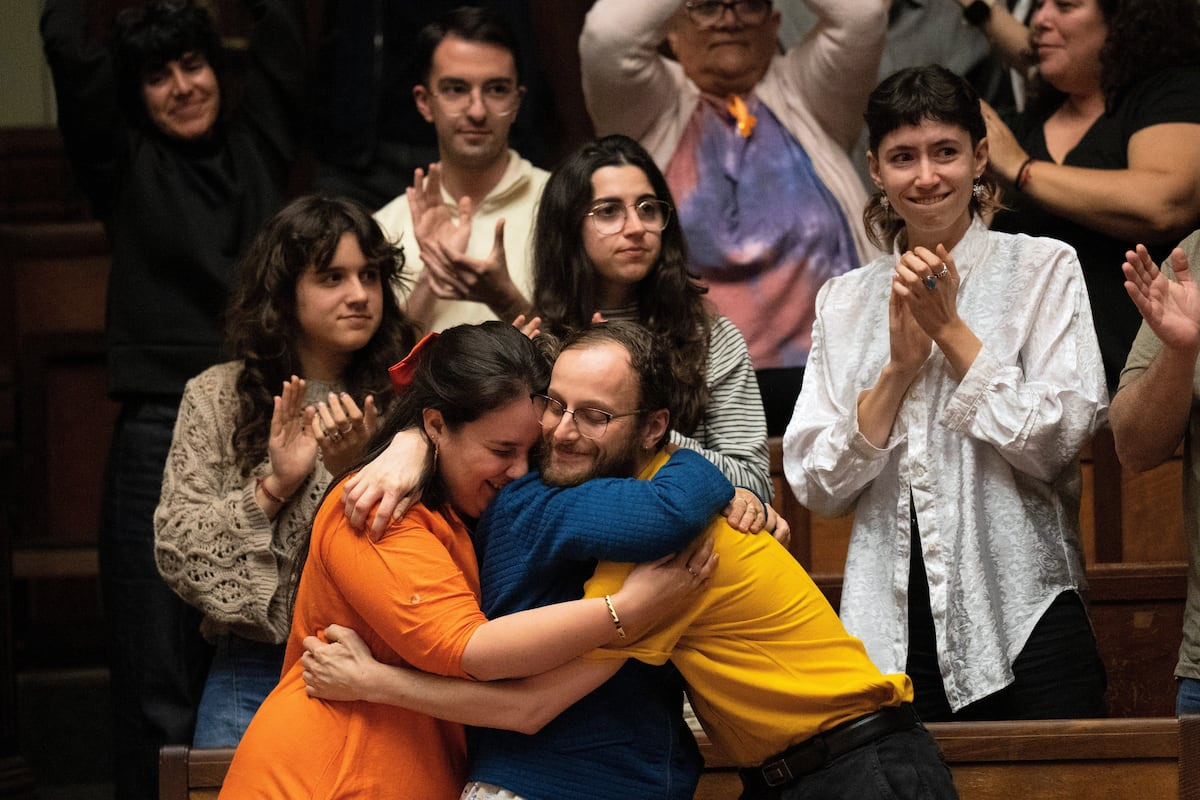
Uruguay has made history by legalizing euthanasia following a broad approval in the Senate on Wednesday evening. The "Dignified Death" bill, championed by the Frente Amplio party, had previously passed through the Chamber of Deputies in August.
The Senate voted 20 in favor out of 31 parliamentarians present, solidifying Uruguay's position as the third country in Latin America to permit euthanasia. However, it is the first in the region to do so through legislative process, as Colombia and Ecuador had decriminalized the practice via judicial decisions.
Globally, Uruguay joins countries such as Canada, the Netherlands, and New Zealand in allowing assisted death. The new law permits assisted death under specific conditions.
To be eligible for the procedure, individuals must be of legal age, a citizen or resident of Uruguay, and mentally sound. Furthermore, they must be in the terminal stage of an incurable illness causing extreme suffering or a severe deterioration of their quality of life.
The legislation outlines a rigorous process for the procedure. A physician receiving a request can reject it. If accepted, they must consult with a colleague, who also needs to conduct an in-person evaluation of the patient. If the second physician concurs, the procedure may proceed. Should the initial doctor decline the request, a new professional can be sought, and if necessary, a medical board of three professionals will assess the case.
The procedure can be administered by various healthcare entities. The legalization enjoys significant public support, with 62% of Uruguayans in favor and only 24% against, according to a May poll.
Supporters of the law view it as a continuation of Uruguay's progressive legislative history, which includes the legalization of cannabis and abortion rights. The country is recognized as a regional leader in advancing rights.
Despite the widespread support, the proposal faced resistance from groups including the Catholic Church, which described the text as "limited and dangerous." The country's Medical Council also highlighted the need for enhanced guarantees for both patients and medical professionals.
The legislative journey for the "Muerte digna" law was lengthy, spanning five years. It involved extensive inter-party debates and hearings where over 60 organizations were consulted. The initial impetus for the bill reportedly came in 2019 from Fernando Sureda, a figure in Uruguayan football, who sought to legalize euthanasia to end his suffering from amyotrophic lateral sclerosis (ALS), which he succumbed to in 2020.
Previous attempts to pass such legislation faced hurdles. In 2020, a bill presented by Partido Colorado legislator Ope Pasquet gained momentum but did not pass the Senate at that time. The current Frente Amplio bill, inspired by the earlier proposal, secured approval in the Chamber of Deputies in August before its final passage in the Senate.