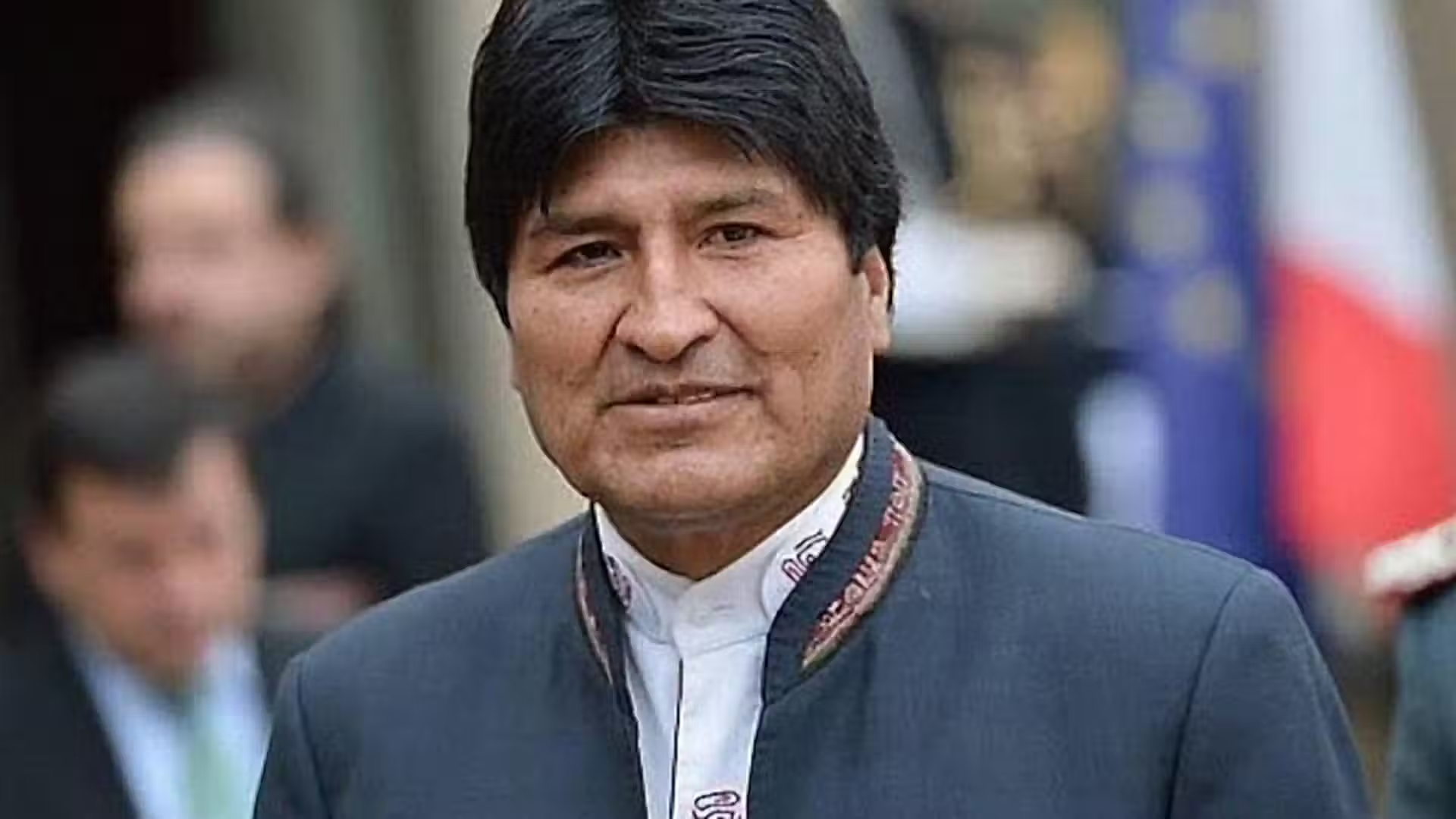
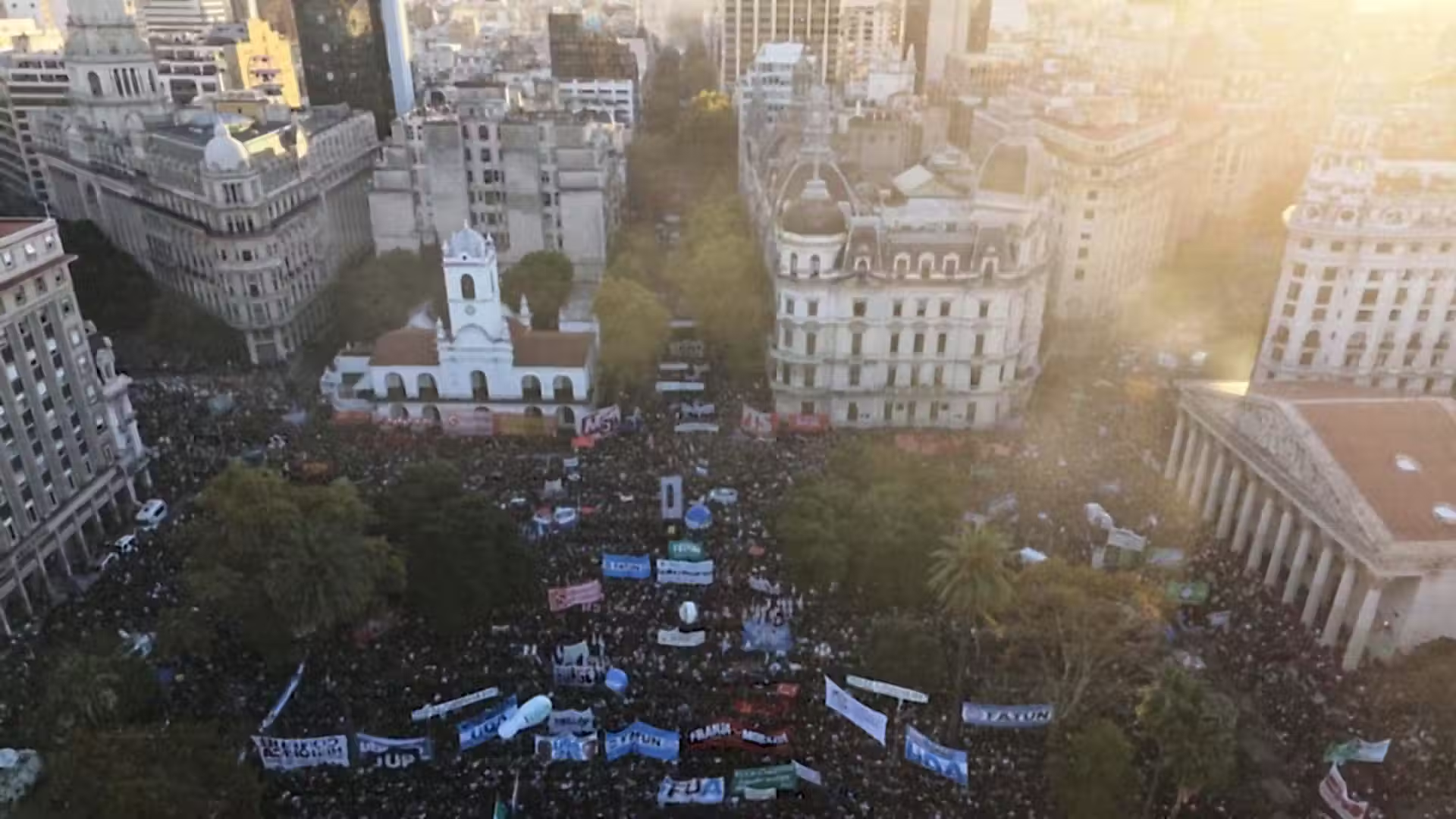
Bolivia entered its third week of civil unrest Monday as thousands of supporters of former president Evo Morales, indigenous groups, campesinos, and labor unions marched toward the capital's government palace demanding the resignation of President Rodrigo Paz.
The Central Obrera Boliviana, the country's largest labor federation, and allied peasant organizations led the march from El Alto toward central La Paz. Demonstrators chanted "Patria o muerte, venceremos!" as they advanced, with residents of El Alto joining the procession and calling for Paz to step down.
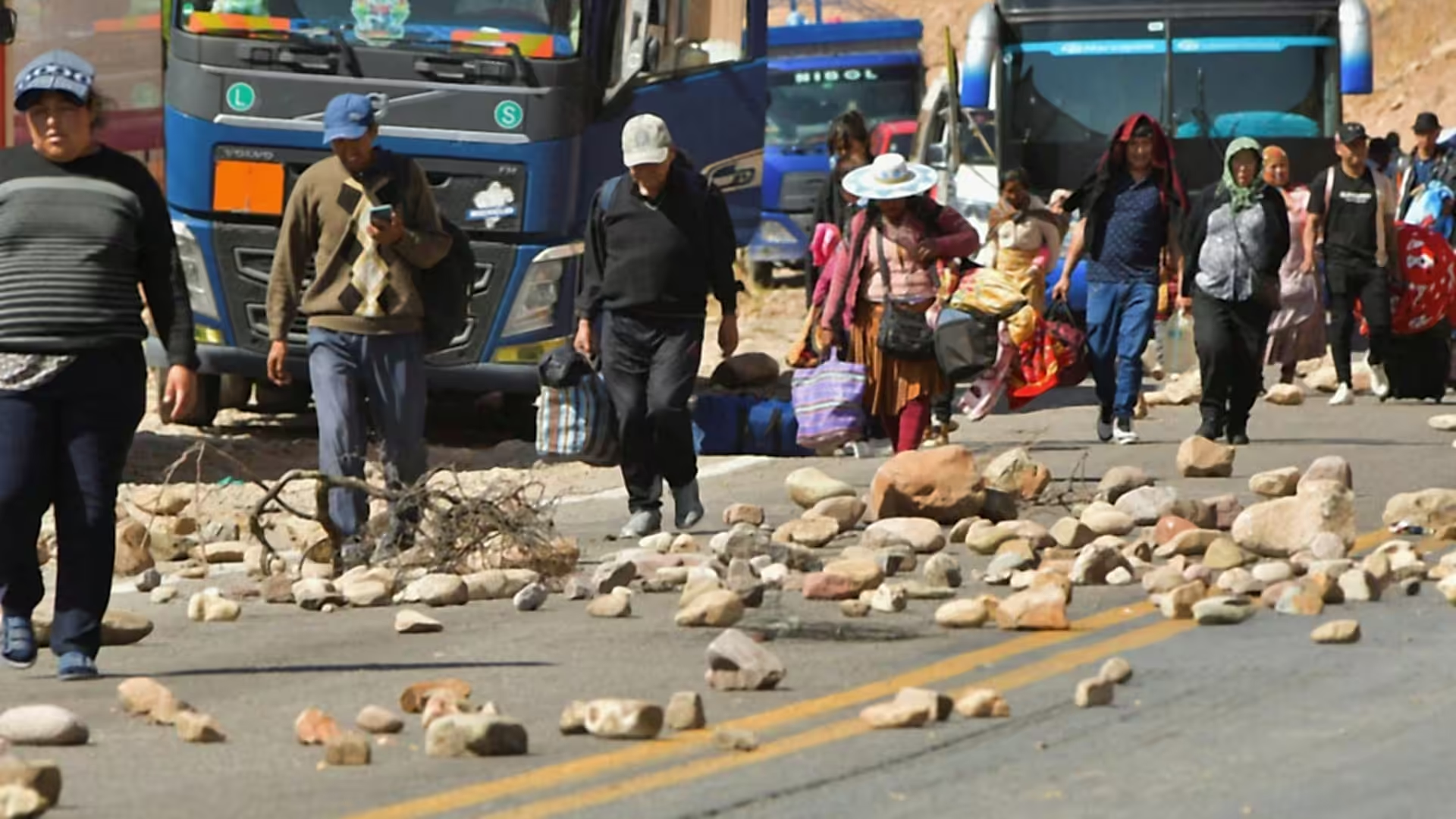
The protests, now spanning three weeks, are characterized by widespread road blockades across multiple regions. According to authorities, 22 blockade points are currently active, with 15 concentrated in the La Paz department alone. Additional blockades are maintained in Oruro, Cochabamba, and Santa Cruz, with indefinite blockades planned for the Chuquisaca department.
Supporters of Morales occupied the Chimoré airport in Cochabamba's department as part of the broader action. The demonstrations unite campesinos, workers, teachers, and indigenous groups opposing what they describe as ultraliberal government policies.
The protesters' demands center on several economic measures implemented by the current administration. They oppose the elimination of fuel subsidies, reject a comprehensive legislative package covering mining, investments, hydrocarbons, and green economy initiatives, and contest a partial constitutional reform aimed at increasing private investment in strategic sectors. Demonstrators also demand a 20 percent salary increase, oppose privatization of state enterprises, and reject Law 1720 on land reform, which permits conversion of small agricultural properties.
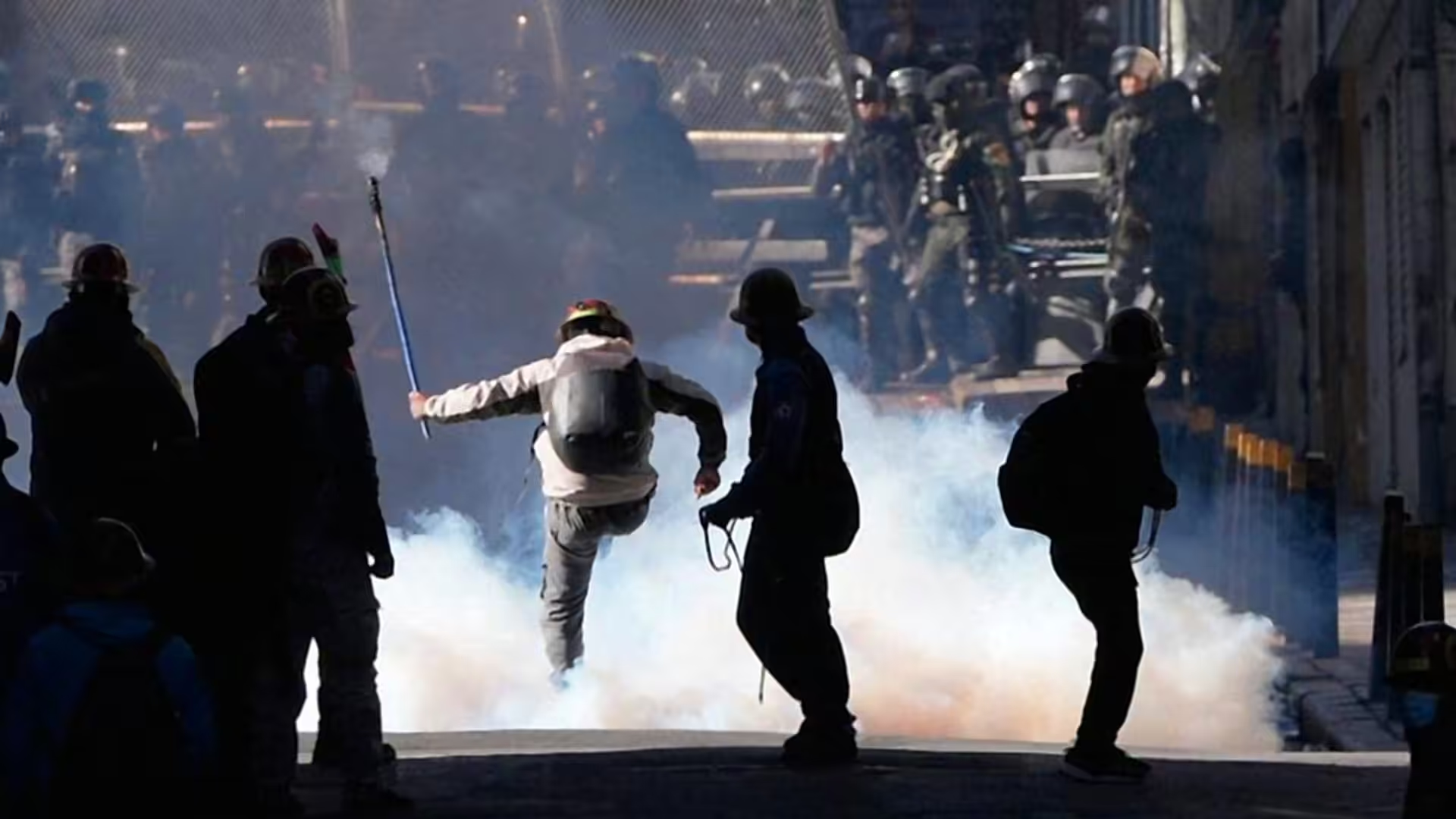
Security forces attempted to reopen blocked routes Sunday in an operation called Corredor Humanitario, deploying police and military personnel with non-lethal riot control measures. The operation lasted approximately 13 hours before the government ordered a withdrawal, with roads remaining blocked. The Ombudsman's Office reported 57 detainees and five injured during the operation, though other sources cited at least 47 detainees.
Overall, more than 100 arrests have been recorded since protests began, with 50 among demonstrators. Vice Interior Minister Hernán Paredes stated that marches would be permitted if peaceful, with authorities warning of action if crimes were committed.
The government has declined to negotiate with Morales supporters, according to presidential spokesman José Luis Gálvez. President Paz has been in office for approximately six months.
The United States State Department's Western Hemisphere Affairs Office issued a statement Sunday condemning "all actions intended to destabilize the democratically elected government" and expressing support for executive efforts to restore order. The statement noted that "disturbances and blockades have created a humanitarian crisis, causing shortages of medicines, food, and fuel" in Bolivia.
Colombian President Gustavo Petro offered to mediate in the conflict as blockades entered their second week.