UK authorizes imports of Russian oil products refined in third countries
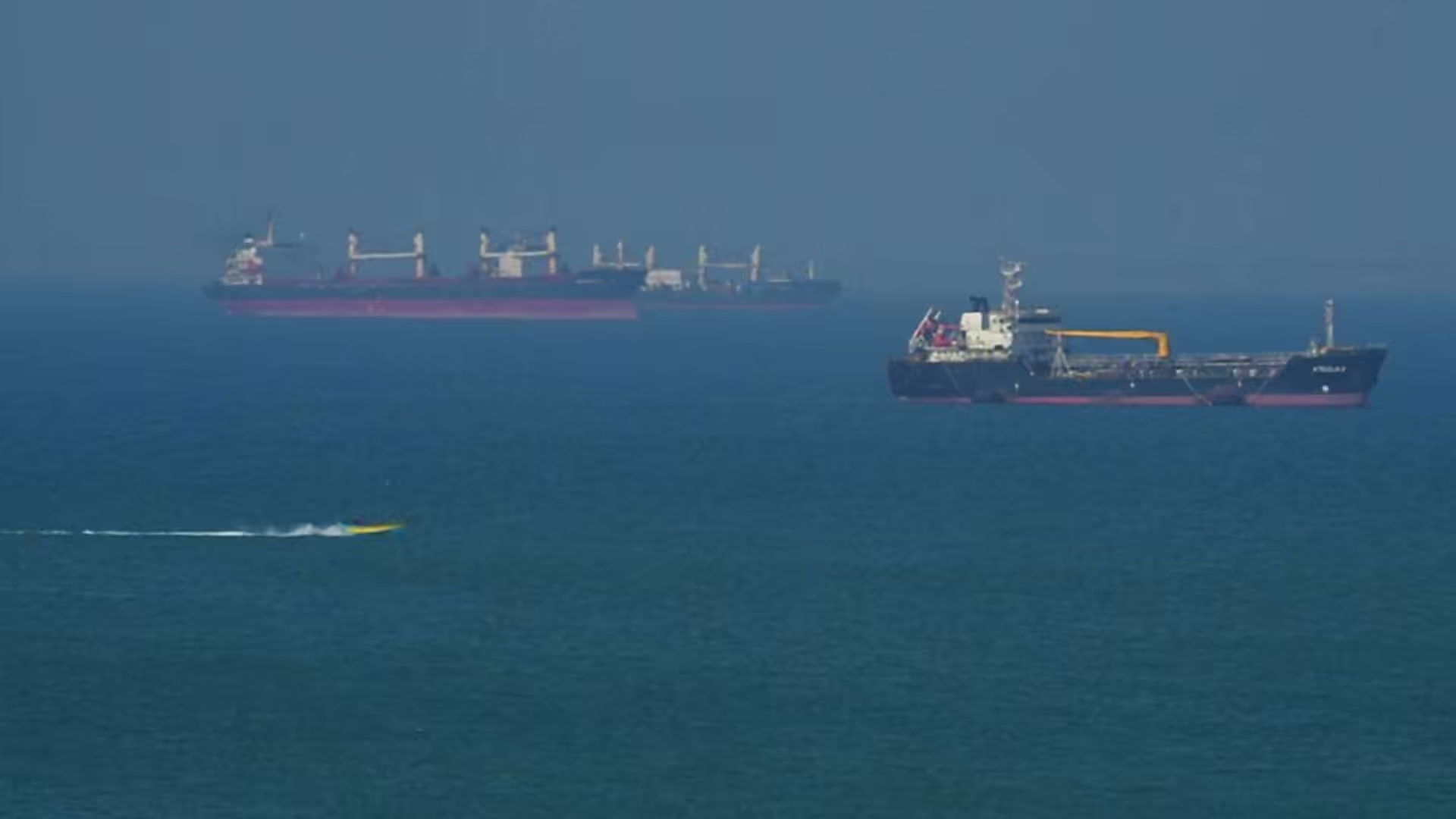
Britain eased sanctions on diesel and jet fuel derived from Russian crude oil processed abroad, effective May 20, amid fuel price pressures from regional conflict.
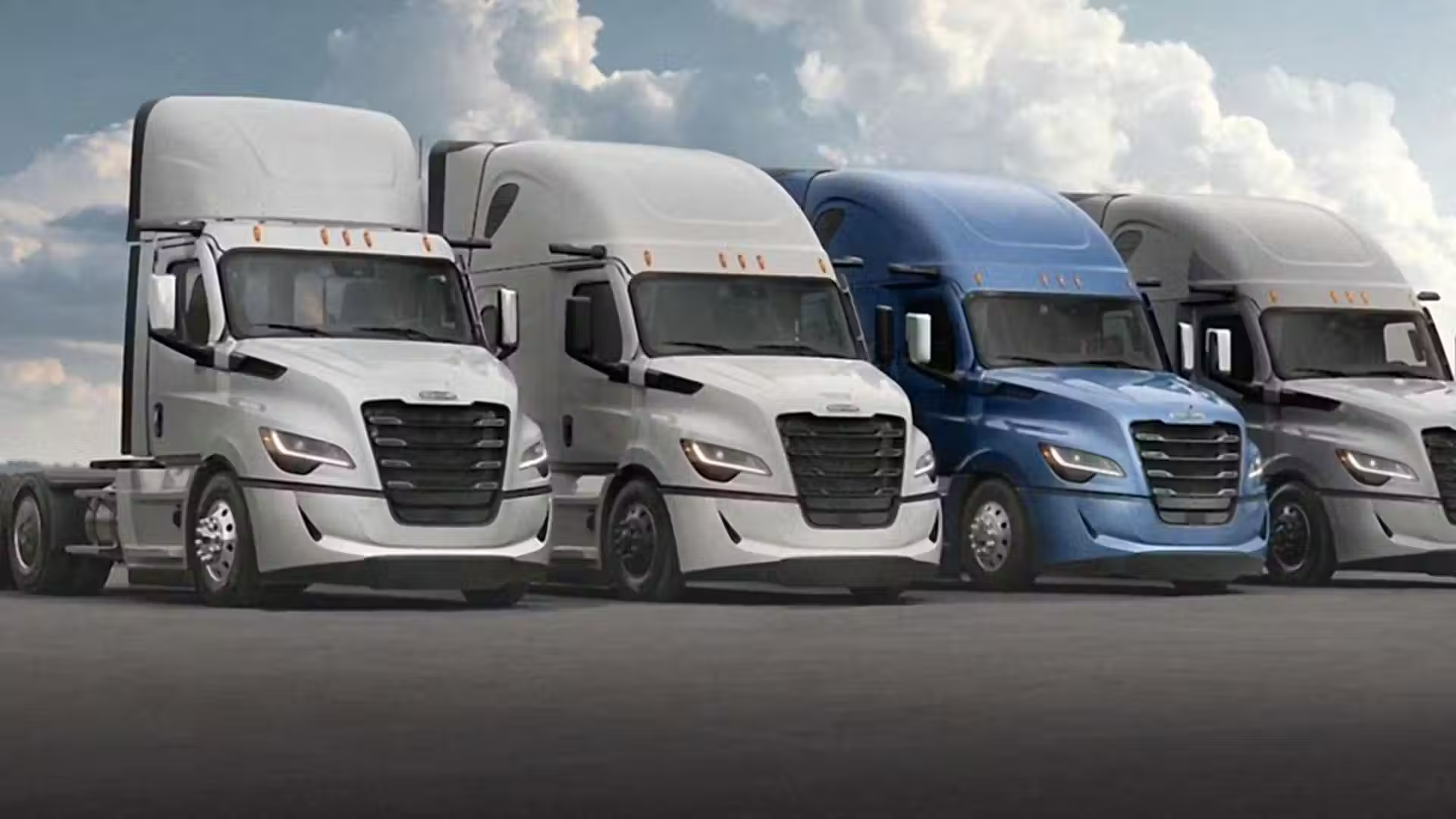
The Trump administration proposed scaling back Biden-era pollution standards for heavy-duty diesel trucks, citing technological and cost concerns.
12:09 AM
The Environmental Protection Agency on Thursday proposed rolling back emissions regulations for heavy-duty diesel trucks, citing what the Trump administration characterized as "unnecessary and unworkable" Biden-era environmental rules.
The proposal would scale back and postpone two key provisions designed to reduce pollution from heavy-duty vehicles, including buses and large trucks. According to the EPA, the changes address issues with emissions control technology for new trucks and penalties affecting older vehicles that fail to meet standards.
Under the proposal, the government requirement for engine warranties would be shortened to 100,000 miles from 450,000 miles. Additionally, a requirement that trucks meet emissions standards for their first 650,000 miles—an increase from the first 435,000 miles under previous rules—would be delayed for three years.
The administration estimated the proposal could save up to $6,000 per new truck and help truckers save roughly $12 billion overall. The EPA stated the changes would "lower costs, increase safety and keep our nation's food supply moving."
Britain eased sanctions on diesel and jet fuel derived from Russian crude oil processed abroad, effective May 20, amid fuel price pressures from regional conflict.
President Trump warned gasoline retailers to lower prices immediately, citing crude oil at $68 per barrel, and threatened serious consequences for non-compliance.
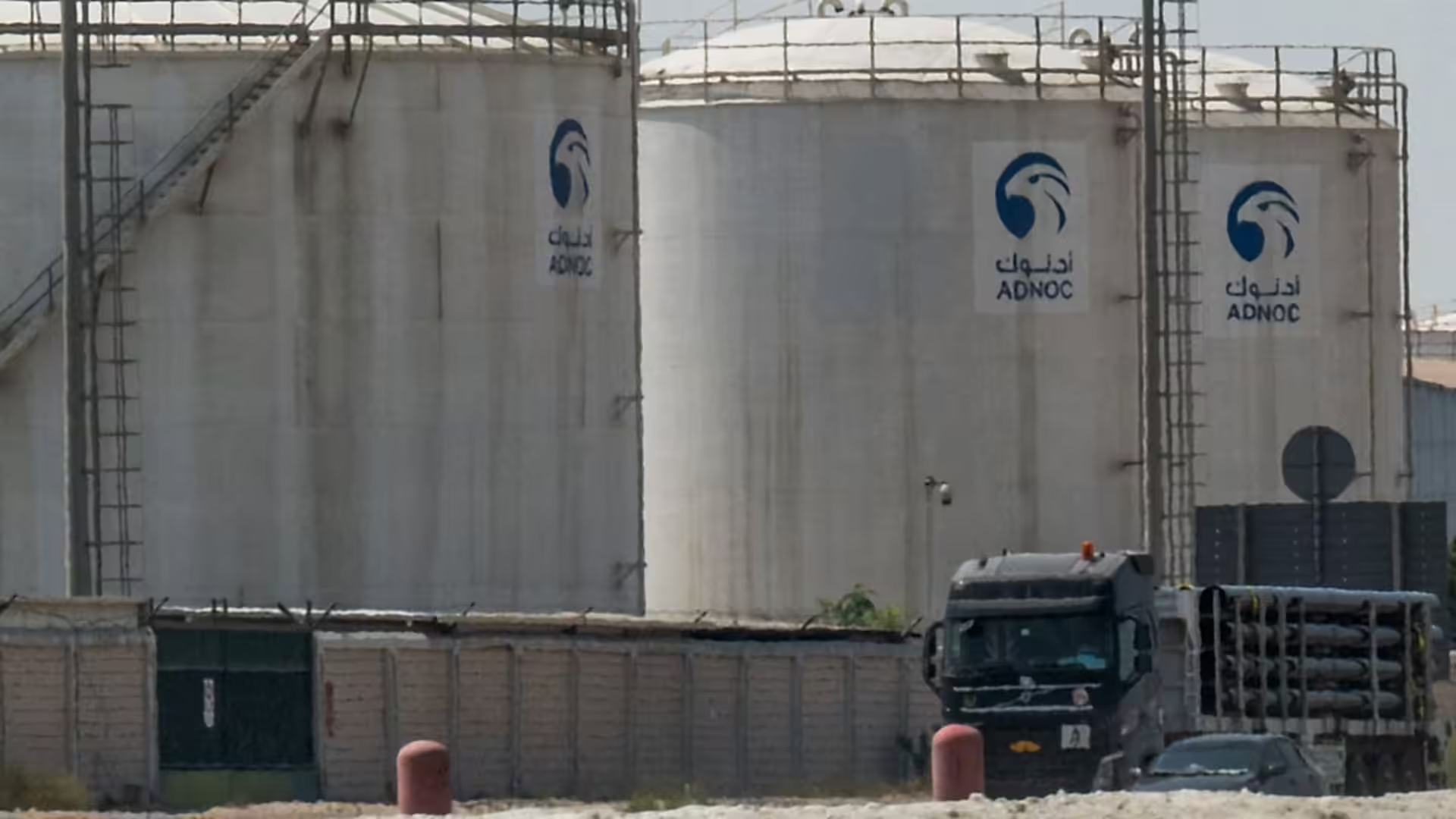
Abu Dhabi accelerates construction of West-East pipeline expected to double ADNOC export capacity amid Iran war disruptions.
President Trump threatened to raise tariffs on the European Union to "much higher levels" if the bloc does not approve and implement a trade agreement by July 4.
President Trump acknowledged higher fuel costs will persist for a period but said the conflict has had less economic impact than anticipated.
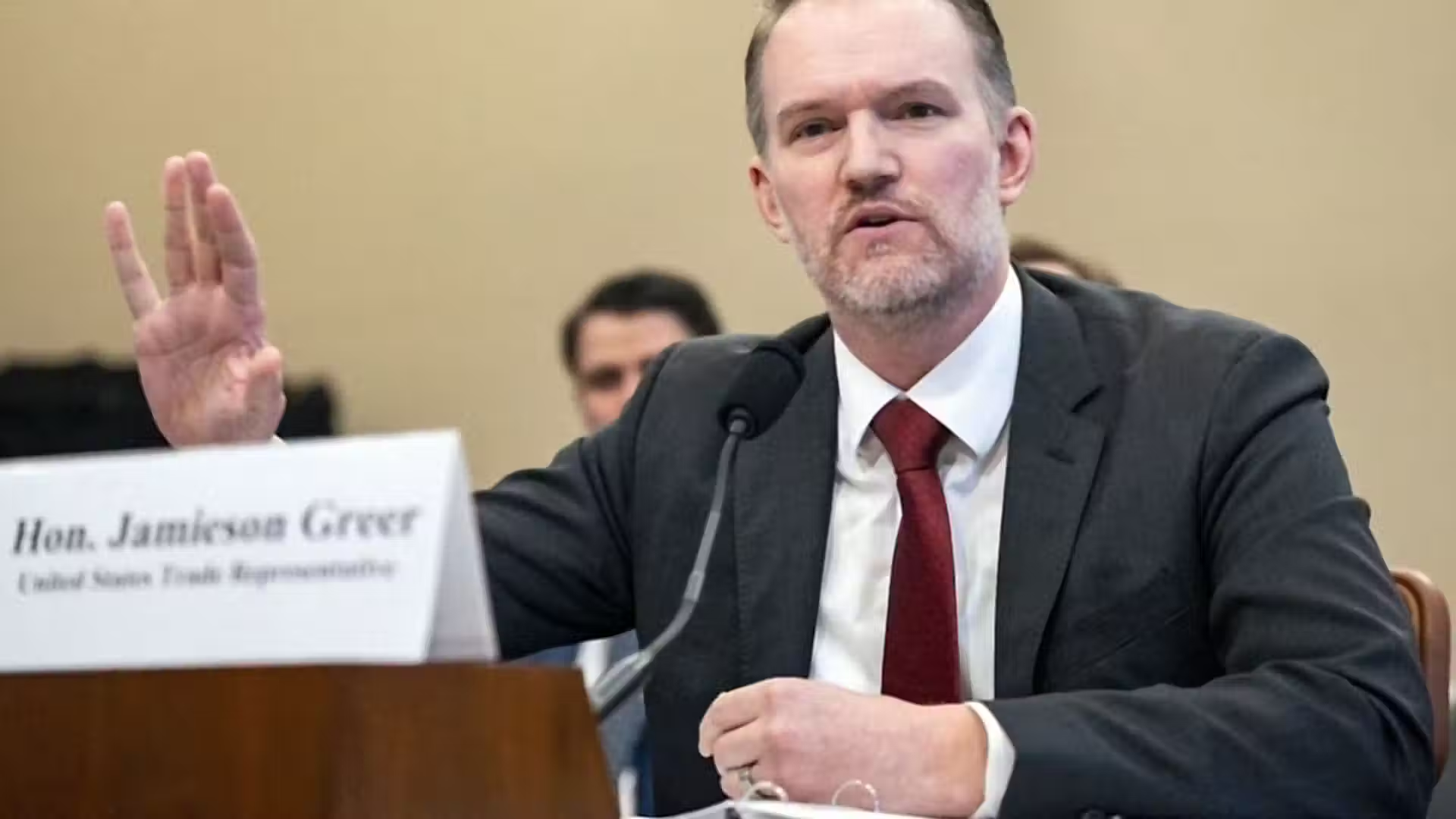
The U.S. Trade Representative concluded a Section 301 investigation, proposing 25% tariffs on most Brazilian imports while exempting coffee, beef, and aircraft.